Wandering Through Time in Luxor, Egypt’s Open-Air Museum
You know that feeling when you step somewhere and suddenly history feels alive? That’s Luxor. Walking through its temples and tombs, I wasn’t just visiting ruins—I was wandering through stories carved in stone. From the towering columns of Karnak to the quiet majesty of the Valley of the Kings, every turn revealed something breathtaking. This isn’t just sightseeing; it’s a journey into the heart of ancient Egyptian culture, where every monument whispers secrets from 3,000 years ago. The air here carries the weight of centuries, not in silence, but in subtle echoes—of processions, prayers, and the steady rhythm of life along the Nile. Luxor doesn’t merely display history; it lives it.
Stepping Into the Past: Luxor as a Living Museum
Luxor is not a city frozen in time, but one where time flows through every street, field, and stone pathway. Built on the ancient city of Thebes, once the spiritual and political heart of New Kingdom Egypt, Luxor is often described as the world’s greatest open-air museum. Unlike archaeological sites sealed behind glass or roped off from public access, here, history is part of daily life. Farmers guide their water buffalo through fields that border the Temple of Medinet Habu. Children kick soccer balls near the Colossi of Memnon, two massive stone statues that have stood sentinel for over 3,400 years. The past is not preserved in isolation—it is interwoven with the present in a way that feels organic and deeply respectful.
The city is divided by the Nile, with each bank serving a symbolic purpose rooted in ancient Egyptian cosmology. The east bank, where the sun rises, was associated with life, renewal, and the realm of the gods. It hosts some of the most impressive religious structures in human history, including the Karnak Temple Complex and Luxor Temple. These were not merely places of worship but centers of economic, political, and spiritual power. The west bank, where the sun sets, was reserved for the afterlife. It is home to vast necropolises like the Valley of the Kings, the Valley of the Queens, and the mortuary temples of pharaohs and queens. This geographical duality reflects a worldview in which life and death were not opposites, but parts of a continuous cycle.
What makes Luxor unique among historical destinations is the accessibility and immediacy of its monuments. In many ancient cities, ruins are fragmented or buried beneath modern development. In Luxor, the temples rise boldly from the urban landscape, their sandstone pylons visible from residential rooftops. A local baker might knead dough in the shadow of a 3,000-year-old obelisk. A schoolteacher might walk past a sphinx-lined avenue on her way to work. This coexistence fosters a sense of continuity, as if the civilization that built these wonders never fully vanished, but evolved alongside its legacy.
The East Bank: Where Gods and Pharaohs Met
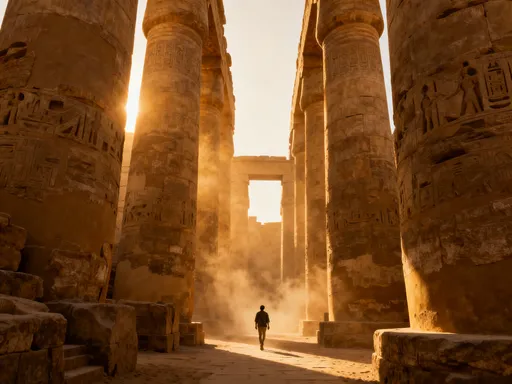
The east bank of the Nile is where the divine and the royal once converged in grand ceremonies and rituals. At the heart of this sacred landscape is the Karnak Temple Complex, a sprawling network of temples, halls, and sanctuaries that took over 1,000 years to build. Covering more than 200 acres, Karnak is not a single temple but a living record of Egyptian religious evolution, with contributions from more than 30 pharaohs. Walking through its Great Hypostyle Hall, visitors are dwarfed by 134 towering columns, some reaching over 20 meters high. The central aisles are taller than the surrounding ones, allowing light to filter through clerestory windows, casting shifting patterns on the carved walls. The effect is both awe-inspiring and humbling—a space designed not for human comfort, but for divine presence.
Each column is covered in hieroglyphs and painted reliefs depicting gods, pharaohs, and sacred rituals. Though much of the original color has faded, traces of red, blue, and gold remain, offering a glimpse into how vivid and vibrant these spaces once were. The air inside is cool and still, carrying the faint scent of stone and dust. It is easy to imagine the sound of chanting priests, the clinking of ritual vessels, and the rustle of linen robes as processions moved through the halls during festivals like Opet, when the statues of Amun, Mut, and Khonsu were carried from Karnak to Luxor Temple in a grand celebration of divine renewal.
Connecting Karnak to Luxor Temple is the 2.7-kilometer Avenue of Sphinxes, once lined with over 1,000 ram-headed statues symbolizing the god Amun. Though many were buried over centuries, extensive restoration efforts have uncovered large sections, allowing visitors to walk part of this ancient processional route. At night, Luxor Temple comes alive with a sound-and-light show that narrates its history through dramatic lighting and storytelling. While some may find such modern interpretations theatrical, they serve an important purpose: making ancient myths accessible to contemporary audiences. The temple itself, partially illuminated against the dark sky, seems to glow with an inner life, as if remembering its role as a beacon of spiritual power.
The West Bank: Journey to the Afterlife
To visit the west bank is to embark on a symbolic journey into the realm of the dead. Most travelers cross the Nile by felucca, a traditional wooden sailboat that glides silently over the water. As the sun rises, the golden light spills over the cliffs of the Theban Hills, revealing the entrances to hidden tombs. This was the domain of Osiris, god of the afterlife, and the final resting place of New Kingdom pharaohs, including Tutankhamun, Seti I, and Ramses II. The Valley of the Kings contains more than 60 known tombs, carved deep into the limestone rock to protect the buried treasures and mummified remains of Egypt’s rulers.
Descending into a tomb is a profound experience. The air grows cooler, and the silence deepens. The walls, once hidden from daylight, are covered in intricate paintings depicting the deceased’s journey through the underworld. Scenes from the Book of the Dead guide the soul past demons, through trials, and into the Hall of Truth, where the heart is weighed against the feather of Ma’at, the goddess of truth and justice. These were not merely artistic expressions but functional guides meant to ensure safe passage into eternity. The colors—ochre, lapis blue, and deep red—remain striking despite their age, preserved by the tombs’ sealed environments.
While tourism has made these sites accessible, it also brings challenges. High visitor numbers can increase humidity and damage delicate pigments. For this reason, only a limited number of tombs are open at any time, and photography is often prohibited to prevent flash damage. Some tombs, like that of Tutankhamun, have replicas to preserve the original. Visitors are encouraged to move quietly, speak softly, and treat these spaces with reverence. They are not museums in the modern sense, but sacred burial places that still hold spiritual significance for many Egyptians.
Nearby, the mortuary temple of Hatshepsut rises from the desert in a series of elegant terraces, backed by towering cliffs. One of the few female pharaohs, Hatshepsut ruled during a time of peace and prosperity, commissioning extensive building projects and trade expeditions. Her temple, designed by the architect Senenmut, is a masterpiece of symmetry and integration with the natural landscape. Unlike the dark, inward-focused tombs, this temple faces east, welcoming the morning sun as a symbol of rebirth. Statues of the queen in male pharaonic attire line the colonnades, reflecting the complex ways in which power and identity were expressed in ancient Egypt.
Beyond the Monuments: Daily Life and Local Culture
While the ancient sites draw international visitors, Luxor’s soul lies in its people and everyday rhythms. The city has a population of around 200,000, many of whom are deeply connected to the tourism industry. But beyond the guided tours and souvenir shops, life unfolds in a way that feels both modern and timeless. In the morning, vendors set up stalls in the souk near Luxor Temple, arranging hand-painted papyrus scrolls, alabaster vases, and bundles of cumin, coriander, and hibiscus. The scent of spices mingles with the smell of fresh bread from nearby ovens. Bargaining is expected, but it is rarely aggressive—more a ritual of connection, often ending in shared laughter and a cup of sweet mint tea.
Cafés dot the city, their outdoor seating shaded by palm fronds. Men gather in the late afternoon, sipping tea, smoking shisha, and discussing everything from football to family news. Women in colorful scarves carry baskets of vegetables from the market, while children race home from school, their backpacks bouncing with every step. In public gardens, families spread blankets for picnics, and elders sit on benches, watching the world go by. The call to prayer echoes from minarets five times a day, a melodic reminder of the city’s Islamic heritage, which exists in harmony with its ancient past.
Many locals work as tour guides, boat operators, or artisans, passing down knowledge and skills through generations. A young man guiding tourists through Karnak may have learned the stories from his grandfather. A woman painting hieroglyphs on papyrus may follow techniques passed down in her family for decades. This continuity strengthens the cultural fabric of the city, ensuring that tourism does not erase local identity but supports it. For visitors, this means opportunities for genuine interaction—asking questions, sharing stories, and gaining insights that no guidebook can provide.
Cultural Activities That Bring History to Life
To truly connect with Luxor, it helps to go beyond passive observation and engage in experiences that reflect living traditions. One of the most memorable is attending a traditional Nubian music performance. The Nubian people, originally from southern Egypt and northern Sudan, have a rich musical heritage characterized by rhythmic drumming, call-and-response singing, and vibrant dance. These performances, often held in cultural centers or private homes, are joyful and inclusive, inviting guests to clap, sing, and even dance. The music carries stories of the Nile, farming, and community—themes that resonate across generations.
Another meaningful activity is visiting a local workshop where artisans craft goods using age-old techniques. In a small courtyard, a craftsman might demonstrate how to shape alabaster into a smooth bowl, explaining how the stone was prized by pharaohs for its beauty and durability. Elsewhere, a papyrus maker shows how the pith of the papyrus plant is sliced, pressed, and dried to create writing surfaces used for thousands of years. These demonstrations are not staged for tourists alone; they are part of a living craft tradition that continues to thrive.
Culinary experiences also offer a deep connection to culture. Some guesthouses and cultural centers offer cooking classes featuring traditional Egyptian dishes like koshari (a mix of rice, lentils, pasta, and tomato sauce), molokhia (a green leafy stew served with rice or bread), and umm ali (a sweet bread pudding). Preparing these dishes with local hosts allows visitors to understand the flavors and ingredients that have sustained families for generations. Eating together at the end of the class fosters warmth and friendship, turning a simple meal into a shared celebration.
Evening storytelling sessions, often led by knowledgeable local guides, provide another way to experience history. Held near temple ruins or in quiet courtyards, these sessions blend myth, history, and humor. A guide might recount the tale of how Osiris was murdered by his brother Set, only to be resurrected by Isis, explaining how this story shaped Egyptian beliefs about death and rebirth. The storytelling is never dry or academic—it is vivid, personal, and deeply engaging. These moments transform ancient texts into living narratives, making them relevant and relatable.
Smart Travel Tips for a Meaningful Visit
To make the most of a visit to Luxor, thoughtful planning enhances both comfort and understanding. The best time to visit is between October and April, when temperatures are milder. Even then, the sun can be intense, so lightweight, loose-fitting clothing, a wide-brimmed hat, and sunscreen are essential. Staying hydrated is crucial—carry water at all times, and take breaks in shaded areas. Comfortable walking shoes are a must, as days often involve several hours of walking on uneven stone surfaces.
Visiting major sites early in the morning not only avoids the heat but also the crowds. Karnak Temple is especially magical at sunrise, when the light bathes the columns in a soft golden glow. Similarly, the west bank is best explored in the early hours, before tour buses arrive. Hiring a licensed guide ensures accurate information and respectful interpretation of cultural and religious contexts. These professionals are trained to explain complex hieroglyphs, historical timelines, and religious beliefs in clear, engaging ways.
While the Valley of the Kings and Hatshepsut’s Temple are must-sees, consider including lesser-known sites like the Tombs of the Nobles or Medinet Habu. The tombs of nobles, though less ornate than royal ones, offer intimate glimpses into daily life, with scenes of farming, feasting, and family life. Medinet Habu, the mortuary temple of Ramses III, features well-preserved reliefs depicting military victories and religious rituals. These sites are often quieter, allowing for more contemplative exploration.
Dressing modestly—covering shoulders and knees—is both respectful and practical in this conservative region. Many temples and mosques require this, and it helps visitors blend in with local customs. Supporting eco-conscious and community-based tours contributes to sustainable tourism, ensuring that Luxor’s heritage is preserved and that local communities benefit directly from tourism. Opting for felucca rides, walking tours, or bicycle rentals reduces environmental impact while offering a slower, more immersive way to experience the city.
A two- to three-day stay is ideal. This allows time to visit key sites without rushing, to enjoy local culture, and to reflect on the experience. Some travelers extend their stay to take a Nile cruise, which offers a scenic and relaxing way to travel between Luxor and Aswan, with stops at temples like Edfu and Kom Ombo along the way.
Why Luxor Stays With You Long After You Leave
Luxor is not a destination that fades from memory. Its impact is quiet but lasting, like the slow erosion of stone by wind and time. What lingers are not just the images of grand temples or golden tombs, but the feeling of being in a place where history is not confined to books, but lived and breathed. It is in the way a guide traces a hieroglyph with his finger and says, 'This tells the story of a king, but also of a father, a son, a man who loved his country.' It is in the moment you stand in a 3,000-year-old hall and realize that people just like you once stood there, wondering about life, death, and what comes after.
The monuments of Luxor are not relics of a dead civilization, but enduring symbols of human creativity, faith, and resilience. They speak of a society that sought meaning in the cosmos, honored its ancestors, and built for eternity. To walk through Luxor is to walk through layers of time, where every stone has a story and every shadow holds a memory. It invites reflection on our own lives—what we value, what we leave behind, and how we connect to those who came before us.
More than any photograph or souvenir, what travelers carry home is a sense of awe and humility. Luxor does not impress with spectacle alone; it transforms through depth. It reminds us that culture is not static, but a living thread woven through generations. And in a world that often feels fast and fleeting, Luxor stands as a testament to the enduring power of human spirit—one that continues to inspire, teach, and captivate all who wander through its timeless streets.