You Won’t Believe What’s Hiding in Langkawi’s Art Scene
Langkawi isn’t just beaches and jungles—its soul pulses through vibrant street murals, local craftsmanship, and living cultural traditions. I went looking for relaxation but found a creative explosion I never expected. From village-born sculptures to open-air galleries shaped by nature, art here isn’t confined to museums. This is culture in motion, rooted in Malay heritage yet speaking a global language. If you think Langkawi is only about island escapes, wait until you see its artistic heartbeat.
Beyond the Postcard: Discovering Langkawi’s Creative Pulse
For decades, Langkawi has been celebrated as a tropical paradise—a cluster of 99 emerald islands draped in rainforest and lapped by the Andaman Sea. Travelers have long come for the beaches, the cable car rides over jungle canopies, and the serenity of island life. But beneath this postcard-perfect surface lies a quieter, more profound transformation. In recent years, Langkawi has quietly evolved into a cultural hotspot, where art and tradition are not preserved behind glass but lived, shared, and celebrated in everyday spaces. This evolution is not loud or commercialized; it unfolds in alleyways, village squares, and seaside paths where creativity thrives in unexpected forms.
The island’s artistic pulse has become a subtle yet powerful force shaping the visitor experience. Where once tourism focused solely on leisure, it now increasingly embraces storytelling, heritage, and hands-on engagement. This shift reflects a broader movement across Southeast Asia, where destinations are reclaiming their cultural narratives and inviting travelers to go deeper than sunbathing and shopping. In Langkawi, this journey often begins not in a museum, but by chance—perhaps while walking through Kuah Town’s quieter streets or stopping at a roadside stall adorned with hand-painted signs and intricate wood carvings.
One such moment changed my perception of the island entirely. While searching for a local café, I turned down a narrow lane and came face to face with a towering mural of a fisherman casting a net beneath a golden sunset. The image was rendered in bold, expressive strokes, yet every detail—from the weave of the net to the reflection in the water—felt deeply authentic. What struck me most was not just the artistry, but the story it told: one of resilience, tradition, and harmony with nature. That single mural became a doorway, leading me to seek out more of Langkawi’s hidden creative expressions, each more compelling than the last.
Street Art with a Story: Murals That Speak Local Truths
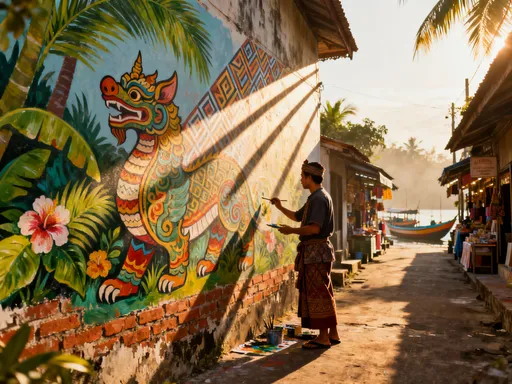
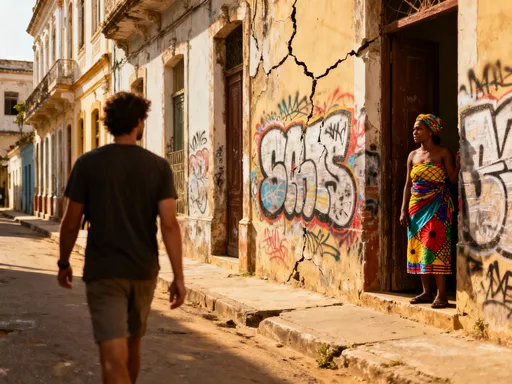
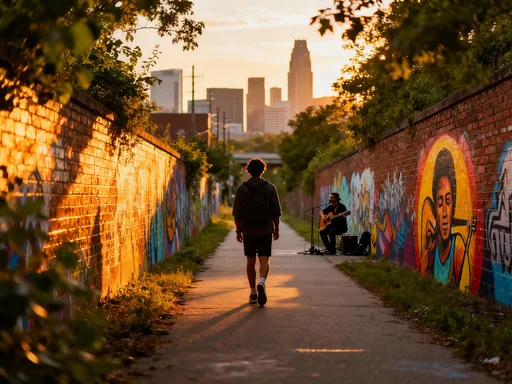
Langkawi’s street art is not about graffiti or rebellion—it is storytelling in its purest form. Scattered across Kuah Town and the surrounding villages, these murals serve as visual chronicles of island life, capturing centuries-old traditions, ecological wisdom, and the quiet dignity of everyday work. Unlike generic tourist murals found in other destinations, Langkawi’s wall paintings are deeply rooted in local identity. They depict scenes of rice planting, traditional boat building, and children flying kites—moments that resonate with residents and invite visitors into a more intimate understanding of Malay culture.
One of the most striking clusters of murals can be found near the central market in Kuah. Here, a series of large-scale paintings wraps around low-rise buildings, transforming an ordinary commercial area into an open-air gallery. One mural shows a family preparing for Hari Raya, the festive celebration marking the end of Ramadan. The attention to detail—the patterned sarongs, the steaming pots of rendang, the children’s eager faces—creates a sense of warmth and continuity. Another piece illustrates the legend of Mahsuri, a central figure in Langkawi’s folklore, whose tragic story of injustice and curse is said to have shaped the island’s history for generations. These murals do more than decorate; they educate and preserve.
The artists behind these works are often local or regional talents supported by community-driven initiatives. Programs like the Langkawi Art Trail and collaborations with Malaysian art schools have provided platforms for emerging creators to contribute to the island’s visual landscape. Many of the murals are created during cultural festivals or public art weeks, where artists work alongside residents to co-design pieces that reflect shared values. This collaborative spirit ensures authenticity and prevents the art from becoming mere spectacle. Instead, each mural becomes a point of pride, a conversation starter, and a quiet invitation to look beyond the surface.
Craftsmanship Alive: From Songket Weaving to Wood Carving
While murals bring stories to the streets, traditional craftsmanship keeps Langkawi’s cultural threads tightly woven. In a world increasingly dominated by mass production, the island remains a sanctuary for handmade artistry. The rhythmic clack of looms, the scent of sawdust in woodcarver workshops, and the vibrant dyes used in batik printing are all testaments to skills passed down through generations. These crafts are not relics of the past but living traditions, sustained by artisans who view their work as both heritage and livelihood.
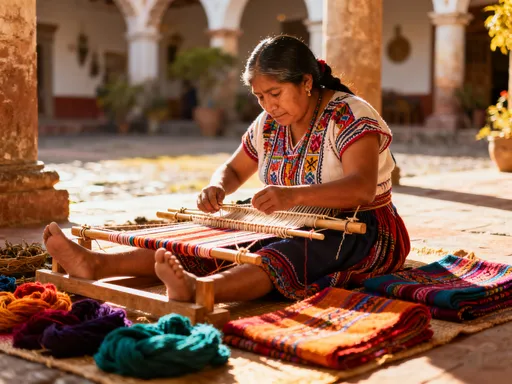
Among the most revered of these crafts is songket weaving, a luxurious textile art that involves interweaving gold or silver threads into silk or cotton fabric. Traditionally worn during weddings and royal ceremonies, songket is a symbol of prestige and cultural pride. Visitors can witness this intricate process firsthand at small workshops in villages like Taman Putra and Ulu Melaka. Watching a weaver’s hands move with precision across the loom is a meditative experience—one that reveals the patience and mastery required to create even a small section of fabric. The patterns themselves often carry meaning: geometric motifs may represent unity, while floral designs symbolize growth and prosperity.
Equally captivating is the art of batik, where wax-resist dyeing produces rich, patterned textiles. Unlike factory-made imitations, authentic Langkawi batik is hand-drawn, with each piece taking days or even weeks to complete. Some artisans offer short workshops where guests can try their hand at designing and dyeing a small cloth, making for a deeply personal souvenir. Wood carving, too, remains vibrant, particularly in the creation of traditional Malay houses, furniture, and decorative panels. The carvings often feature floral and geometric patterns inspired by nature, reflecting a deep respect for the island’s lush environment.
For travelers seeking authentic handmade souvenirs, the key is knowing where to look. Markets like the Langkawi Night Market and small cooperatives near Pantai Cenang offer fairly priced, locally made items. Avoid shops that sell imported crafts labeled as “local.” Instead, seek out artisan hubs where you can meet the makers, learn their stories, and support their work directly. This kind of mindful shopping not only ensures quality but also contributes to the preservation of these irreplaceable traditions.
Island Icons: Sculptures That Define Langkawi’s Landscape
No symbol is more iconic to Langkawi than the eagle. The island’s name is derived from the Malay word *kawi*, meaning reddish-brown, and *helang*, meaning eagle—thus, “Red Eagle Island.” This connection is immortalized in the majestic Eagle Monument at Pantai Cenang, a sweeping steel sculpture with wings outstretched over the coastline. Standing over 12 meters tall, the monument is not just a photo opportunity; it is a powerful emblem of freedom, strength, and the island’s natural identity. Every day, visitors gather beneath it, not only to capture its grandeur but to feel a sense of uplift—both literal and metaphorical.
Beyond this central icon, Langkawi is dotted with smaller sculptures that blend seamlessly into the landscape. Along the Kuah waterfront, bronze figures of fishermen and children playing with crabs evoke daily life with quiet charm. In parks and roundabouts, stone carvings depict traditional boats and mythical creatures from Malay folklore. These pieces are not isolated artworks but integrated elements of urban planning, designed to enhance public spaces while honoring cultural memory. Their placement—often near community centers, markets, or coastal paths—ensures they are encountered naturally, becoming part of the island’s rhythm rather than tourist distractions.
What makes these sculptures particularly meaningful is their relationship with nature. Many are crafted from local materials like granite, timber, or recycled metal, and their designs respond to the surrounding environment. A sculpture near the mangroves might mimic the curve of a heron’s neck; another along a jungle trail could resemble the unfurling of a fern. This harmony reflects a broader philosophy in Langkawi’s public art: that beauty should not dominate nature but complement it. As a UNESCO Global Geopark, the island is committed to sustainable development, and its art follows suit, serving as both cultural expression and environmental statement.
Cultural Villages: Immersive Experiences Beyond the Surface
For those seeking deeper connection, Langkawi’s cultural villages offer immersive experiences that go far beyond observation. These are not staged performances for tourists but living spaces where traditions are practiced with care and continuity. Places like the Oriental Village complex and smaller community-run centers provide opportunities to engage directly with Malay heritage—from making traditional kites to weaving mats from pandanus leaves. These activities are not simplified for entertainment; they are taught with respect for their origins and significance.
One of the most memorable experiences I encountered was a workshop on *wau bulan*, the crescent moon kite, a national treasure of Malaysian craftsmanship. These kites, once used to signal the start of the harvest season, are known for their elaborate shapes, vibrant colors, and intricate paper cuttings. Under the guidance of a master artisan, I learned how to assemble the bamboo frame, stretch the silk covering, and apply the decorative motifs. The process was challenging but deeply satisfying, a reminder that true artistry lies in patience and precision. More importantly, it opened a conversation about the cultural values embedded in the craft—harmony, balance, and the connection between earth and sky.
Other villages offer lessons in shadow puppetry (*wayang kulit*), where leather figures are manipulated behind a backlit screen to tell ancient epics. While the full performances can last hours, abbreviated sessions allow visitors to try their hand at puppet handling and understand the moral and spiritual themes of the stories. Similarly, mat weaving workshops reveal how everyday objects are transformed into art through skill and intention. These experiences matter because they keep traditions alive, especially among younger generations who might otherwise drift toward modern, globalized lifestyles.
By participating, travelers do more than learn a new skill—they become temporary custodians of culture. This exchange fosters mutual respect and understanding, breaking down the barrier between “visitor” and “local.” It also supports community-based tourism, ensuring that economic benefits stay within the villages rather than being siphoned off by large resorts or foreign operators. In this way, cultural tourism becomes not just enriching but ethical.
Art Meets Nature: Installations That Harmonize with the Environment
In a place as ecologically rich as Langkawi, art cannot ignore nature—it must respond to it. A growing number of artists and collectives are creating installations that blend creativity with environmental consciousness, using natural or recycled materials to craft pieces that speak to the island’s ecological identity. These works are often temporary, designed to decay gracefully or be repurposed, reflecting a philosophy of impermanence and sustainability.
One notable example is a series of bamboo installations created along the coastal paths of Datai Bay. Crafted from locally sourced bamboo and bound with natural fibers, these structures resemble organic sculptures—some like waves, others like nests or spirals. They were built in collaboration with environmental educators and serve as both art and educational tools, drawing attention to the importance of mangrove conservation and coastal resilience. Visitors are encouraged to walk among them, touch them, and photograph them, but also to reflect on the fragility of the ecosystems they represent.
Another project, developed during a Langkawi Eco-Art Festival, featured a beachside exhibit made entirely from recycled plastic collected from the shoreline. Artists transformed bottles, nets, and containers into a large-scale sculpture of a sea turtle, a creature revered in local mythology and threatened by pollution. The piece stood for several weeks before being dismantled and the materials properly recycled, sending a powerful message about consumption and responsibility. Such projects align with Langkawi’s status as a UNESCO Global Geopark, which emphasizes the protection of geological and ecological heritage.
These nature-integrated artworks do more than beautify—they provoke thought. They invite viewers to consider their relationship with the environment and their role in preserving it. For families visiting the island, these installations offer gentle but meaningful ways to teach children about sustainability. For artists, they represent a commitment to creating with conscience. And for the island itself, they affirm that culture and nature are not separate realms but deeply interconnected.
Planning Your Cultural Journey: When, Where, and How to Engage
To fully experience Langkawi’s artistic depth, a bit of planning goes a long way. While the island’s natural beauty is accessible year-round, certain times offer richer cultural programming. The best period to visit for art and heritage events is between October and December, when the Langkawi International Maritime and Aerospace Exhibition (LIMA) includes cultural days featuring traditional performances, craft fairs, and artist talks. Additionally, Hari Raya, Chinese New Year, and Deepavali bring unique celebrations to the island, with special decorations, food, and community activities that showcase its multicultural fabric.
Transportation within Langkawi is relatively straightforward, with rental cars, scooters, and taxis widely available. For those focusing on cultural sites, a rental car offers the most flexibility, allowing visits to remote villages and coastal art installations at your own pace. Public buses connect major towns, but schedules can be limited, so planning ahead is advisable. Guided cultural tours are also offered by local operators and often include visits to artisan workshops, mural trails, and heritage villages with expert commentary.
When engaging with art and culture, a few respectful practices make a difference. Always ask permission before photographing people, especially during ceremonies or in private workshops. Support local creators by purchasing directly from them or through certified cooperatives. Avoid touching sculptures or installations unless invited to do so, and follow any posted guidelines. Most importantly, approach each experience with curiosity and humility—these traditions are not performances but lived realities.
Building a balanced itinerary is key. Start with a few days of relaxation to acclimate, then gradually introduce cultural activities. Dedicate one day to exploring Kuah’s murals and craft markets, another to a village workshop, and a third to nature-integrated art and sculpture trails. Allow time for spontaneous discoveries—sometimes the most meaningful moments happen off the itinerary, like stumbling upon a roadside batik stall or joining a community festival by chance.
Conclusion
Langkawi’s true magic lies not just in its scenery but in its stories—painted, carved, woven, and performed. By embracing its art and culture, travelers gain more than memories; they become part of a living tradition. The island invites you not only to see but to feel, connect, and remember. Every mural, every handwoven cloth, every sculpture in the breeze carries a whisper of history, identity, and resilience. These are not static exhibits but dynamic expressions of a people deeply rooted in their land and heritage.
This cultural richness transforms the idea of a tropical getaway. It becomes not just an escape, but a journey—one that nourishes the spirit as much as the senses. For the 30- to 55-year-old traveler, often balancing family, work, and personal renewal, Langkawi offers a rare gift: the chance to slow down and reconnect, not only with nature but with the timeless rhythms of human creativity. It is a place where art is not separate from life but woven into its very fabric.
So next time you plan an escape, ask yourself: what if paradise also had a soul? In Langkawi, you’ll find that it does—and it’s waiting to be discovered, one brushstroke, one thread, one story at a time.