You Gotta See Puebla From These Spots – Mind-Blowing Views Only Locals Know
If you think Puebla is just about colorful streets and mole sauce, wait until you see it from above. I’m talking panoramic rooftops, quiet church towers, and hidden terraces where the city unfolds like a living mural. I spent weeks chasing the best viewpoints, and honestly? Some took my breath away. These aren’t just photo ops—they’re moments that make you fall in love with Puebla all over again. From the soft glow of dawn over colonial rooftops to the golden hour painting centuries-old facades in amber light, elevation changes everything. It’s not just about seeing more; it’s about feeling more. When you rise above the cobblestone streets and bustling markets, you begin to understand the soul of this UNESCO World Heritage city in a whole new way.
Why Viewpoints Change Your Travel Experience in Puebla
Elevated perspectives do more than offer stunning photographs—they transform how you connect with a place. In Puebla, where history is etched into every tiled dome and baroque facade, seeing the city from above allows travelers to grasp its full architectural harmony. From ground level, the charm lies in details: hand-painted tiles, ornate doorways, the scent of fresh tortillas drifting from street stalls. But from a high vantage point, the entire city reveals itself as a carefully woven tapestry of colonial design, indigenous influence, and natural grandeur framed by distant volcanoes. This shift in scale fosters a deeper appreciation, turning a casual visit into a meaningful journey.
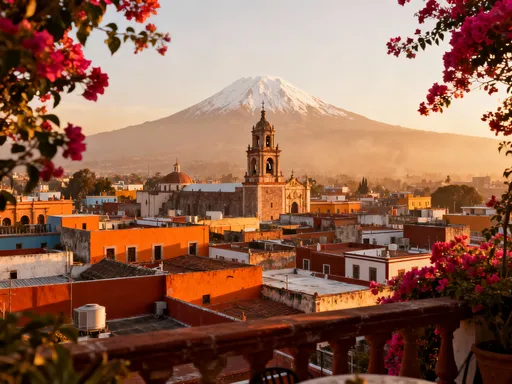
Urban design experts often emphasize the psychological impact of skyline views. When travelers gain altitude, they also gain context. Suddenly, plazas, churches, and neighborhoods align in ways that make sense—streets no longer feel like a maze but part of a deliberate, centuries-old plan. In Puebla, this is especially powerful. The city was laid out in a grid pattern following the Spanish colonial model, yet it evolved organically around sacred spaces and trade routes. From above, you can trace this evolution, watching how old and new coexist in balanced contrast. You see the preserved historic center, the creeping modern developments, and the ever-present silhouette of Popocatépetl, reminding you that nature still reigns supreme.
Emotionally, these views create pause. Amid the rhythm of daily travel—checking into hotels, navigating transit, ticking off attractions—standing on a quiet rooftop or hilltop offers a rare moment of stillness. The noise fades. The mind clears. And for a few suspended minutes, you're not just observing Puebla—you're part of it. This kind of connection is what mindful travel is all about. It’s why so many visitors describe panoramic moments as 'soul-stirring' or 'unforgettable.' They’re not just seeing the city; they’re feeling its heartbeat from above.
The Iconic Rooftop: A Must-Start at Zócalo’s Edge
No visit to Puebla is complete without starting at the heart of the city—the Zócalo, or main square—and one of the best ways to experience it is from a rooftop perched on its edge. While not all terraces are open to the public, several well-known establishments have embraced the tradition of rooftop hospitality, offering guests sweeping views of the Catedral Basílica de Puebla and the surrounding colonial architecture. These elevated spaces provide an ideal first impression, allowing newcomers to orient themselves while soaking in the city’s vibrant energy from a serene vantage point.
One such spot, located above a respected family-run café near the northeast corner of the square, offers unobstructed sightlines across the Zócalo. During golden hour, the late afternoon sun bathes the cathedral’s twin bell towers in warm light, casting long shadows across the plaza where families stroll, musicians play, and pigeons flutter between fountains. The contrast between old and present is palpable—centuries-old stonework illuminated by modern streetlamps, traditional dress mingling with contemporary fashion. It’s a living tableau, best appreciated in silence or soft conversation over a cup of locally grown coffee.
For the best experience, arrive between 4:30 and 6:00 p.m., when the light is soft and the square is alive with activity but not overcrowded. Many rooftop terraces require no reservation for small groups, though it’s wise to confirm access in advance, especially during festivals like Día de Muertos or Las Posadas. Bring a light jacket—Puebla’s elevation means evenings can be cool, even in spring. And don’t forget your camera, but remember: the most lasting souvenirs are often the memories made in stillness, not the photos captured.
This rooftop isn’t just a viewpoint; it’s a gentle introduction to Puebla’s rhythm. From here, you can spot key landmarks—the Palacio Municipal, the Portal de los Sapos arcades, the kiosco in the center of the square—and begin to map your journey through the city. It’s a perfect starting point for travelers of all ages, combining accessibility, comfort, and unparalleled views.
Climbing History: The Bell Tower of Santa María Tonantzintla
Just a short distance from central Puebla lies a hidden gem that offers one of the most spiritually rich and visually rewarding climbs in the region: the bell tower of Santa María Tonantzintla. This 17th-century church, located in the town of San Andrés Cholula, is renowned for its intricate interior—where indigenous and Catholic symbolism blend in dazzling detail—but few visitors realize that ascending its narrow stone staircase leads to a breathtaking 360-degree panorama of the Puebla Valley.
The climb itself is modest but meaningful. Winding steps, worn smooth by centuries of footsteps, lead you past small windows that gradually reveal more of the surrounding landscape. By the time you reach the top, you’re rewarded with an expansive view: the urban sprawl of Puebla to the west, the green folds of the valley below, and in the distance, the snow-capped peaks of Iztaccíhuatl and Popocatépetl standing like silent sentinels. On clear mornings, the volcanoes glow pink in the sunrise, a sight that has inspired poets and pilgrims for generations.
What makes this viewpoint special isn’t just the scenery—it’s the atmosphere. Unlike more tourist-heavy spots, the tower remains a place of quiet reverence. Visitors are asked to speak softly, and the only sounds are the wind, distant church bells, and the occasional call of a hawk circling above. This sense of peace enhances the experience, turning a simple climb into a reflective journey. Families, solo travelers, and older adults alike find it accessible and deeply moving.
Access to the tower is generally permitted during daylight hours, though it’s respectful to check with the church caretaker before ascending. There is no fee, but a small donation is appreciated. Wear comfortable shoes with good grip, as the steps are steep and uneven in places. Because the structure is historic, railings are minimal, so those with vertigo or mobility concerns should proceed with caution. Still, for many, the sense of connection—to history, to nature, to stillness—makes it well worth the effort.
Urban Escape: The Secret Garden Terrace in Historic Center
Hidden behind a weathered wooden door in Puebla’s historic center lies a sanctuary known only to a select few: a private garden terrace that feels like a secret whispered from the past. Tucked within a restored colonial residence, this tranquil space is draped in bougainvillea, fragrant jasmine, and climbing ivy. Stone arches frame views of red-tiled rooftops stretching toward the horizon, and the only sounds are the rustle of leaves and the distant chime of church bells. It’s a place where time slows, and the city’s energy softens into a gentle hum.
Though not officially a public attraction, this terrace occasionally opens to visitors through guided cultural tours or by special invitation from local heritage groups. Some boutique hotels and cultural foundations collaborate to offer access during heritage weeks or architectural festivals, ensuring the space is shared respectfully without compromising the privacy of its residents. For those lucky enough to visit, the experience is unforgettable—a blend of natural beauty, historical preservation, and quiet luxury.
The garden itself is designed in the traditional Mexican courtyard style, with a central fountain and symmetrical plantings that reflect colonial-era aesthetics. Benches made of aged wood invite quiet contemplation, and the air carries the scent of citrus from a small orchard tucked in one corner. From this height, you can see the domes of several churches peeking above the rooftops, their gilded cupolas catching the sunlight like beacons. It’s easy to imagine how Poblanos of past centuries might have retreated to such spaces for reflection, reading, or family gatherings.
Because of its private nature, there is no signage or public entry. The best way to gain access is through a registered cultural tour offered by trusted local organizations. These tours emphasize respect for the space and its history, often including brief talks on colonial architecture or urban conservation. Photography is allowed but encouraged to be discreet—this is not a stage, but a living piece of Puebla’s soul. For travelers seeking authenticity over spectacle, this hidden terrace is a rare gift.
Panoramic Perfection from Cerro del Águila
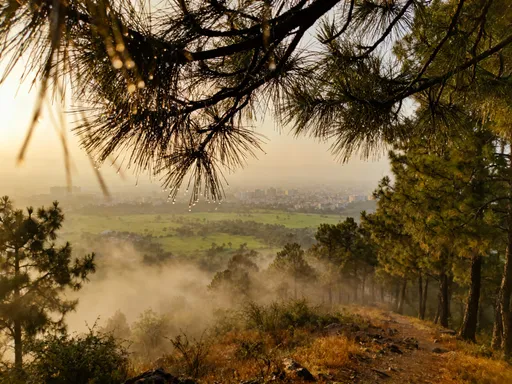
For those willing to step beyond the city center, Cerro del Águila (Eagle Hill) offers one of the most comprehensive and awe-inspiring views of Puebla. Located just a few kilometers from the historic district, this natural hilltop provides a wide-angle perspective that captures the city nestled in the valley, framed by the majestic Popocatépetl and Iztaccíhuatl volcanoes. At sunrise, when the first light spills over the eastern peaks and paints the city in soft gold, the view is nothing short of magical.
The trail to the summit is well-marked and suitable for moderate hikers, including older adults and families with older children. It begins near a small community park and winds gently upward through native vegetation—ocotillo, prickly pear cactus, and wild grasses that sway in the breeze. Interpretive signs along the path highlight local flora and fauna, as well as the ecological importance of the area as a green buffer for the city. Benches at intervals allow for rest and reflection, each offering a new angle of the unfolding landscape.
Reaching the top, you’re greeted with an unobstructed vista. The city spreads out below like a patchwork quilt—red rooftops, tree-lined avenues, and the occasional flash of a church dome catching the sun. On clear days, you can even see the distant outline of Cholula’s Great Pyramid, one of the largest in the world by volume. The air is crisp, the silence profound. It’s a place to breathe deeply, listen to the wind, and feel small in the best possible way.
For the best experience, plan your hike for early morning. Temperatures are cooler, the light is ideal for photography, and the chances of cloud cover from the volcanoes are lower. Wear sturdy walking shoes, bring water, and apply sunscreen—exposure increases at this elevation. While there are no vendors at the summit, a small kiosk near the trailhead sells bottled water and snacks. Dogs on leashes are welcome, making it a favorite spot for local families and pet owners. Cerro del Águila isn’t just a viewpoint; it’s a celebration of Puebla’s harmony with nature.
Modern Vantage: Hotel and Restaurant Terraces with a View
Not every breathtaking view requires a hike or a climb. In Puebla’s historic center, several well-established hotels and restaurants have transformed their rooftops into elegant terraces that welcome both guests and visitors. These spaces combine comfort, style, and panoramic beauty, offering a more relaxed way to experience the city from above. Whether you’re sipping a warm atole at sunrise or enjoying a glass of local wine at dusk, these modern vantage points provide effortless access to Puebla’s skyline.
One standout is a boutique hotel near the Callejón de los Sapos, whose rooftop terrace features glass railings, ambient lighting, and carefully arranged seating that ensures every guest has a clear view. From here, you can see the domes of the Rosary Chapel and the cathedral rising above the rooftops, their intricate stonework glowing in the evening light. The hotel often hosts small cultural events—live harp music, poetry readings, artisan pop-ups—making the terrace not just a viewpoint but a cultural hub.
Another popular choice is a fine-dining restaurant on the upper floor of a restored 18th-century building. Its open-air terrace overlooks the Zócalo and is particularly stunning at night, when the square is illuminated and the city takes on a dreamlike quality. The menu features elevated interpretations of Poblano classics—mole negro with plantain, chiles en nogada with seasonal fruit—and the staff is knowledgeable about both the cuisine and the view. Reservations are recommended, especially on weekends, but even a drink at the bar offers a memorable experience.
When visiting these spaces, it’s important to observe basic etiquette. Respect quiet hours, avoid loud conversations, and follow any entry guidelines—some terraces are reserved for diners only, while others allow drop-in visits during certain hours. Tipping is customary for service, and modest dress is appreciated in this traditionally minded city. These terraces are more than luxury amenities; they’re modern interpretations of an old tradition—gathering above the city to reflect, connect, and admire.
Final Tips: How to Chase the Best Light and Avoid Crowds
To truly savor Puebla’s best views, timing and mindfulness are key. The golden hours—shortly after sunrise and just before sunset—offer the most flattering light, when shadows are long, colors are rich, and the atmosphere feels almost cinematic. During these times, the city’s terracotta roofs glow, the volcanoes are sharply defined, and the air carries a soft stillness. Weekdays are generally less crowded than weekends, making them ideal for unhurried visits to popular spots like the Zócalo rooftops or Cerro del Águila.
Weather plays a significant role in visibility. Mornings are typically clearer, especially in the dry season (November to April), when humidity is low and the volcanoes are often visible. Afternoons can bring clouds, particularly in the summer months, so plan high-altitude visits early in the day. Always check the local forecast and be prepared for sudden changes—Puebla’s mountain climate can shift quickly.
Respectful photography is another cornerstone of meaningful travel. While it’s natural to want to capture the beauty around you, remember that many viewpoints are part of living communities, religious sites, or private spaces. Ask permission when appropriate, avoid using flash in sacred places, and never trespass. The most powerful images are often those taken with the heart, not just the lens.
Most importantly, practice slow travel. Don’t rush from one viewpoint to the next. Sit. Breathe. Listen to the distant call of a street vendor, the chime of a church bell, the whisper of the wind through the trees. Let the view settle into your memory. These elevated moments are not just about what you see—they’re about how you feel. In a world that moves too fast, Puebla’s rooftops, towers, and hills offer something rare: a chance to pause, reflect, and fall in love with a city from above.