You Won’t Believe These Hidden Natural Gems in Islamabad
Nestled at the foothills of the Margalla Hills, Islamabad is more than just a polished capital—it’s a gateway to breathtaking natural beauty often overlooked by travelers. I was amazed by how untouched and serene its hidden landscapes remain. From misty mountain trails to quiet valleys bursting with wildflowers, the city blends urban calm with raw nature in a way I never expected. This is a side of Pakistan few get to see. While many envision Islamabad as a grid of wide avenues and government buildings, those who venture beyond its formal layout discover a different world—one of whispering pines, still lakes, and hilltop vistas where the air smells of earth and dew. This article invites you to explore the city’s best-kept natural secrets, offering a peaceful escape without the need for long journeys or elaborate plans.
Introduction: A Different Side of the Capital
When most people think of national capitals, they imagine bustling streets, historic monuments, and cultural institutions. Islamabad fits that image in many ways, with its clean boulevards, modern architecture, and carefully planned sectors. Yet beneath this orderly surface lies a surprisingly wild heart. The city was designed not just for governance but in harmony with its natural surroundings, carved into the landscape rather than imposed upon it. This intentional integration makes Islamabad one of the greenest capitals in the world, with nearly 40% of its area reserved for parks, forests, and conservation zones. But beyond the official green spaces are quieter, lesser-known corners where nature thrives undisturbed. These hidden gems offer a refreshing contrast to city life—places where families can walk without crowds, where birds sing louder than traffic, and where the rhythm of the day slows with the setting sun. For travelers seeking authenticity, these spots reveal a Pakistan that is peaceful, beautiful, and deeply connected to the land.
The Margalla Hills: More Than Just a View
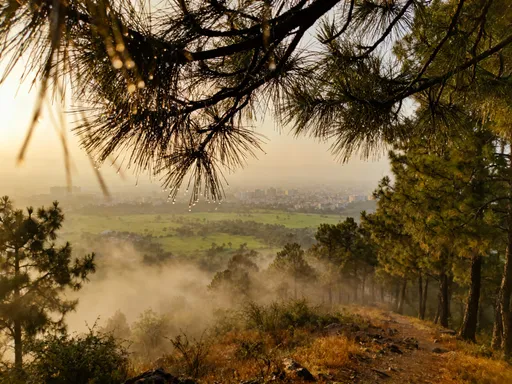
Rising like a green spine behind the city, the Margalla Hills are perhaps Islamabad’s most defining natural feature. Part of the larger Murree Hills range, these rugged limestone formations stretch across the northern edge of the capital, forming a natural barrier between the plains and the mountains. While many visitors stop at popular viewpoints or roadside restaurants, the true magic lies in the network of hiking trails that wind through the hills. These paths, some well-marked and others known only to locals, lead into forests of pine, olive, and wild fig trees, where sunlight filters through the canopy in golden patches. Early morning hikes offer the best experience—cool temperatures, crisp air, and the chance to spot wildlife such as the gray langur monkey, Indian porcupine, and even the elusive leopard cat in higher elevations.
One of the most rewarding trails begins near Trailhead 3, accessible from Sector F-6/3. This route climbs gently at first, then steepens into a series of switchbacks that open up to panoramic views of the city below. Along the way, hikers pass ancient rock carvings believed to date back centuries, silent reminders of the region’s long human presence. For those seeking a longer adventure, the trail continues toward Pir Sohawa, a high-altitude point famous for its sweeping vistas. Unlike the crowded parking areas at the top, which attract tourists in buses, the hiking routes remain peaceful and uncrowded. This makes them ideal for families, solo walkers, and anyone looking to reconnect with nature without leaving the city limits. The biodiversity here is remarkable—over 500 plant species, 150 bird species, and a variety of small mammals thrive in this protected environment, making every walk an opportunity for quiet discovery.
Shakarparian Park: Where the City Meets the Wild
Perched on a gentle hill between sectors G-6 and G-8, Shakarparian National Park is a peaceful green haven often overlooked by both tourists and locals. Unlike more commercialized parks, it maintains a quiet dignity, with minimal infrastructure and no loud attractions. Its walking trails meander through native shrubs, wildflowers, and clusters of pine trees, offering a sense of seclusion despite being just minutes from busy roads. The park’s elevated position provides one of the most beautiful unobstructed views of Islamabad, stretching from the Faisal Mosque in the west to the Margalla foothills in the east. At sunrise and sunset, the city glows in soft light, creating a tranquil atmosphere perfect for reflection or quiet conversation.
What sets Shakarparian apart is its balance between nature and culture. Scattered throughout the park are small monuments representing national unity, including a peace pagoda gifted by the Buddhist community. These structures do not dominate the landscape but blend gently into the surroundings, adding a layer of quiet meaning to the visit. Birdwatchers will appreciate the presence of red-vented bulbuls, Himalayan cuckoos, and white-cheeked bulbuls, which flit between the trees. The park is also a favorite spot for local families on weekends, who spread out on the grass with picnic mats and children’s books. Yet even during these times, the space feels open and unhurried. With its well-maintained pathways, clean rest areas, and absence of vendors or loud music, Shakarparian offers a rare kind of urban peace—one that respects both nature and the need for quiet human connection.
Daman-e-Koh: A Quiet Vista Above the Clouds
For those seeking elevation without exertion, Daman-e-Koh is a perfect destination. Located high in the Margalla Hills, this viewpoint offers one of the most breathtaking panoramas of Islamabad, with the city unfolding like a green mosaic below. Unlike the busy roadside stops near Pir Sohawa, Daman-e-Koh remains relatively quiet, especially in the early morning or late afternoon. The drive up is smooth and well-paved, making it accessible even for families with young children or older adults. Once there, visitors find a simple yet elegant garden setting—neat flowerbeds, shaded seating areas, and wide open spaces where the breeze carries the scent of damp earth and wild mint.
The true beauty of Daman-e-Koh lies in its clarity of vision. On a clear day, you can see the Rawal Lake glinting in the distance, the angular rooftops of the diplomatic enclave, and the rolling hills that stretch toward Murree. Fog can roll in quickly, especially in winter, so timing is key. Early morning visits often offer crisp visibility before the heat of the day lifts moisture into the air. Late afternoon is equally rewarding, as the setting sun bathes the city in golden light. Photographers, in particular, find this spot invaluable for capturing the essence of Islamabad’s landscape. But beyond photography, Daman-e-Koh serves as a place of stillness. It invites visitors to pause, breathe deeply, and appreciate the harmony between human planning and natural beauty. There are no loudspeakers, no hawkers, no distractions—just the quiet hum of wind through the trees and the distant call of a kite soaring overhead.
Rawal Lake: Tranquility on the Water’s Edge
One of Islamabad’s most cherished natural assets, Rawal Lake is a serene body of water formed by the damming of the Kurram River. Surrounded by hills and forested slopes, the lake serves both as a vital water source and a recreational retreat. Its walking trail, a well-paved path that circles nearly the entire perimeter, is one of the city’s most popular spots for morning walkers, joggers, and families. The 9-kilometer loop offers changing views at every turn—open water, shaded groves, rocky outcrops, and grassy banks where children fly kites or toss pebbles into the waves. Benches are placed at regular intervals, allowing visitors to rest and take in the scenery.
What makes Rawal Lake truly special is its role in the local ecosystem. During winter months, it becomes a haven for migratory birds, including northern pintails, common pochards, and Eurasian coots, which travel thousands of kilometers from Central Asia and Siberia. Birdwatchers often arrive at dawn with binoculars and notebooks, quietly observing flocks as they land on the water’s surface. The lake also supports native fish species and provides habitat for kingfishers, herons, and wagtails. Environmental efforts have helped maintain water quality and protect the surrounding green belt, ensuring that the area remains a healthy refuge for both wildlife and people. To avoid crowds, the best times to visit are weekday mornings or late afternoons. Even during weekends, the vastness of the space means there’s always a quiet corner to find. Whether you come to walk, reflect, or simply sit by the water, Rawal Lake offers a rare sense of calm in the heart of the city.
Kund Park and the Lehtrar Road Route: An Underrated Escape
Just a short drive south of Islamabad, beyond the southern ring road, lies a landscape that feels worlds away from the capital. Kund Park, nestled along the Lehtrar Road, is a green oasis often missed by visitors focused on the city’s northern attractions. The journey itself is part of the experience—Lehtrar Road winds through arid hills that suddenly give way to lush valleys, seasonal streams, and small farming communities. As you climb in elevation, the air cools and the scent of wild herbs fills the car. Kund Park sits at the edge of a natural depression, surrounded by rocky outcrops and dotted with acacia and eucalyptus trees. It’s a simple park, with picnic areas, basic restrooms, and open fields where families gather under shade tents.
What makes Kund Park special is its authenticity. There are no ticket booths, no amusement rides, no commercial stalls. Children play freely, women in colorful shawls sit together sharing tea, and elders nap on mats under the trees. The park is especially popular during spring, when wild mustard flowers bloom in bright yellow waves across the surrounding fields. It’s also a starting point for short hikes into the nearby hills, where trails lead to small waterfalls during the rainy season. For those seeking a half-day escape without the formality of a tourist destination, Kund Park offers something more valuable: a glimpse into how locals enjoy nature. The drive back to Islamabad at sunset, with the hills painted in soft orange and purple hues, completes the experience. This route is best traveled in a private vehicle or ride-share, as public transport options are limited. It’s a reminder that peace and beauty are often found just beyond the well-trodden path.
Practical Tips for Exploring Islamabad’s Hidden Nature
Exploring Islamabad’s natural sites is accessible and safe, but a few practical considerations can enhance the experience. Transportation is key—while some locations like Shakarparian and Rawal Lake are reachable by taxi or ride-sharing apps, others such as Kund Park and remote trailheads are best accessed by rental car or private vehicle. This gives visitors the flexibility to travel at their own pace and stop at scenic points along the way. The ideal seasons for outdoor exploration are spring (March to May) and autumn (September to November), when temperatures are mild and the landscape is at its most vibrant. Summers can be hot, especially in lower areas, while winters bring fog and occasional rain in the hills.
When planning hikes or long walks, it’s important to wear comfortable footwear and carry water, sunscreen, and a light jacket, as temperatures can drop quickly at higher elevations. Hats and sunglasses are recommended, especially during midday sun. While most sites have basic facilities, it’s wise to bring snacks and dispose of waste responsibly. Islamabad is a conservative and family-oriented city, so dressing modestly—long sleeves, covered shoulders, and respectful attire—is appreciated, especially in public parks. Visitors should also be mindful of local customs, such as avoiding loud music, keeping noise levels low, and refraining from littering. Respecting nature means leaving no trace and preserving these spaces for future generations. Most importantly, patience and openness enhance the journey—sometimes the most memorable moments happen when you least expect them, like spotting a deer at dawn or hearing a nightingale sing in a quiet grove.
Conclusion: Rediscovering Nature in a Planned City
Islamabad challenges the notion that capital cities must be concrete jungles. Instead, it stands as a testament to what is possible when urban planning respects the natural world. Its hidden natural gems—silent hilltops, glassy lakes, winding trails, and wild valleys—are not just scenic backdrops but vital spaces for peace, health, and connection. These places invite slow exploration, mindful presence, and a renewed appreciation for the beauty that exists close to home. For mothers, caregivers, and women managing busy households, such spaces offer more than recreation—they provide moments of stillness, clarity, and renewal. In a world that often feels rushed and overwhelming, Islamabad’s quiet corners remind us that serenity is not far away. It is within reach, waiting in the rustle of leaves, the stillness of water, and the gentle rise of the hills. The next time you plan a getaway, consider looking not beyond borders, but beyond the obvious. Sometimes, the most profound escapes are the ones we never knew were so close.