You Won’t Believe What I Found Checking Into Lake Como’s Hidden Architectural Gems
Checking into Lake Como felt like stepping into a real-life postcard—except better. I didn’t expect the architecture to steal the show, but oh boy, it did. From grand villas draped in ivy to sleek modern retreats hugging the shoreline, every turn revealed a new design story. This isn’t just a getaway; it’s a masterclass in timeless elegance and bold innovation, all wrapped in one breathtaking lake. The way centuries of craftsmanship sit quietly beside contemporary minimalism creates a dialogue between past and present, one that unfolds gradually as you move through the towns, gardens, and private estates tucked along the water’s edge. What began as a simple lakeside escape quickly became an immersive journey through design, history, and the quiet art of living beautifully.
First Impressions: Arriving at Lake Como
The journey to Lake Como begins long before you reach your final destination. As the winding roads descend from the Alpine foothills, the first shimmering glimpse of the lake appears like a mirage between the trees—long, narrow, and impossibly blue. The air grows cooler, scented with pine and damp stone, and the surrounding mountains rise like protective sentinels around the water. It’s a landscape that demands reverence, and the architecture along the shoreline responds in kind. Unlike other tourist destinations where buildings compete for attention, here they seem to bow to the terrain, curving with the contours of the land, stepping back into the hillsides, or stretching elegantly toward the water with restrained grace.
What strikes visitors immediately is the harmony between nature and human design. There are no jarring contrasts, no glass towers or concrete sprawl. Instead, the homes and villas appear as if they’ve always belonged—grown from the same earth as the cypress trees and limestone cliffs. Some are cloaked in ivy, their terracotta roofs softened by moss; others gleam with polished stonework, their columns and balustrades catching the afternoon light. Even the modest family homes in villages like Menaggio or Cadenabbia display a quiet attention to proportion and material, as though architectural dignity is simply part of daily life.
This visual balance sets the tone for the entire experience. Arrival isn’t just about checking into a room—it’s about entering a curated world where beauty is not an afterthought but a foundational principle. The absence of visual clutter, the careful placement of each structure, and the deliberate use of local stone and timber all signal a deep respect for place. For travelers, this means more than just scenic views; it means a sense of calm, of being somewhere intentional and well-considered. It’s the kind of environment that invites you to slow down, breathe deeply, and begin noticing details you might otherwise overlook.
Villas of the Past: Neo-Classical and Baroque Grandeur
Among Lake Como’s most enduring architectural treasures are its historic villas, many of which date back to the 16th through 19th centuries. These estates were built by aristocrats, artists, and wealthy merchants who sought both retreat and display—a place to entertain, reflect, and assert their status within the natural splendor of the region. Today, these villas stand as monuments to a bygone era of opulence and artistry, their facades telling stories of power, taste, and the enduring Italian love for symmetry, light, and ornamentation.
Villa del Balbianello, perched on a wooded peninsula near Lenno, is one of the most photographed sites on the lake. Its terraced gardens cascade toward the water, framed by stone balustrades and shaded by centuries-old cedars. The villa itself, originally a Franciscan monastery, was transformed in the 18th century into a private residence with classical detailing—pilasters, pediments, and ornate window surrounds that reflect the influence of Palladian design. Inside, the interiors are preserved with period furnishings, frescoed ceilings, and gilded mirrors that catch the soft lake light. Walking through its rooms feels like stepping into a historical novel, where every object has been chosen not just for comfort but for meaning.
Equally impressive is Villa Carlotta in Tremezzo, renowned as much for its art collection as its architecture. The villa’s neoclassical façade faces the lake with quiet dignity, while behind it unfolds a 17-acre garden filled with azaleas, camellias, and rare botanical specimens. The interior houses sculptures by Canova and paintings by Hayez, reinforcing the idea that these homes were not merely dwellings but cultural salons—spaces where art, nature, and architecture converged. What makes these villas so compelling today is not just their beauty but their authenticity. Thanks to meticulous preservation efforts by regional authorities and private foundations, they remain accessible to the public, offering a rare window into how the elite lived while maintaining their relevance in contemporary cultural life.
The preservation of these estates is more than an aesthetic choice; it’s a commitment to continuity. Each restored staircase, every repaired fresco, and each replanted garden bed honors the craftsmanship of the past while ensuring that future generations can experience them. For visitors, this means more than sightseeing—it means participating in a living tradition of beauty and stewardship. These villas remind us that architecture is not static; it evolves through care, attention, and respect for the layers of history embedded in stone and mortar.
Modern Echoes: Contemporary Architecture on the Water
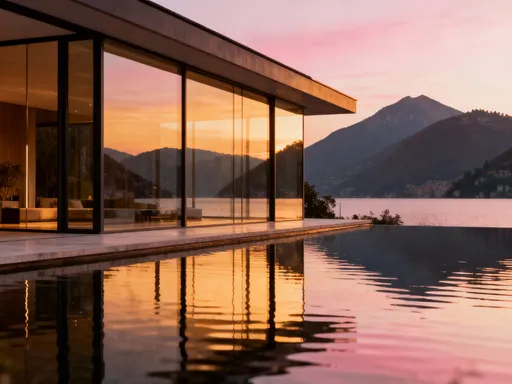
While the historic villas command admiration, Lake Como’s architectural story doesn’t end in the 19th century. In recent decades, a new generation of architects has reinterpreted the region’s design language through contemporary lenses. These modern homes—often privately owned but increasingly visible along secluded coves and forested slopes—demonstrate how innovation can coexist with tradition. Rather than imitating the past, they respond to it, using clean lines, expansive glass, and sustainable materials to create spaces that feel both futuristic and deeply rooted in their environment.
One of the defining features of modern Lake Como architecture is its transparency. Floor-to-ceiling windows blur the boundary between interior and exterior, allowing the lake and mountains to become part of the living space. In some homes, entire walls slide open to reveal terraces that extend over the water, creating the sensation of floating above the surface. The use of natural materials—such as local stone for foundations, reclaimed wood for flooring, and corten steel for accents—ensures that even the most minimalist structures feel grounded rather than intrusive. These homes don’t dominate the landscape; they listen to it, responding to sunlight, wind patterns, and topography with thoughtful precision.
Sustainability is another hallmark of this new wave. Many contemporary homes incorporate geothermal heating, solar panels, rainwater harvesting systems, and green roofs designed to blend into the hillside. One villa near Bellagio, for example, uses a subterranean cooling system that maintains comfortable indoor temperatures year-round without relying on traditional HVAC units. Another, tucked into the cliffs above Lezzeno, features a rooftop garden that insulates the home while providing a private outdoor sanctuary. These features aren’t just technical achievements—they reflect a deeper philosophy that luxury should not come at the expense of the environment.
What’s remarkable is how these modern designs complement rather than compete with their historic neighbors. A glass-walled residence might sit just behind a 17th-century chapel, yet the contrast feels respectful, even poetic. The old speaks of permanence and ornament; the new, of clarity and restraint. Together, they form a dialogue across time, proving that architectural evolution doesn’t require erasure. For travelers interested in design, visiting both types of structures offers a richer understanding of how place shapes creativity—and how creativity, in turn, can honor place.
Why Style Matters: The Emotional Impact of Design
Architecture is often thought of in functional terms—shelter, space, utility—but its influence runs far deeper. The design of a place shapes how we feel within it, often in ways we don’t immediately recognize. At Lake Como, this emotional resonance is palpable. Whether standing beneath the vaulted ceiling of a Baroque hall or sitting on a floating terrace framed by glass, the surroundings elicit distinct moods—awe, serenity, introspection, joy. These responses are not accidental; they are the result of deliberate design choices that engage the senses and the soul.
Consider the grand staircase of Villa Serbelloni in Bellagio. As you ascend, the marble steps rise gently beneath your feet, flanked by ornate railings and illuminated by soft light filtering through stained glass. The scale is imposing, yet the proportions feel human. This is architecture designed to inspire—a moment of transition that elevates not just your body but your spirit. In contrast, the minimalist interiors of a modern lakeside home invite a different kind of experience. Here, the absence of clutter, the quiet palette of stone and wood, and the seamless connection to the outdoors create a sense of calm. The space doesn’t demand attention; it allows you to breathe, to settle, to be present.
These emotional effects are backed by research in environmental psychology, which shows that well-designed spaces can reduce stress, improve mood, and enhance cognitive function. Natural light, views of water and greenery, spatial harmony, and material authenticity all contribute to what experts call “restorative environments.” At Lake Como, these elements are not luxuries—they are foundational. Even small details, like the curve of a wrought-iron balcony or the texture of hand-laid stone, add layers of sensory richness that deepen the experience of being there.
For travelers, this means that choosing where to stay is not just about comfort or convenience—it’s about emotional alignment. A historic villa may stir a sense of wonder and connection to the past, while a modern retreat might offer clarity and renewal. Both are valid, both are powerful. The key is recognizing that architecture is not neutral; it communicates, it influences, it shapes memory. A single evening on a candlelit terrace overlooking the lake can become a defining moment of a trip—not because of what happened there, but because of how the space made you feel.
Choosing the Right Stay: Matching Architecture to Your Vibe
With so many architectural styles on display, selecting the right accommodation can feel overwhelming. The good news is that Lake Como offers a spectrum of options, each suited to different tastes and travel intentions. The decision ultimately comes down to personal preference: do you crave the romance of history, or the clarity of modern design? Are you seeking grandeur and ceremony, or simplicity and stillness? Answering these questions can help narrow the choices and ensure your stay aligns with your desired experience.
For those drawn to historic charm, staying in a converted villa or boutique hotel with period features can be deeply rewarding. Properties like Grand Hotel Tremezzo or Villa d’Este offer not just luxurious rooms but immersive environments—frescoed ceilings, antique furniture, marble bathrooms, and manicured gardens that extend the aesthetic experience beyond the bedroom. These hotels often provide concierge services that include private boat tours, guided villa visits, and fine dining experiences that complement the old-world ambiance. The trade-off may be less privacy and more formality, but for many, the sense of occasion is worth it.
On the other hand, travelers who prioritize privacy, modern comfort, and direct access to nature might prefer a contemporary rental. Many of these homes are available through trusted property platforms and come with full amenities—kitchens, infinity pools, smart home systems, and private docks. Located in quieter areas like Laglio or Sala Comacina, they offer seclusion without isolation. The design often emphasizes openness and light, with large terraces ideal for morning coffee or evening wine as the sun dips behind the mountains. While they may lack the historical pedigree of a centuries-old estate, they provide a different kind of luxury—one centered on ease, functionality, and connection to the present moment.
Regardless of preference, a few practical factors should guide the decision. Location matters: Bellagio and Varenna are walkable and full of charm, while more remote areas offer peace but require a car or boat for mobility. Privacy, view quality, and access to amenities like Wi-Fi and air conditioning should also be considered, especially for longer stays. Most importantly, take time to study photos and read reviews with an eye for design details. Does the space feel cohesive? Are materials natural and well-chosen? Does the layout make sense for your needs? These observations can reveal whether a property is truly aligned with your vision of a perfect lakeside retreat.
Exploring Beyond the Hotel: Architectural Walks and Local Insights
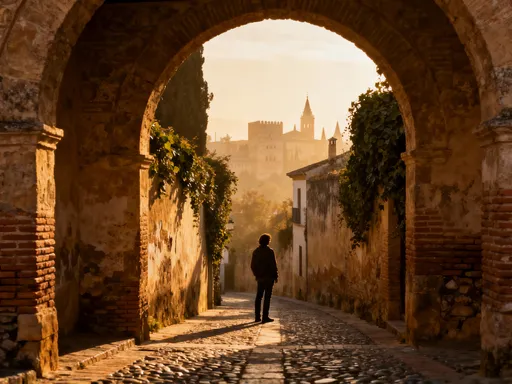
The architectural beauty of Lake Como extends far beyond private villas and luxury hotels. Some of the most rewarding discoveries come from simply walking through the towns and villages that dot the shoreline. Bellagio, often called the “pearl of the lake,” is a prime example. Its narrow cobblestone streets climb steeply from the waterfront, lined with pastel-colored homes adorned with flower boxes, wrought-iron railings, and tiled roofs. Every corner reveals a new detail—a carved stone lintel, a hidden courtyard, a mosaic step worn smooth by time. These are not showpieces but lived-in spaces, where design serves both beauty and function.
Varenna, quieter and equally picturesque, offers a more intimate experience. The village clings to the eastern shore, its buildings stacked like terraces above the water. A stroll along the Lungolago promenade reveals elegant 18th-century residences with shuttered windows and arched doorways, many now converted into small hotels or cafes. The Church of San Giorgio, with its Romanesque bell tower and simple façade, stands as a testament to centuries of quiet devotion and craftsmanship. Nearby, the gardens of Villa Monastero unfold along the lakefront, blending architectural elements—loggias, fountains, stone pathways—with lush vegetation in a harmonious composition.
For a more structured exploration, guided architectural tours are available in several towns, led by local historians or preservationists who share insights into construction techniques, historical ownership, and design influences. Alternatively, a self-guided photo walk can be equally rewarding. Equipped with a camera or smartphone, travelers can create their own visual journal of details—peeling paint beside perfect stonework, modern additions tucked behind ancient walls, reflections of buildings in the still lake water at dawn. These moments of observation foster a deeper appreciation for the layered, evolving nature of the built environment.
Engaging with locals also enriches the experience. A conversation with a shopkeeper, a boat captain, or a gardener might reveal stories about how families have lived in the same homes for generations, or how certain design choices were made to withstand humidity, wind, or seasonal tourism. These personal insights transform architecture from a visual experience into a human one, connecting the past to the present in meaningful ways.
Final Thoughts: Architecture as a Travel Language
Lake Como’s architecture is more than a collection of beautiful buildings—it is a language, one that speaks of history, identity, and the enduring relationship between people and place. Each villa, each stone path, each glass-walled retreat tells a story not just of how things were built, but of why. They reflect values—of beauty, balance, sustainability, and reverence for nature—that transcend time and trend. To travel here is not merely to see, but to understand; not just to visit, but to listen.
In a world where destinations often feel homogenized—where hotels and cities begin to look the same—Lake Como stands apart. Its architectural diversity, rooted in authenticity and care, offers a model for how places can evolve without losing their soul. Whether you’re drawn to the gilded halls of the past or the serene lines of the present, the lake invites you to look closer, to move slowly, and to let design guide your journey.
So the next time you plan a getaway, consider not just where you’ll go, but how you’ll experience it. Let architecture be your compass. Seek out places where form meets meaning, where every detail has intention, and where the built environment enhances rather than overshadows the natural world. Lake Como proves that such places exist—and that they have the power to transform not just a trip, but a perspective. Come for the views, stay for the design, and leave with a deeper sense of what it means to live beautifully.