You Won’t Believe These Hidden Natural Wonders in Bordeaux—And the Mistakes Everyone Makes
When you think of Bordeaux, wine and elegant architecture probably come to mind—but what if I told you this French gem hides some of the most breathtaking natural wonders in Europe? I went searching for untouched landscapes, wild coastlines, and secret forests, only to realize most travelers miss them completely. Worse, many fall into the same traps—over-touristed spots, wrong seasons, missed access points. Let me guide you through the real, raw beauty of Bordeaux’s nature, and how to experience it without making the same mistakes I almost did.
Beyond the Vineyards: Rediscovering Bordeaux’s Wild Side
Bordeaux is celebrated for its grand châteaux, historic squares, and, of course, its world-renowned vineyards. Yet beyond the manicured rows of grapevines lies a landscape of extraordinary natural diversity—rolling dunes, whispering pine forests, serene riverbanks, and shimmering coastal inlets. While many visitors spend their days sampling Merlot and photographing 18th-century façades, a quieter, wilder Bordeaux waits just beyond the city limits. This is a region shaped not only by human tradition but by the forces of wind, water, and time. To truly understand Bordeaux, one must step off the beaten path and embrace its untamed side.
The contrast between Bordeaux’s cultivated elegance and its natural wilderness is not a contradiction—it’s a complement. The city’s charm lies in its refinement, but its soul is rooted in the rhythms of the land. The Garonne River, which flows through the heart of the city, continues westward into marshlands teeming with birdlife. The Atlantic coast, just an hour’s drive away, features shifting dunes and tidal flats that feel worlds apart from the cobbled streets of Place de la Bourse. By expanding your itinerary to include these natural spaces, you gain a fuller, more balanced appreciation of the region.
Shifting focus from wine to wilderness doesn’t mean abandoning culture—it means enriching it. A morning spent hiking through a coastal forest can deepen your understanding of the terroir that shapes the very wines you taste. The sea air, the scent of pine, the texture of the soil—all contribute to the character of Bordeaux’s produce. When you experience these elements firsthand, your appreciation moves beyond the palate and into the senses. Nature becomes not just a backdrop, but a co-author of the region’s story.
For travelers seeking authenticity, the natural landscapes of Bordeaux offer something increasingly rare: space, stillness, and a sense of discovery. In an age of crowded attractions and curated experiences, these wild places remain refreshingly unscripted. There are no timed entry tickets, no souvenir shops, no long lines. Just the wind in the trees, the cry of gulls over the bay, and the quiet satisfaction of knowing you’ve found something real.
The Dune of Pilat: Europe’s Giant That Everyone Gets Wrong
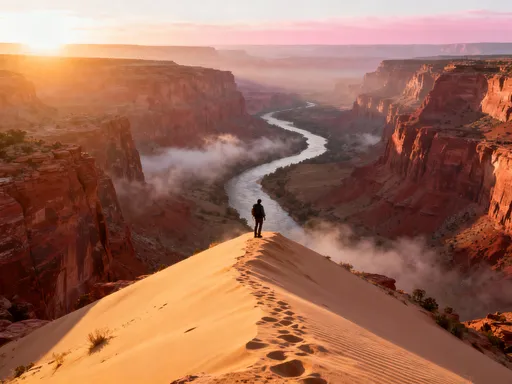
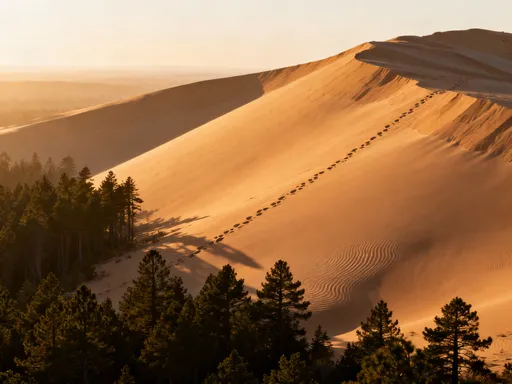
Rising like a golden wave against the horizon, the Dune of Pilat is the tallest sand dune in Europe, stretching over 2.7 kilometers in length and reaching heights of more than 100 meters. Located at the southern edge of Arcachon Bay, it’s a natural phenomenon in constant motion—shaped daily by wind and weather, slowly advancing inland, swallowing pine trees in its path. For many visitors, it’s a must-see, but too often, the experience falls short. Crowds gather at midday under the scorching sun, unprepared for the physical challenge of climbing loose sand, and unaware of the best times to visit.
One of the most common mistakes travelers make is arriving at noon. The summer heat, combined with the reflective surface of the sand, can make the climb exhausting and even dangerous for those unaccustomed to the conditions. The dune offers little shade, and hydration is essential. A far better approach is to come early in the morning or late in the afternoon, when temperatures are milder and the light is soft, casting long shadows across the rippling surface. At sunrise, the dune glows amber; at sunset, it turns deep gold, creating unforgettable photo opportunities with fewer people around.
Another frequent oversight is underestimating the terrain. Many arrive in sandals or city shoes, only to struggle with every step. The sand shifts with each footfall, making the ascent more demanding than it appears. Sturdy footwear with good grip is highly recommended. Additionally, visitors often focus solely on reaching the top—missing the chance to explore the surrounding area. The dune is part of a larger ecosystem that includes the Landes pine forest and the dynamic waters of the bay. Combining a dune visit with a walk through the nearby forest trails enhances the experience, offering shade, birdwatching, and a more complete sense of place.
The Dune of Pilat is not just a scenic attraction—it’s a living landscape. Its position changes over time, and its ecological role is vital. It acts as a natural barrier, protecting inland areas from storm surges and coastal erosion. Local conservation efforts monitor its movement and health, ensuring that tourism doesn’t degrade this fragile environment. Visitors are encouraged to stay on marked paths, avoid littering, and respect the surrounding habitats. By approaching the dune with awareness and preparation, you transform a simple photo stop into a meaningful encounter with one of Europe’s most dynamic natural wonders.
Arcachon Bay: Where Oysters Meet Untamed Nature
Arcachon Bay is a mosaic of natural beauty—shallow turquoise waters, salt marshes, oyster farming huts, and secluded beaches. Nestled between the Dune of Pilat and the forested coastline, it’s a place where marine life thrives and human activity blends harmoniously with nature. The bay is famous for its oysters, cultivated on wooden platforms that rise and fall with the tides. But beyond the culinary reputation lies a rich, biodiverse ecosystem that rewards those who explore beyond the main ports.
Yet many visitors stick to the crowded marinas of Arcachon town or La Teste-de-Buch, missing the quieter, more immersive experiences the bay has to offer. High season brings boat tours packed with tourists, noisy waterfront restaurants, and limited parking. To truly appreciate the bay, one must seek out its quieter rhythms. Early morning is ideal—when mist still hovers over the water and the oyster farmers begin their work. A sunrise kayak tour offers a peaceful way to glide over the calm surface, observing herons, oystercatchers, and even the occasional seal.
One of the best-kept secrets of the bay is Les Abatilles, a narrow sandbar that emerges at low tide, connecting the mainland to a small island. Accessible only on foot during specific hours, it feels like stepping into another world. At high tide, the path disappears beneath the waves, cutting off access—a natural reminder of the bay’s ever-changing character. Visiting requires checking tide schedules, but the reward is solitude, panoramic views, and the chance to walk where few tourists venture.
Conservation is a growing priority in Arcachon Bay. Oyster farming, while commercial, is largely sustainable, with farmers rotating plots to allow ecosystems to recover. Designated nature reserves, such as the Réserve Ornithologique du Teich, protect bird populations and educate visitors about wetland preservation. Responsible tourism means choosing eco-friendly boat operators, avoiding littering, and respecting protected zones. When you engage with the bay mindfully, you become part of a tradition that values balance—between harvest and habitat, between people and nature.
The Secret Pine Forests of Landes: A Green Cathedral Overlooked
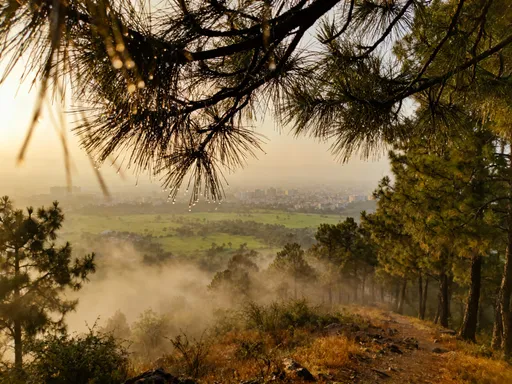
Stretching from the outskirts of Bordeaux all the way to the Atlantic coast, the Landes pine forest is one of the largest man-made forests in Europe. Planted in the 19th century to stabilize sandy soil, it now covers over a million hectares, forming a vast, fragrant expanse of maritime pines. To the casual observer, it might seem monotonous—a sea of tall, straight trees repeating into the distance. But for those who slow down and look closer, the forest reveals itself as a living, breathing sanctuary.
Many travelers bypass the Landes forest, assuming it offers little of interest. Without dramatic peaks or lakes, it doesn’t advertise itself like more famous natural attractions. Poor signage and limited public transport also deter exploration. Yet this very obscurity is what makes it special. Unlike crowded parks or tourist trails, the Landes forest remains quiet, accessible, and deeply restorative. It’s a place where you can walk for hours without encountering a soul, listening to the rustle of needles and the distant call of woodpeckers.
One of the best ways to experience the forest is by bicycle. A network of well-maintained trails winds through the trees, connecting small villages, hidden lakes, and forest clearings. E-bikes make the long, flat stretches manageable, allowing you to cover more ground without exhaustion. Routes like the Vélodyssée offer safe, scenic paths ideal for families and casual riders. For a deeper connection, consider a forest wellness walk—practicing mindfulness, breathing in the phytoncides released by the pines, and engaging in what the Japanese call *shinrin-yoku*, or forest bathing.
Beneath the canopy, biodiversity thrives. The forest is home to rare species such as the European honey buzzard, the tree pipit, and the endemic Landes heath lizard. In spring, wildflowers bloom along the trails, and small streams feed secluded ponds where dragonflies hover. Conservation efforts focus on maintaining this delicate balance, preventing over-commercialization, and promoting sustainable forestry. When you walk these paths, you’re not just passing through—you’re moving through a carefully nurtured ecosystem that has transformed barren dunes into a green haven.
Navigating the Garonne and Dordogne: Rivers That Tell a Natural Story
The Garonne and Dordogne rivers are the lifeblood of Bordeaux, shaping its history, economy, and ecology. While most tourists admire them from the city’s quaysides, few venture beyond the urban stretches to discover their wilder, quieter reaches. These rivers are not just scenic backdrops—they are dynamic ecosystems that support fish, birds, and riparian plants, offering tranquil trails and hidden access points for those willing to explore.
A common mistake is assuming the rivers are only worth seeing in the city. The quays of Bordeaux are beautiful, especially at night when the buildings are illuminated, but they represent just one chapter of the rivers’ story. Upstream and downstream, the landscape changes dramatically. Along the Garonne’s towpaths, you’ll find shaded walking trails lined with willows and reeds, perfect for spotting kingfishers, egrets, and even otters in the early morning. Canoeing is a growing activity, with rental stations available in towns like Langon and Sainte-Foy-la-Grande, offering peaceful paddles through quiet countryside.
The Dordogne, broader and slower-moving, flows through limestone cliffs and floodplain forests. Its waters are ideal for families, with gentle currents and sandy banks perfect for picnics and swimming. Yet many miss these stretches because they lack direct public transit. The solution? Plan ahead with a rental car or e-bike, and target lesser-known access points like the village of Cavarc or the loop near Bergerac. These areas offer parking, basic facilities, and a fraction of the crowds.
Seasonal changes affect river conditions. In summer, water levels drop, revealing sandbars and making some routes impassable for boats. In winter, heavy rains can cause flooding, temporarily closing trails. Checking local water level reports and weather forecasts is essential for safety. Always wear life jackets when boating, and avoid swimming in strong currents. When approached with care, the rivers become not just scenic routes but immersive experiences—connecting you to the pulse of the region’s natural rhythm.
Timing, Transport, and Traps: Practical Pitfalls to Avoid
Even the most beautiful destinations can disappoint if logistics go wrong. In Bordeaux, where natural sites are often spread out and less serviced than urban attractions, planning is key. One of the biggest pitfalls is relying solely on public transportation. While Bordeaux has an excellent tram system, rural areas like the Landes forest or Arcachon Bay have limited bus routes, infrequent schedules, and no night service. Assuming you can reach a trailhead by bus can lead to long waits or missed opportunities.
The most effective solution is renting an e-bike or a small car. E-bikes, in particular, are ideal for combining city and nature travel—they’re eco-friendly, easy to maneuver, and help you cover long distances without fatigue. Many rental shops offer delivery services or partner with hotels, making access simple. For families or groups, a compact car provides flexibility, especially when visiting multiple sites in one day. Regional shuttle services, such as the Navette du Bassin d’Arcachon, also operate seasonally between key points, but schedules should be verified in advance.
Weather planning is another often-overlooked factor. Bordeaux enjoys a mild climate, but sudden rain or heatwaves can disrupt outdoor plans. Summer brings high temperatures, particularly on exposed dunes or open trails. Packing sunscreen, a hat, a reusable water bottle, and a light rain jacket covers most scenarios. Checking park opening hours is equally important—some nature reserves, like the Teich Bird Sanctuary, close early or have seasonal access restrictions.
To stay informed, use reliable local resources. The Bordeaux Tourist Office provides up-to-date maps and event calendars. Apps like Visorando offer detailed trail routes with elevation profiles and user reviews. Visitor centers at major sites, such as the Dune of Pilat’s welcome pavilion, supply real-time updates on tides, weather, and trail conditions. By combining digital tools with human advice, you create a flexible, informed itinerary that adapts to changing conditions—ensuring your experience remains smooth and enjoyable.
Traveling Deeper: How Nature Transforms Your Bordeaux Experience
At its heart, travel is about connection—to places, to cultures, and to ourselves. While Bordeaux’s wine cellars and grand boulevards offer rich cultural experiences, its natural landscapes provide something different: a sense of stillness, presence, and renewal. In the quiet of a pine forest, the rhythm of your breath slows. On the edge of a tidal flat, time seems to pause. These moments, though intangible, are among the most valuable a journey can offer.
Nature adds balance to cultural tourism. After days of museums and tastings, a hike through a forest or a kayak ride at dawn restores energy and perspective. The sensory details—cool moss underfoot, the scent of salt and pine, the sound of wind through reeds—anchor you in the present. This kind of mindful travel doesn’t require grand gestures; it begins with simply being still, listening, and observing. It’s in these quiet interactions that memories are formed not just in the mind, but in the body.
There’s also a deeper emotional reward. Connecting with wild landscapes fosters a sense of humility and wonder. Standing atop the Dune of Pilat, you feel small in the best way—reminded of forces greater than yourself. Watching a heron stalk the shallows at sunrise, you witness life unfolding without human interference. These experiences don’t just enrich a trip—they change how you see the world. They invite you to slow down, to appreciate complexity, and to recognize the value of preservation.
Bordeaux’s soul is not confined to its wine or architecture. It lives in the whisper of the forest, the movement of the tides, the quiet persistence of nature reclaiming sand and soil. To discover it, you must be willing to go beyond the postcard views, to accept a little discomfort, and to embrace the unknown. The mistakes many travelers make—rushing, overplanning, sticking to the familiar—are avoidable. With thoughtful preparation and an open heart, you can experience Bordeaux not just as a destination, but as a living, breathing landscape. And in doing so, you don’t just see its beauty—you feel it.