You Won’t Believe These Hidden Architectural Gems in Punta Arenas
Nestled at the southern tip of Chile, Punta Arenas is more than just a gateway to Patagonia—it’s a treasure trove of unique architecture shaped by extreme winds, European settlers, and maritime history. I was stunned by how much character these buildings hold, from ornate wooden homes to weather-beaten stone structures. This city tells its story through design, and once you start noticing, you can’t look away. Every street corner reveals a blend of resilience and elegance, where form follows survival and beauty emerges from necessity. Far from the architectural grandeur of capital cities, Punta Arenas offers something quieter but no less profound: a built environment that whispers of endurance, identity, and human ingenuity in one of the world’s most remote urban outposts.
The First Glimpse: Arriving in a City Built to Defy the Wind
As travelers approach Punta Arenas, the first thing they notice is not a skyline of towering buildings, but a city that seems to cling to the earth. The architecture here is low and compact, hugging the ground as if bracing against an invisible force—which, indeed, it is. The Patagonian wind is not merely a weather pattern; it is a defining presence, often gusting over 100 kilometers per hour and shaping every aspect of life, including how buildings are designed. Homes and public structures alike are built with survival in mind, their forms sculpted by necessity rather than fashion. Sloped roofs, minimal height, and reinforced foundations are not stylistic choices but essential adaptations to an environment where a poorly anchored shingle can become a projectile.
What makes this practicality remarkable is how it has evolved into a distinct architectural identity. The city’s layout avoids long, exposed facades, and buildings are often clustered together, creating sheltered micro-environments between them. Windows are small and deeply set, reducing wind pressure and heat loss, while doors are heavy and reinforced. Materials are chosen for durability: thick timber, weather-resistant stone, and, most famously, corrugated iron. Even the colors of the buildings play a role—bright reds, deep greens, and royal blues are not just for visual appeal but help residents identify homes from a distance in the frequent fog and storm conditions.
This functional aesthetic tells a story of adaptation. Unlike cities where architecture reflects power or wealth, Punta Arenas’s buildings speak of resistance and resilience. Every angled roof and tightly sealed window is a response to a climate that demands respect. Yet within this framework, there is beauty. The repetition of gabled roofs, the rhythmic pattern of metal siding, and the way light plays across painted facades during the brief Patagonian summer create a visual harmony that is both humble and striking. Visitors often arrive expecting a windswept outpost with little architectural interest, only to discover a city where every structure has been carefully considered in dialogue with nature.
Victorian Whispers: European Elegance in the Middle of Nowhere
At the heart of Punta Arenas lies a surprising contradiction: a city forged by harsh conditions also became a canvas for European refinement. During the late 19th century, the region experienced an economic boom driven by the sheep farming industry, transforming remote Patagonia into one of the wealthiest corners of South America. Wealthy landowners, known as estancieros, imported not only livestock but also luxury goods, furnishings, and entire prefabricated homes from Europe. Many of these homes were manufactured in Britain, disassembled, shipped across the Atlantic and around Cape Horn, then reassembled in this southernmost city like pieces of a grand puzzle.
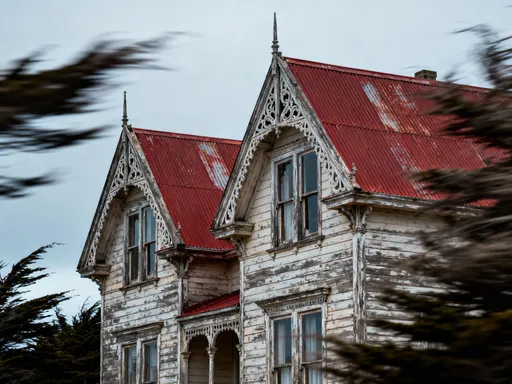
The legacy of this era is most visible in the historic district surrounding Plaza Muñoz Gamero, the city’s central square. Here, ornate wooden houses with steep gables, carved eaves, and decorative trim stand as testaments to a time when Punta Arenas rivaled European towns in cultural sophistication. These homes, often painted in vibrant hues, feature bay windows, wraparound verandas, and intricate woodwork that reflects Scottish, French, and German architectural influences. The use of wood, particularly imported Oregon pine, allowed for detailed craftsmanship that would have been impossible with local stone or metal under the technological constraints of the time.
What makes these homes even more remarkable is their survival. Exposed to salt air, relentless wind, and extreme temperature shifts, wooden structures typically degrade quickly in such climates. Yet many of these Victorian-style houses remain standing, thanks to generations of careful maintenance and a deep cultural commitment to preservation. Some have been converted into museums, boutique hotels, or cultural centers, while others remain private residences where families live amid original wood paneling, antique fireplaces, and century-old staircases. Walking through these neighborhoods feels like stepping into a living museum, where history is not frozen behind glass but lived in daily routines.
The presence of these homes also speaks to the city’s cosmopolitan past. Punta Arenas was once a hub for international trade and migration, attracting merchants, engineers, and artisans from across Europe. This cultural mosaic is embedded in the architecture, where a French mansard roof might sit beside a Scottish cottage-style home, both sharing the same windswept block. The blend of styles is not chaotic but harmonious, unified by scale, materials, and the shared need to withstand the elements. In this way, the city’s architecture becomes a physical record of migration, ambition, and the human desire to create beauty even in the most unlikely places.
Iron Roofs and Tin Walls: Industrial Materials Turned Identity
Among the most iconic features of Punta Arenas’s architectural landscape is the widespread use of corrugated iron. Originally a utilitarian import, this material has transcended its functional origins to become a defining element of the city’s visual identity. First introduced in the 19th century as a durable, lightweight, and easily transportable building material, corrugated iron was ideal for a region where traditional construction supplies were scarce and weather conditions unforgiving. It could be rolled, shipped in compact bundles, and assembled quickly by local workers, making it a practical solution for homes, warehouses, stables, and even places of worship.
Over time, what began as a necessity evolved into a stylistic hallmark. The rhythmic ridges of metal roofing catch the light in distinctive ways, creating a shimmering effect across the city, especially during the golden hours of the long summer days. Roofs in red, green, silver, and deep blue form a patchwork across the hills, their colors often chosen to reflect personal taste or family tradition. Some homes feature corrugated iron not just on roofs but on walls, chimneys, and even decorative elements, blending industrial functionality with artistic expression. The material’s durability has proven exceptional; many metal roofs installed over a century ago are still in use today, a testament to both the quality of early manufacturing and the care of local residents.
The use of corrugated iron also reflects a broader cultural attitude toward adaptation and resourcefulness. Rather than hiding the material’s industrial origins, Punta Arenas embraces them. Churches with iron spires, schools with metal facades, and community centers with corrugated walls all contribute to a built environment that is honest about its roots. There is no attempt to mimic stone or brick where those materials are impractical; instead, the city celebrates what works. This authenticity resonates with visitors, offering a refreshing contrast to destinations where historical appearance is artificially maintained.
Today, corrugated iron is not just a relic of the past but a living part of the city’s architectural vocabulary. Modern renovations often incorporate reclaimed metal sheets, preserving continuity with tradition while meeting contemporary standards for insulation and weatherproofing. Artists and designers have also begun to reinterpret the material in public installations and cultural projects, further cementing its status as a symbol of Patagonian identity. In Punta Arenas, tin is not humble—it is honored, a reminder that beauty can emerge from pragmatism when shaped by time and care.
The Cathedral That Withstands Storms: Sacred Architecture Meets Survival
Rising above the rooftops of Punta Arenas, the Cathedral of the Sacred Heart stands as both a spiritual beacon and a monument to architectural endurance. Constructed in the early 20th century, this striking church combines Gothic Revival elements with practical adaptations for Patagonia’s extreme climate. Its tall wooden spire, painted white and capped with a metal cross, cuts through the frequent cloud cover, serving as a landmark for travelers and a symbol of resilience for locals. The cathedral’s brick foundation and stone base anchor it firmly against the wind, while its steeply pitched roof, clad in green corrugated iron, allows snow and rain to slide off efficiently, preventing structural strain.
What makes this cathedral remarkable is not just its aesthetic, but its dual purpose. In a region where blizzards and gales can isolate communities for days, churches like this one were designed to serve as shelters. Thick walls, heavy doors, and elevated interiors provide protection during the worst storms, offering warmth and safety when other buildings might fail. The interior, with its arched ceilings, stained glass windows, and hand-carved wooden altars, creates a space of solemn beauty, but also one of practical comfort. Oil-fired heaters and insulated windows, added during later renovations, ensure that the cathedral remains habitable even in sub-zero temperatures.
The construction of the cathedral was a community effort, reflecting the deep religious and cultural values of early settlers. Materials were sourced locally or imported at great expense, and skilled craftsmen from Europe collaborated with Chilean builders to complete the project over several decades. The use of wood in the spire and interior beams was a bold choice, given the region’s fire risks and high winds, but it also symbolized hope—a vertical reach toward the heavens in a landscape that often feels horizontal and unyielding.
Today, the cathedral remains a central part of civic life, hosting religious services, weddings, and community gatherings. It has survived earthquakes, fires, and decades of relentless weather, becoming a living symbol of continuity. For visitors, stepping inside offers more than a moment of quiet reflection; it provides insight into how faith and function intertwine in this remote city. The cathedral does not dominate the skyline with grandiosity, but earns its presence through perseverance, much like the people it serves.
Off-the-Beaten-Path Finds: Hidden Courtyards and Forgotten Mansions
Beyond the well-trodden paths of Plaza Muñoz Gamero and the main shopping streets, Punta Arenas holds quieter, more intimate architectural treasures. Tucked behind unassuming facades are hidden courtyards, overgrown gardens, and century-old mansions that time seems to have forgotten. These spaces, often invisible to casual passersby, offer some of the most authentic glimpses into the city’s past. Some were once the homes of wealthy merchants or prominent civic leaders; others served as boarding houses or cultural salons during the city’s golden age. Though many have fallen into disrepair, a growing number are being restored by preservation societies and private owners dedicated to honoring the city’s heritage.
One of the most enchanting aspects of these hidden spaces is their sense of intimacy. Unlike the grand facades that face the streets, the interiors often reveal personal touches—hand-painted tiles, wrought-iron railings, wooden shutters with intricate carvings, and floors made of wide-plank timber. Courtyards, though small, are designed to capture what little sunlight is available, often centered around a fountain, a sculpted tree, or a simple bench where residents could sit during rare calm days. In some cases, original furniture, books, and family photographs remain, offering a direct connection to the lives once lived within these walls.
Access to these private spaces is limited, but not impossible. Several cultural organizations host annual heritage days, during which select historic homes open their doors to the public. Guided walking tours, led by local historians or architects, also provide opportunities to explore lesser-known neighborhoods and learn about the stories behind the buildings. These experiences are not about spectacle, but about slowing down and observing details—the way light filters through a stained glass transom, the sound of wind rattling a tin roof, the scent of aged wood in a restored parlor.
For travelers, visiting these hidden gems requires respect and discretion. These are not museums, but homes, and many families still live in properties that have been in their lineage for generations. Photography is often permitted from the exterior, but interiors should be appreciated quietly and without intrusion. The reward is not a checklist of sights, but a deeper understanding of how architecture shapes daily life. In Punta Arenas, history is not confined to monuments; it lives in the everyday, in the creak of a wooden staircase and the warmth of a well-maintained hearth.
Modern Twists: How New Architecture Respects Old Traditions
While Punta Arenas cherishes its architectural past, it is not frozen in time. New construction in the city reflects a thoughtful balance between innovation and tradition. Contemporary buildings—whether hotels, cultural centers, or private homes—frequently incorporate elements of historic design, ensuring that the city’s visual language remains cohesive. Architects and urban planners work within municipal guidelines that preserve the city’s character, including restrictions on building height, roof pitch, and exterior materials. As a result, modern structures do not disrupt the skyline but complement it, blending glass, steel, and concrete with wood and corrugated metal in ways that feel both fresh and familiar.
One notable example is the growing number of boutique hotels that reinterpret traditional forms. These buildings often feature sloped roofs, wooden cladding, and vibrant colors, echoing the Victorian and industrial styles of the 19th century, while incorporating energy-efficient insulation, large double-glazed windows, and sustainable heating systems. Some designs even include courtyards or interior gardens, reviving a historic feature in a modern context. Public buildings, such as the regional museum and cultural center, use exposed timber beams and metal roofing to create spaces that feel rooted in place, even as they serve contemporary functions.
This architectural continuity is not accidental but intentional. City officials recognize that Punta Arenas’s identity is deeply tied to its built environment, and policies are in place to protect it. New developments must undergo design reviews to ensure they align with the city’s aesthetic principles. This approach has helped prevent the kind of generic urbanization that erases local character in favor of uniformity. Instead, Punta Arenas grows with purpose, its evolution guided by respect for the past.
For visitors, this means that the city feels authentic at every turn. There are no jarring contrasts between old and new, no glass towers that dwarf historic homes. Even modern signage and street furniture are designed with restraint, using materials and colors that harmonize with the surroundings. This consistency enhances the sense of place, allowing travelers to immerse themselves fully in the city’s unique atmosphere. In Punta Arenas, progress does not mean erasure; it means continuation.
Why This Architecture Matters: Identity, Memory, and Place
The buildings of Punta Arenas are more than shelters from the wind—they are vessels of memory, identity, and cultural pride. In a region so remote, where isolation could easily lead to cultural erosion, architecture has served as a stabilizing force. Each home, church, and public building carries the imprint of those who built it, lived in it, and preserved it. The wooden facades tell of European dreams transplanted to Patagonia; the iron roofs speak of resilience and practicality; the hidden courtyards whisper of private lives and family legacies. Together, they form a collective narrative of adaptation, survival, and belonging.
Preserving this architectural heritage is not merely about aesthetics; it is about maintaining a connection to history in a place where the past feels both distant and immediate. For local residents, especially younger generations, these buildings offer tangible links to their ancestors’ struggles and triumphs. They are reminders that identity is not abstract, but built into the walls around them. Community-led restoration projects, school programs on local history, and cultural festivals centered on heritage all reinforce this sense of continuity.
For travelers, engaging with Punta Arenas’s architecture offers a rare kind of depth. This is not a city of grand monuments or tourist spectacles, but one of quiet dignity and lived experience. To walk its streets is to participate in a slow, reflective form of discovery. There are no crowds, no queues, no need to rush. Instead, there is space to observe, to wonder, to feel the weight of history in the grain of weathered wood and the curve of a rusted gutter.
Ultimately, the architecture of Punta Arenas invites a different way of seeing. It asks visitors to look beyond the surface, to appreciate beauty not in perfection, but in endurance. It reminds us that homes are not just structures, but stories. And in a world where so much feels transient, this city stands as a testament to the lasting power of place.