You Won’t Believe What Eilat’s Architecture Hides
Eilat, Israel’s southern coastal gem, is often praised for its coral reefs and desert sunsets—but few talk about its jaw-dropping architectural vibe. I went expecting sand and sea, and instead stumbled upon a visual feast of bold shapes, colors, and desert-modern fusion. This isn’t just beachside boredom—Eilat’s buildings tell stories of climate, culture, and creativity. Let me take you where travel guides don’t: into the soul of a city built to blend with sun, sea, and silence.
First Impressions: When Architecture Meets Desert and Sea
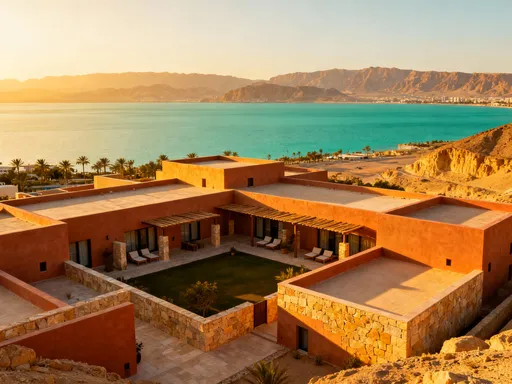
Arriving in Eilat by road from the north, the landscape shifts dramatically—from the rugged folds of the Negev Desert to a slender coastal strip where sandstone cliffs meet the turquoise waters of the Gulf of Aqaba. The first sight of the city is not one of towering skyscrapers or dense urban sprawl, but of low-slung, spread-out structures that seem to grow naturally from the earth. Buildings hug the terrain, stepping gently toward the sea, their silhouettes softened by wide boulevards and generous setbacks. This is no accident of planning; it is a deliberate response to geography, climate, and human comfort.
The city’s layout respects the harsh realities of its environment. With summer temperatures regularly exceeding 40°C (104°F), urban design prioritizes airflow, shade, and thermal comfort. Wide streets act as natural ventilation channels, allowing hot air to disperse while encouraging sea breezes to penetrate inland. Building heights are generally limited to four or five stories, ensuring that no structure casts long, oppressive shadows or blocks vital crosswinds. This horizontal emphasis gives Eilat an open, breathable quality—more garden city than metropolis.
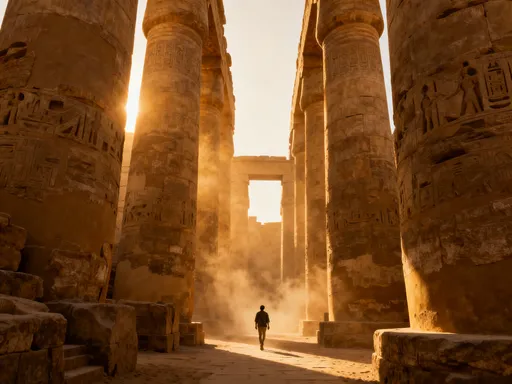
What strikes the observant traveler is how the architecture interacts with light. In the early morning, the sun skims the desert floor, casting long shadows that stretch like fingers across pale stucco walls. By midday, surfaces glow in the intense glare, their earthy tones—ochre, sand, and soft terracotta—absorbing heat without glaring back. As the sun dips toward the horizon, the entire city seems to ignite in golden hues, with facades catching the last rays like mirrors. This daily rhythm of light and shadow is not merely poetic; it is integral to how buildings perform, how people move, and how public spaces are used.
Color, too, plays a functional role. While some might assume the muted palette is purely aesthetic, it is in fact a climate-responsive choice. Lighter tones reflect solar radiation, reducing heat absorption, while deeper accents in copper, rust, or navy provide visual interest without contributing to thermal load. The result is a cityscape that feels alive—not static or sterile, but responsive to the passage of time and the movement of the sun.
The Soul of Desert-Modern: What Defines Eilat’s Style
Eilat’s architectural identity can best be described as “desert-modern”—a regional interpretation of mid-century modernism adapted to the demands of an arid, sun-drenched environment. This style is characterized by clean lines, flat roofs, deep overhangs, and open-plan layouts that blur the boundary between interior and exterior. Unlike the glass-heavy high-rises common in other resort cities, Eilat’s buildings favor solidity, texture, and protection from the elements.
Flat roofs are not just a stylistic nod to modernism; they serve practical purposes. They provide additional outdoor space—often used for private terraces or solar panel installations—and allow for efficient rainwater collection during the rare but intense desert storms. Deep overhangs and wide eaves shield windows and walls from direct sunlight, reducing indoor temperatures by up to several degrees. These features are not add-ons; they are baked into the DNA of Eilat’s design philosophy.
Facades are typically finished in textured stucco or locally sourced stone, materials that not only withstand the abrasive desert winds but also contribute to thermal mass. During the day, these dense surfaces absorb heat slowly, preventing interiors from overheating. At night, as the desert cools rapidly, the stored heat is gradually released, stabilizing indoor temperatures. This passive thermal regulation reduces reliance on air conditioning—a critical consideration in a city where energy demand spikes during summer months.
The color palette is drawn directly from the surrounding landscape. Walls in warm beige, soft gray, and sun-bleached white echo the hues of the mountains and dunes. Accent elements—such as metal railings, wooden screens, or ceramic tiles—often incorporate deeper desert tones: burnt sienna, dusty rose, or oxidized copper. These choices do more than create visual harmony; they help buildings blend into their environment, minimizing visual disruption and enhancing a sense of place.
Open-air layouts are another hallmark of desert-modern design. Courtyards, atriums, and covered walkways are common, especially in hotels and public buildings. These spaces serve as thermal buffers, allowing hot air to rise and escape while drawing cooler air from shaded areas. They also create inviting social zones—places to gather in the relative cool of early morning or late afternoon, when the desert breeze is most pleasant.
Hotels as Design Statements: Where Comfort Meets Aesthetics
In Eilat, hotels are not just places to sleep—they are architectural experiences in themselves. Many resorts have embraced the principles of desert-modern design to create environments that are both visually striking and functionally efficient. Rather than imposing monolithic structures, these properties often adopt a modular, village-like layout, with low buildings arranged around central courtyards or water features.
One of the most effective design strategies is the use of internal courtyards. These open spaces act as microclimates, capturing shade and promoting natural ventilation. Fountains or shallow pools add evaporative cooling, lowering ambient temperatures by several degrees. The sound of trickling water also enhances the sensory experience, offering a soothing counterpoint to the arid surroundings. These courtyards become social hubs—places for guests to relax, read, or enjoy a quiet coffee—while also serving as passive cooling systems.
Elevated structures are another common feature. By raising buildings slightly above ground level, designers allow air to circulate beneath the floors, reducing heat transfer from the hot desert soil. This simple technique, borrowed from traditional desert architecture, significantly improves indoor comfort without increasing energy use. Combined with high ceilings and cross-ventilation strategies, it enables many rooms to remain comfortable even when air conditioning is used sparingly.
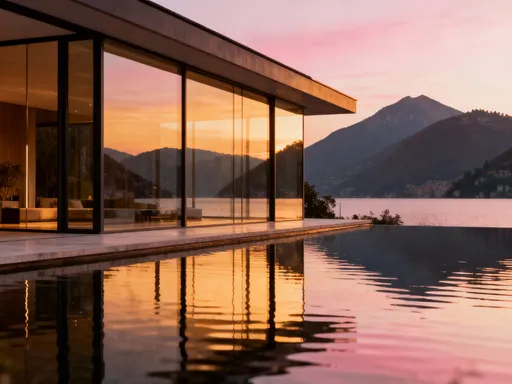
Orientation is equally important. Most high-end resorts are carefully positioned to maximize sea views while minimizing solar exposure. Bedrooms and living areas face west or northwest, capturing the cooling afternoon breezes and the dramatic sunset over the Gulf. Service areas, stairwells, and utility rooms are often placed on the east and south sides, acting as thermal buffers against the morning and midday sun. This thoughtful zoning ensures that guest comfort is prioritized without compromising energy efficiency.
Shaded walkways and covered arcades connect different parts of the property, allowing guests to move freely without exposure to direct sunlight. These pathways are often lined with native plants—such as date palms, acacia trees, or desert succulents—that provide additional shade and require minimal irrigation. The integration of greenery is not merely decorative; it contributes to the overall cooling strategy and supports local biodiversity.
Public Spaces and Urban Planning: Function with Flair
While Eilat’s hotels showcase architectural innovation, the city’s public spaces reveal a broader commitment to human-centered urban design. The northern and central promenades, stretching along the coastline, are prime examples of how thoughtful planning can enhance both livability and visitor experience. These pedestrian-friendly zones are wide, shaded, and lined with benches, bike paths, and small kiosks offering refreshments or souvenirs.
Shade is a defining feature of Eilat’s public realm. Instead of relying solely on trees—which struggle to thrive in the arid climate—designers have incorporated permanent shading structures. These include cantilevered canopies, pergolas with climbing vines, and fabric sails stretched between minimalist steel poles. These solutions provide consistent protection from the sun while maintaining visual openness and allowing breezes to flow freely.
Plazas and gathering spaces are strategically placed at regular intervals, offering rest points for walkers and cyclists. Many of these areas include water features—such as misting stations, shallow fountains, or reflective pools—that serve both aesthetic and functional roles. The evaporation of water cools the surrounding air, making these spots particularly inviting during the heat of the day. Children often play in the shallow waters, while adults sit nearby, enjoying the relief from the sun.
The integration of greenery, though limited by water availability, is carefully managed. Drought-resistant plants are used extensively, and irrigation systems are typically drip-based to minimize waste. Vertical gardens and green walls appear in some newer developments, adding pockets of green without excessive water use. These elements not only improve microclimates but also soften the urban environment, making it feel more welcoming and less industrial.
Walkability is a key goal of Eilat’s urban planning. The city has invested in a network of pedestrian and bicycle paths that connect major attractions, hotels, and residential areas. This reduces reliance on cars, especially during peak tourist seasons when traffic congestion could otherwise detract from the visitor experience. The emphasis on non-motorized transport also aligns with broader sustainability objectives, lowering emissions and promoting healthier lifestyles.
Hidden Gems: Off-the-Beaten-Path Structures Worth Noticing
Beyond the well-trodden tourist zones, Eilat harbors a quieter, more experimental side of architecture. In residential neighborhoods and lesser-known corners of the city, small-scale projects reveal a spirit of innovation and authenticity. Local cafés, community centers, and artist studios often feature bold design choices—unusual rooflines, repurposed materials, or solar-integrated facades—that reflect a growing awareness of sustainability and place-based design.
One might stumble upon a neighborhood café with a façade made of recycled wood panels, their weathered grain telling stories of past uses. Another could discover a small cultural hall with a green roof planted with native succulents, helping to insulate the building while supporting pollinators. These structures rarely make it into travel brochures, yet they offer some of the most genuine expressions of Eilat’s architectural identity.
Some of these buildings incorporate passive solar design in subtle ways. South-facing windows are minimized, while north-facing ones are enlarged to capture indirect daylight. Thermal chimneys—vertical shafts that draw hot air upward and out—can be seen in certain community buildings, enhancing natural ventilation without mechanical systems. Solar water heaters are ubiquitous on rooftops, a practical response to the city’s abundant sunshine.
What makes these spaces special is their humility. They are not designed to impress or dominate, but to serve and blend. They reflect a growing trend toward low-impact, context-sensitive architecture—one that values resilience, resourcefulness, and connection to place. For the attentive traveler, these hidden gems offer a deeper understanding of how Eilat lives, not just how it looks.
Climate-Driven Design: How Heat Shapes Form
Eilat’s architecture is, above all, a response to climate. The extreme heat, intense solar radiation, and limited water resources have shaped every aspect of the built environment. This is not architecture in spite of the desert—it is architecture because of the desert. Designers here do not fight nature; they collaborate with it, using time-tested principles and modern innovations to create spaces that are livable, efficient, and beautiful.
Passive cooling is central to this approach. One of the most effective techniques is thermal mass—the use of dense materials like concrete, stone, or rammed earth that absorb heat during the day and release it slowly at night. When combined with proper insulation and ventilation, this creates a natural temperature-regulating system. Studies have shown that buildings with high thermal mass can reduce indoor temperature fluctuations by up to 10°C, significantly lowering the need for mechanical cooling.
Wind channels are another key strategy. By aligning buildings and open spaces with prevailing wind patterns—typically from the northwest—designers create natural ventilation corridors. These channels funnel cool sea breezes into urban areas, displacing hot air and improving comfort. In some developments, vertical fins or angled walls are used to direct airflow into courtyards or public plazas, enhancing the cooling effect.
Reflective surfaces also play a crucial role. Light-colored roofs and walls reduce solar absorption, a technique known as the “albedo effect.” In Eilat, where sunlight is intense year-round, this simple measure can lower surface temperatures by as much as 20°C compared to dark materials. Some newer buildings incorporate cool roof coatings or reflective membranes, further improving energy efficiency.
Water, though scarce, is used strategically. In addition to decorative fountains and pools, some buildings use misting systems that activate during peak heat hours. These systems consume far less water than traditional irrigation but provide significant localized cooling. Greywater recycling is increasingly common, with treated wastewater used for landscape irrigation or toilet flushing, reducing the strain on freshwater supplies.
Together, these strategies make Eilat a living laboratory for sustainable architecture in arid climates. The city demonstrates that comfort and efficiency do not require high energy consumption or imported designs. Instead, they emerge from a deep understanding of local conditions and a willingness to innovate within ecological limits.
Why This Matters: The Bigger Picture of Place-Specific Architecture
Eilat’s architecture offers more than aesthetic appeal—it presents a powerful argument for designing with context. In an era when cities around the world are succumbing to generic, one-size-fits-all development, Eilat stands as a reminder that buildings should respond to their environment, not dominate it. Its desert-modern style is not a mere trend; it is a necessary evolution shaped by climate, culture, and practical wisdom.
When travelers take the time to notice the built environment, they gain a richer, more meaningful experience. Architecture is not just backdrop—it is narrative. The overhangs that shield from the sun, the courtyards that capture the breeze, the colors that echo the mountains—all of these elements tell a story about how people live in harmony with a challenging landscape. This awareness fosters a deeper connection to place, transforming a simple vacation into a journey of understanding.
Moreover, Eilat’s approach has global relevance. As climate change intensifies, more regions will face conditions similar to those in the Negev—extreme heat, water scarcity, and energy strain. The design principles seen in Eilat—passive cooling, thermal mass, solar orientation, and water efficiency—are transferable lessons for cities from the American Southwest to the Arabian Peninsula. They prove that sustainable living is not about sacrifice, but about smart, thoughtful design.
For the 30- to 55-year-old traveler—often balancing family, career, and personal renewal—Eilat offers more than relaxation. It offers insight. It invites reflection on how we build, how we live, and how we can create spaces that are not only beautiful but responsible. The next time you walk through a sun-dappled courtyard or sit beneath a shaded arcade, pause. Look up. Look around. The architecture is speaking. Are you listening?