You Won’t Believe What I Found Eating in Goa
Goa isn’t just beaches and parties—it’s a food lover’s dream hiding in plain sight. I went looking for adventure and stumbled upon something way better: flavors I never expected, from beachside shacks to village kitchens miles off the map. This is specialty dining with soul, where every bite tells a story. If you think Goan food is just vindaloo, trust me—you haven’t really eaten here yet.
Beyond the Brochures: Rediscovering Goa Through Food
Goa is often sold as a postcard of golden sands, turquoise waves, and all-night beach parties. But beneath the glossy surface lies a culinary landscape shaped by centuries of cultural convergence. The state’s unique flavor profile stems from a rich blend of Konkani roots, Portuguese colonial influence, and broader Indian culinary traditions. This fusion isn’t merely historical—it’s alive in every kitchen, every market, and every roadside stall. For travelers seeking authenticity, food becomes the most revealing compass, guiding them beyond tourist circuits into the heart of local life.
While guidebooks highlight Calangute and Baga for their nightlife, those in the know understand that Goa’s true rhythm pulses in its kitchens. The shift from superficial sightseeing to flavor-driven exploration reflects a growing trend among mature travelers—particularly those in their 30s to 50s—who value meaningful experiences over fleeting thrills. These travelers are not chasing Instagram moments but seeking connection: with people, with place, and with tradition. And few things foster connection like sharing a meal prepared with care and heritage.
Food, in this context, is more than sustenance. It’s a living archive of migration, adaptation, and resilience. The Portuguese brought vinegar, chilies, and baking techniques in the 16th century, while local Konkani communities contributed coconut, rice, and fish-based preparations. Over time, these elements merged into something entirely new—a cuisine that is bold yet balanced, spicy yet nuanced. To eat in Goa is to taste history, one bite at a time. And for those willing to step off the beaten path, the rewards are both delicious and deeply personal.
The Real Taste of Goa: Seafood, Spices, and Secrets
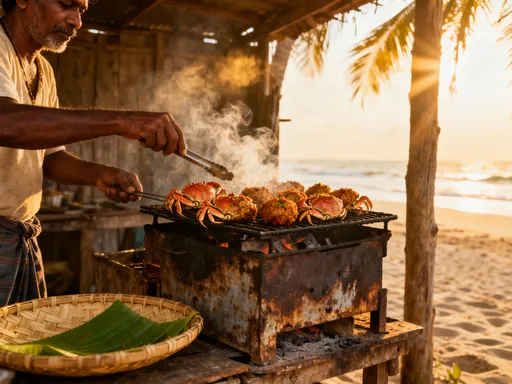
While vindaloo and butter garlic naan dominate tourist menus, authentic Goan cuisine offers a far more diverse palette. Dishes like xacuti, a complex curry made with roasted coconut, poppy seeds, and a blend of spices including star anise and cinnamon, showcase the region’s layered flavor profiles. Recheado, a fiery red marinade used on fish and pork, gets its punch from Kashmiri chilies, garlic, and tamarind. Sorpotel, a tangy pork stew slow-cooked with blood and vinegar, is a legacy of Portuguese preservation methods adapted to tropical conditions. And crab croquettes, often found in coastal villages, highlight the abundance and freshness of the Arabian Sea’s catch.
The geography of Goa plays a crucial role in shaping its cuisine. With over 100 kilometers of coastline, fishing is not just an industry but a way of life. In villages like Agonda and Palolem, fishermen still use traditional methods—hand nets, small wooden boats, and tidal knowledge passed down through generations. The result is seafood so fresh it needs little embellishment. A simple grilled pomfret with a squeeze of lime and a side of sanna (a steamed rice and coconut cake) embodies the essence of Goan coastal cooking: minimalism elevated by quality.
Equally important are the spice blends that define Goan kitchens. Unlike mass-produced curry powders, Goan masalas are often ground at home using a wet grinder or stone mortar. Families guard their recipes closely, with each household having its own variation of the classic masala recheado or masala xacuti. These pastes, made with ingredients like coriander, cumin, cloves, and dried red chilies, are fried in oil to release their aromas before being added to dishes. The process is time-consuming but essential—pre-packaged versions simply can’t replicate the depth of flavor achieved through slow, careful preparation.
Hidden Kitchens: Where Locals Really Eat
For many visitors, dining in Goa means beach shacks or hotel buffets. But the most memorable meals are often found in places without names. In villages like Siolim and Assagao, family-run tavernas serve lunch-only spreads of rice, fish curry, and vegetable stir-fries to locals and the occasional curious traveler. These spots rarely appear on maps, have no signage, and operate on a cash-only basis. Yet they offer some of the most authentic Goan food available—cooked in clay pots over wood fires, served on stainless steel plates, and eaten with hands.
One such place is a zansi in the inland village of Chandor, known only by word of mouth. Open from 12:30 to 3:00 PM, it serves a rotating menu based on what’s available that morning. On one visit, the meal included amtim soro (a sour fish curry made with kokum), bhaji (a spiced spinach dish), and polao (saffron rice). The owner, a retired schoolteacher, cooks with her daughters and welcomes guests like old friends. There’s no menu to choose from—just trust in what’s been prepared. This kind of informal hospitality is common in rural Goa, where food is an expression of generosity, not commerce.
Temple food stalls also offer a glimpse into Goan culinary traditions. During festivals like Ganesh Chaturthi or Diwali, many temples serve free meals to devotees. These prasadam meals often include dal, chapati, and sweet rice, but in Goa, they may also feature fish curry or bebinca. Eating at these stalls isn’t just about nourishment—it’s about participating in community rituals that have endured for generations. For visiting families, especially those with children, this is a chance to experience Goan culture in its most unfiltered form: warm, inclusive, and deeply rooted in tradition.
Beach Shacks with a Twist: Casual Dining, Serious Flavor
Beach shacks have long been synonymous with casual dining in Goa, but in recent years, many have evolved beyond serving fried snacks and cocktails. In both North and South Goa, a new generation of shack owners is redefining what beachside dining can be. These upgraded shacks emphasize sustainability, seasonality, and authenticity, sourcing ingredients from local fishermen and farmers. Some have even earned reputations for their culinary innovation while staying true to Goan roots.
In Palolem, for example, a beach shack run by a Goan family uses only seafood caught within 10 kilometers of the shore. Their menu changes daily based on the catch, and they avoid single-use plastics entirely. Dishes like grilled mackerel with roasted coconut chutney and jackfruit curry with homemade thee thoran (a stir-fry of grated coconut and spices) reflect a deep respect for local ingredients. The setting remains relaxed—bamboo tables, sarongs for napkins, bare feet in the sand—but the food is anything but ordinary.
Similarly, in Agonda, a small shack known for its thal (a traditional platter meal) offers a curated experience that blends comfort and authenticity. For a modest price, guests receive unlimited servings of rice, fish curry, lentils, and seasonal vegetables, all served in a communal setting. The owners encourage guests to linger, chat, and even help with simple tasks like peeling vegetables. This participatory approach fosters connection and turns a simple meal into a shared experience. It’s a reminder that great food doesn’t require white tablecloths—just intention, care, and a sense of place.
Farm-to-Table in the Tropics: Organic Farms and Culinary Tours
The farm-to-table movement has taken root in Goa, thanks to a growing awareness of sustainable eating and a renewed interest in traditional agriculture. Across the state, small organic farms now welcome visitors for immersive culinary experiences. These agro-tourism ventures offer more than just a tour—they invite guests to harvest greens, crack coconuts, and cook alongside farmers using ingredients picked minutes before.
One popular destination is a spice plantation near Ponda, where visitors walk through shaded groves of cardamom, clove, and nutmeg. The tour ends in an open-air kitchen, where a family prepares a multi-course meal using ingredients from the farm. Guests sit on wooden benches under a thatched roof, eating dishes like jackfruit curry, spinach with garlic, and rice cooked in coconut milk. The meal is accompanied by stories—about how spices were once traded along ancient routes, about the medicinal properties of turmeric, and about the challenges of farming in a changing climate. It’s education wrapped in flavor, a perfect blend of learning and enjoyment.
Another example is a coconut farm in Sattari, where guests participate in every step of coconut-based cooking. From plucking the fruit to extracting milk to making neera (a sweet, refreshing sap drink), the experience demystifies a staple of Goan cuisine. The afternoon concludes with a meal that features coconut in nearly every dish—coconut chutney, coconut rice, and even coconut fudge for dessert. For families traveling with children, these tours are especially valuable, offering hands-on learning in a safe, engaging environment. They also support local livelihoods, ensuring that small farmers can continue their work in the face of urbanization and land pressure.
Sweet Endings: Desserts and Drinks That Surprise
Goan desserts are often overlooked by visitors, yet they offer some of the most distinctive flavors in the region’s cuisine. Bebinca, a layered pudding made with coconut milk, sugar, and egg yolks, is perhaps the most famous. Traditionally prepared during Christmas, it requires hours of slow baking, with each layer added one at a time. The result is a rich, caramelized dessert that melts in the mouth. Dodol, a dense, fudge-like sweet made from jaggery, coconut, and rice flour, is another favorite, especially during festivals.
Equally unique is feni, a spirit distilled from cashew apples or coconut palm sap. While not a dessert, it often accompanies sweets and is considered an essential part of Goan hospitality. Locals sip it slowly, sometimes mixed with lime or soda, and it carries a strong cultural significance—produced in small batches, often by families using century-old stills. For the curious traveler, a feni tasting can be a memorable experience, offering insight into Goa’s agricultural heritage and artisanal traditions.
In recent years, a new wave of cafes in towns like Panjim and Mapusa has begun reinventing traditional sweets with modern flair. One café, run by a young Goan woman, offers a deconstructed bebinca served with mango sorbet and coconut foam. Another features dodol truffles dusted with edible gold. These innovations don’t replace tradition—they celebrate it, making it accessible to younger generations and international visitors. For families, sharing these desserts becomes a way to bridge generations, with grandparents explaining the old ways while children enjoy the new twists.
Planning Your Flavor Journey: Practical Tips for Food-Centric Travel
For those planning a food-focused trip to Goa, timing can make all the difference. The best months to visit are between November and February, when the weather is pleasant and several food festivals take place. The Goa Seafood Festival, usually held in January, showcases the state’s marine bounty with cooking demonstrations, tastings, and competitions. The International Food and Cultural Festival in Panjim offers a broader palette, featuring cuisines from across India and abroad, but with a strong emphasis on local Goan dishes.
Navigating menus can be challenging for first-time visitors, especially when regional names aren’t familiar. A helpful strategy is to ask locals for recommendations—shopkeepers, taxi drivers, or even fellow diners. Phrases like “What do you usually eat?” or “What’s fresh today?” go a long way in uncovering hidden gems. It’s also wise to avoid restaurants right on main tourist strips, where prices are inflated and ingredients may be imported. Instead, look for places filled with locals, especially during lunch hours.
Transportation in Goa is relatively easy, with rental scooters, taxis, and app-based rides widely available. For families, hiring a driver for a day can be a convenient way to explore multiple villages and food spots without worrying about navigation. Meals in rural areas are typically served between 12:30 and 3:00 PM, so planning visits accordingly ensures access to the best home-style cooking. As for etiquette, eating with the right hand is traditional, though utensils are usually provided. Tipping is appreciated but not expected, and a simple “dhanyavad” (thank you) in Konkani or Marathi is always welcomed.
Conclusion
Specialty dining in Goa isn’t about fancy tables or Michelin stars—it’s about connection, curiosity, and the joy of stumbling upon something real. When you let food lead the way, the destination reveals itself in the most delicious ways. This is travel that feeds more than just the stomach. It nourishes the senses, deepens understanding, and creates memories that linger long after the last bite. For the thoughtful traveler—especially those who value authenticity, tradition, and warmth—Goa offers a feast unlike any other. All you need to do is take the first bite.