You Won’t Believe How Bruges Comes Alive During Festival Season
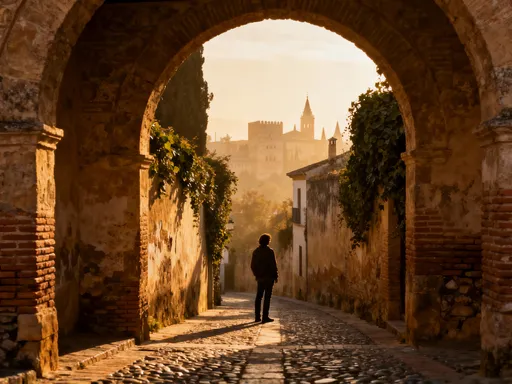
Bruges isn’t just canals and cobblestones — it’s a city that pulses with life when the festivals hit. I’ve walked those medieval streets in summer glow and winter sparkle, and trust me, the energy is unreal. From music spilling into ancient squares to locals crafting traditions centuries old, festival culture here isn’t performative — it’s alive. This is more than tourism; it’s a deep dive into how a UNESCO city keeps its soul vibrant, one celebration at a time. The charm of Bruges lies not only in its preserved architecture or chocolate-scented alleyways but in the way its people breathe life into history through seasonal gatherings that feel both timeless and refreshingly current. Whether it’s the rhythmic beat of drums during a centuries-old parade or the soft hum of carolers beneath glowing market lights, Bruges reveals its truest self when its calendar turns to celebration.
The Heartbeat of a Medieval City: Why Festivals Define Bruges
Bruges is often described in stillness — a postcard frozen in time, where gabled rooftops mirror perfectly in quiet canals and tourists wander in hushed awe. But to experience Bruges only as a silent museum piece is to miss its living pulse. The city’s soul beats strongest during its festivals, moments when history doesn’t merely stand preserved behind glass but walks the streets in costume, sings in polyphonic harmony, and dances through centuries-old squares. These celebrations are not tourist-driven spectacles but deeply rooted traditions that reflect the rhythm of Flemish life, shaped by agricultural cycles, religious observances, and communal pride.
Festivals in Bruges serve as cultural anchors, binding generations through shared memory and ritual. Unlike cities where heritage is showcased in curated exhibits, Bruges enacts its past with authenticity and joy. The seasonal turning points — spring’s renewal, summer’s abundance, autumn’s harvest, and winter’s introspection — are all marked with events that invite participation rather than passive observation. Locals don traditional attire, prepare heirloom recipes, and pass down songs and stories that might otherwise fade. This continuity is not accidental; it is nurtured by civic institutions, schools, and neighborhood associations that view cultural preservation not as a burden but as a birthright.
For visitors, engaging with these festivals offers a rare depth of connection. Standing among residents during a candlelit procession or sharing a glass of spiced wine at a neighborhood fair creates moments of genuine human warmth. It transforms travel from sightseeing into belonging, even if only for a day. The festivals become bridges — not just across time, but between cultures. And in an age where mass tourism often flattens local identity, Bruges stands as a model of how tradition can thrive without being commodified beyond recognition. The city’s festivals are not performances for outsiders; they are acts of identity, proudly and joyfully lived.
Carnival of the Cat: History, Chaos, and That Famous Parade
One of the most distinctive and whimsical events in Bruges’ annual calendar is the Kattenstoet, or Festival of the Cat — a vibrant, slightly surreal parade that draws tens of thousands every three years. At first glance, it appears to be a celebration of feline whimsy: costumed marchers, giant cat puppets, and toy cats being tossed from the balcony of the Belfry into the crowd below. Yet behind the playful surface lies a story rooted in medieval history, public health, and a uniquely Flemish sense of humor that turns dark chapters into shared celebration.
The origins of the Kattenstoet trace back to the 13th century, when cats were associated with witchcraft and superstition. In some accounts, live cats were thrown from the tower of the city hall as part of a ritual to ward off evil spirits or protect the town’s grain stores from vermin. While the practice of throwing live animals ended centuries ago — and is now abhorrent by modern standards — the festival evolved into a symbolic and festive reenactment. Today’s event, first revived in 1955, transforms that grim past into a lighthearted homage to the cat as a symbol of mystery, resilience, and community spirit.
The parade itself is a kaleidoscope of color and creativity. Marching bands in period costumes, jugglers, acrobats, and giant papier-mâché cats weave through the historic center, accompanied by floats depicting feline legends and folklore. Children dress as kittens, elders wear elaborate cat-themed hats, and the air hums with music and laughter. The climax comes when hundreds of plush toy cats are flung from the Belfry balcony into outstretched hands below — a moment of collective delight that unites spectators of all ages. It’s a ritual that acknowledges history without glorifying it, using humor and spectacle to transform a troubling past into a shared moment of catharsis and joy.
The Kattenstoet reveals something essential about Bruges: its ability to hold complexity with grace. The city does not erase uncomfortable chapters but reinterprets them through art and celebration. This festival, while playful, invites reflection on how communities remember, reconcile, and reinvent tradition. For visitors, it offers a rare glimpse into local values — a blend of historical awareness, creative expression, and a refusal to take oneself too seriously. It’s not just a cat parade; it’s a statement about resilience, memory, and the power of collective storytelling.
Summer Sounds: Bruges Concert Festival and the Magic of Open-Air Music
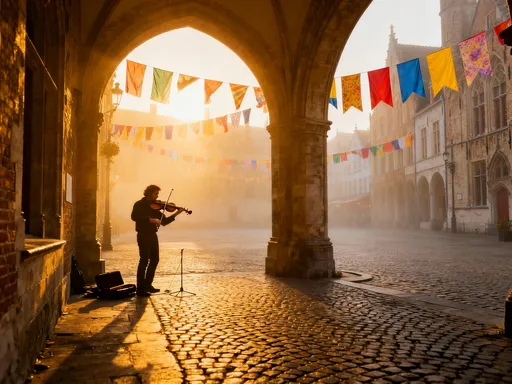
When summer settles over Bruges, the city becomes a sanctuary for music lovers. The annual Concert Festival transforms historic spaces into intimate concert halls, where the acoustics of Gothic arches and centuries-old stone enhance every note. This two-week event, held each June and July, features classical symphonies, chamber ensembles, jazz performances, and contemporary compositions, all presented in venues that amplify both sound and atmosphere. From the grand Concertgebouw to candlelit chapels and cloistered courtyards, Bruges offers a listening experience unlike any other in Europe.
The festival’s setting is part of its magic. Imagine sitting in the hushed stillness of a 13th-century church as a violinist draws the first note, the melody echoing through vaulted ceilings that have absorbed centuries of prayer and song. Or picture yourself in the inner courtyard of a medieval monastery, surrounded by ivy-covered walls, as a jazz quartet plays beneath a canopy of stars. These are not mere concerts; they are sensory journeys where architecture, history, and music converge. The city itself becomes an instrument, its stones resonating with harmony.
What sets the Bruges Concert Festival apart is its curation — a balance of reverence for tradition and openness to innovation. While much of the program honors the classical canon, it also includes modern interpretations and cross-genre collaborations that keep the experience fresh. Local musicians perform alongside international artists, creating a dialogue that feels both global and deeply rooted in place. The festival also prioritizes accessibility, offering free outdoor performances and family-friendly events that invite residents and visitors alike to participate.
For travelers, timing a visit around the Concert Festival means more than catching a few shows — it means experiencing Bruges in its most contemplative and elevated state. The pace slows, the air feels richer, and the city seems to listen as much as it performs. It’s a reminder that culture is not only seen but heard, and that some of the most profound travel moments happen in silence between notes. Whether you’re a lifelong classical enthusiast or simply drawn to beauty in motion, the festival offers a rare chance to witness artistry in its most intimate form.
Christmas Markets That Feel Like a Snow Globe Come to Life
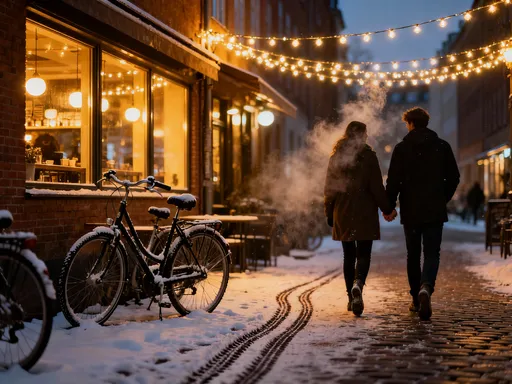
As winter descends, Bruges undergoes a transformation that feels almost cinematic. The Christmas Market, centered around the Market Square and extending toward the Minnewater Lake, turns the city into a living snow globe — twinkling with lights, fragrant with spices, and alive with the sound of carols. Wooden chalets line the cobblestone paths, selling handmade ornaments, knitted scarves, and local delicacies. The scent of mulled wine and roasted chestnuts drifts through the air, mingling with the cool breeze off the canals. It’s a season of warmth in every sense, where even the shortest daylight hours feel full of magic.
The heart of the market beats around the ice-skating rink near Minnewater, where families glide beneath strings of golden lights and children laugh in thick woolen hats. Nearby, a towering Christmas tree stands sentinel, its branches heavy with ornaments and glowing from within. The market is carefully designed to preserve the charm of a traditional Flemish village fair while accommodating international visitors. Yet despite its popularity, it avoids the commercial excess seen in some European cities. Vendors are primarily local artisans and food producers, ensuring authenticity in every purchase.
One of the most touching aspects of the Bruges Christmas Market is its integration with local life. It’s not a seasonal pop-up but a continuation of winter traditions that have long defined Flemish homes. Caroling groups from nearby towns perform on rotating stages, their voices rising in harmonies passed down through generations. Nativity scenes are displayed with care, and candlelight services in historic churches draw both worshippers and curious onlookers. The city doesn’t shut down for tourists; it opens up, sharing its quiet, reflective side with those willing to slow down and listen.
For families, the market offers a rare blend of enchantment and sincerity. Children meet Saint Nicholas (Sinterklaas) in a specially decorated house, where he arrives not by helicopter — as sometimes seen in modern adaptations — but by traditional barge along the canal, maintaining a connection to regional customs. The experience feels curated not for spectacle, but for meaning. And as dusk falls and the lights brighten, Bruges becomes something more than a destination — it becomes a feeling, a memory in the making, a place where winter doesn’t isolate but gathers people together in shared warmth.
Beyond the Main Squares: Finding Hidden Festival Moments Off the Beaten Path
While the grand parades and central markets draw the crowds, some of the most authentic festival experiences in Bruges happen just beyond the main thoroughfares. Venture into neighborhoods like Sint-Andries or Koolkerke during the City Festival, and you’ll find community-driven events that reflect the daily life of local residents. A small procession of schoolchildren carrying handmade lanterns, a neighborhood choir singing in a parish hall, or an impromptu folk dance in a quiet square — these unscripted moments offer a truer picture of Bruges’ festival spirit than any official program can convey.
The City Festival, held each summer, is particularly rich in these offbeat encounters. While the main stages host professional acts, the surrounding streets buzz with grassroots creativity. Artists install temporary sculptures in abandoned lots, bakeries offer free samples of seasonal treats, and residents open their gardens for public strolls. It’s a celebration not of spectacle, but of place — an invitation to see Bruges not as a monument, but as a living neighborhood. These moments thrive on spontaneity; you won’t find them on maps or apps, but in the rhythm of local life.
Discovering these hidden gems requires a shift in mindset. Instead of rushing from landmark to landmark, slow down. Walk without a fixed destination. Strike up a conversation with a vendor, linger at a street-side café, or follow the sound of music drifting from an open church door. Bruges rewards curiosity. A simple “Goedemiddag” (good afternoon) in Dutch, even if imperfectly pronounced, often opens doors — literal and figurative. Locals appreciate the effort, and that small gesture can lead to an invitation to a private concert, a tip about a lesser-known viewing spot, or a shared laugh over a mispronounced word.
These off-the-beaten-path experiences remind us that festivals are not just events, but expressions of community. They flourish not in isolation, but in connection — between neighbors, between generations, between visitors and hosts. In seeking them out, travelers move from observation to participation, from outsider to guest. And in that shift, the true value of cultural travel becomes clear: it’s not about collecting sights, but about sharing moments that linger long after the music fades.
Planning Your Visit: When to Go, Where to Stay, and How to Blend In
Timing is everything when planning a festival-centered trip to Bruges. The Kattenstoet occurs every three years, with the next edition expected in 2026, making it a rare but unforgettable experience. The Concert Festival runs annually from late June through mid-July, ideal for travelers seeking cultural depth in mild summer weather. The Christmas Market operates from late November through early January, peaking in the weeks before Christmas — a perfect choice for those drawn to seasonal charm, though requiring preparation for colder temperatures and larger crowds.
Accommodation options range from historic boutique hotels in the city center to quiet guesthouses just outside the medieval walls. Staying within the central district offers walkability and atmosphere but books up quickly during festival seasons. For a more relaxed pace, consider neighborhoods like Sint-Michiels or Assebroek, where public transit remains convenient and prices may be more moderate. Many family-run lodgings offer breakfast with local specialties — think fresh bread, Belgian jams, and creamy yogurt — adding a personal touch to your stay.
Getting around Bruges is easiest on foot or by bicycle, as the historic core is compact and largely pedestrianized. Public buses connect outer areas, and the train station lies just a 15-minute walk from the Market Square. For day trips, regional trains offer easy access to nearby cities like Ghent or Brussels, allowing for extended exploration. When navigating festival events, consult the official city tourism website for updated schedules, maps, and accessibility information.
To blend in respectfully, observe local customs. Belgians value order and courtesy, so queue patiently and greet shopkeepers upon entering stores. Learning a few basic Dutch phrases — “Dank u” (thank you), “Spreekt u Engels?” (Do you speak English?) — goes a long way. Avoid loud behavior in residential areas, especially during evening events. And while photography is welcome, ask permission before taking pictures of performers or private gatherings. These small acts of mindfulness enrich your experience and honor the community that welcomes you.
Why Festival Travel Is the Future of Meaningful Tourism
Travel is changing. As more people seek authenticity over convenience, festivals have emerged as powerful vehicles for meaningful cultural exchange. In Bruges, attending a celebration is not just entertainment — it’s an act of participation in living heritage. Unlike passive sightseeing, festival travel invites engagement, empathy, and connection. It shifts the focus from monuments to moments, from observation to experience. And in doing so, it supports a more sustainable, community-centered model of tourism.
When visitors attend local festivals, they contribute directly to the preservation of intangible culture — traditions that UNESCO now recognizes as vital to global heritage. These events rely on volunteer labor, municipal support, and public interest to survive. Tourist attendance provides not only economic benefit but social validation, reinforcing the value of cultural continuity. Moreover, when travelers come with respect and curiosity, they foster mutual understanding — a quiet diplomacy that builds bridges across languages and borders.
Bruges exemplifies how a historic city can thrive without sacrificing authenticity. Its festivals are not staged for outsiders but sustained by insiders — families, artisans, musicians, and civic groups who care deeply about their traditions. By choosing to visit during these times, travelers align themselves with a vision of tourism that honors place, people, and purpose. They become witnesses to resilience, joy, and the quiet courage of keeping culture alive.
The future of travel lies not in checking off landmarks, but in sharing in the rhythms of life elsewhere. In Bruges, that rhythm is felt in the beat of a parade drum, the hush of a candlelit concert, the laughter of children catching toy cats from the sky. It is a city that doesn’t just show its past — it lives it, breathes it, celebrates it. And for those willing to step off the tourist path and into the circle of celebration, Bruges offers not just memories, but meaning. Because the real magic doesn’t lie in the canals or the cobblestones — it begins when the music starts, and the city dances.