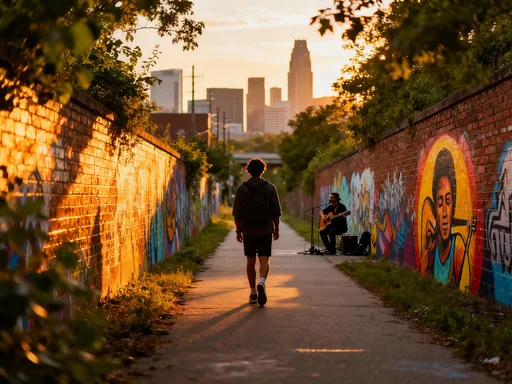
You Gotta Experience This – Antigua’s Cultural Pulse Is Real
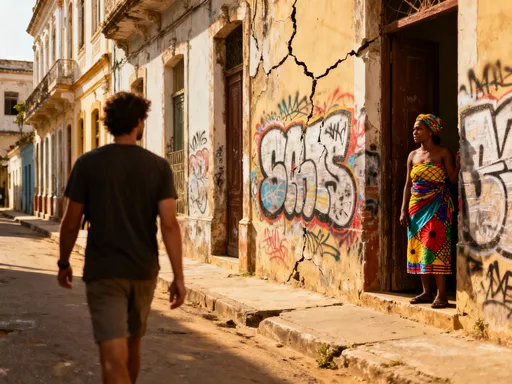
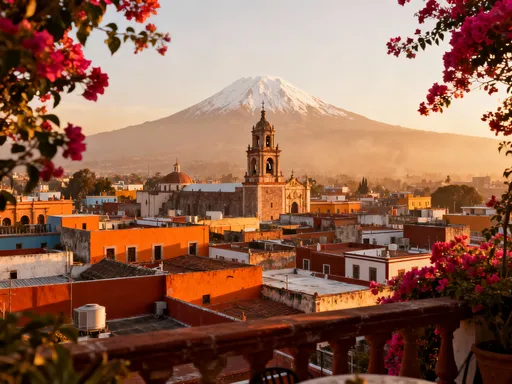
Antigua, Guatemala isn’t just cobblestone streets and pastel buildings—it’s alive with culture. From morning market bustle to traditional weaving workshops, every corner tells a story. I wandered, participated, and connected in ways I never expected. If you're seeking authentic cultural activities that go beyond sightseeing, Antigua delivers—genuinely, vividly, and with heart. This is a place where history isn’t confined to museums but unfolds in daily life, where traditions are not performed for tourists but lived with pride. Whether you're sipping coffee grown on nearby volcanic slopes or learning to weave alongside Kaqchikel artisans, Antigua invites you in—not as an observer, but as a participant. And that distinction makes all the difference.
Why Antigua Stands Out for Cultural Immersion
Antigua’s distinction as a UNESCO World Heritage site is not merely ceremonial—it reflects a rare continuity of cultural expression that spans centuries. Founded in the early 1500s, the city was once the capital of the Kingdom of Guatemala, and its colonial architecture, preserved through both intention and resilience, offers a tangible link to the past. Yet what truly sets Antigua apart is not its historical pedigree alone, but how seamlessly the old and new coexist. The legacy of Spanish colonialism blends with enduring Maya traditions, creating a cultural fabric that is both layered and accessible.
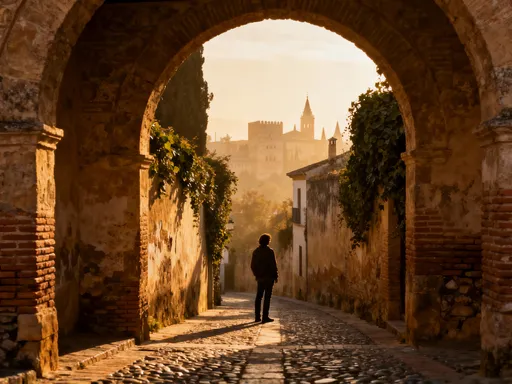
The city’s compact layout enhances this immersion. Unlike sprawling urban centers where cultural landmarks feel isolated, Antigua’s grid of cobblestone streets places markets, churches, artisan workshops, and language schools within easy walking distance. This walkability fosters spontaneous encounters—a conversation with a baker pulling fresh pan dulce from the oven, a chance invitation to a neighborhood fiesta, or the sound of marimba drifting from an open doorway. These moments accumulate into a deeper understanding of local life, one that guidebooks alone cannot provide.
Equally important is the way traditions are woven into everyday routines. Unlike destinations where cultural practices are staged for tourists on weekends, in Antigua, rituals like home-based altar offerings, traditional cooking methods, and handcraft production remain part of daily existence. Elders pass down recipes and weaving techniques not as museum exhibits but as living knowledge. This authenticity draws travelers seeking more than surface-level experiences. It invites participation, not just observation, and rewards curiosity with genuine connection.
Morning in the Markets: A Sensory Dive into Local Life
No introduction to Antigua’s culture is complete without a visit to its vibrant markets, where the rhythm of daily life pulses strongest. The Mercado Central and Mercado de Artesanías, though often grouped together, serve distinct purposes—one rooted in utility, the other in craft. Together, they form a sensory tapestry of color, scent, and sound that captures the essence of Guatemalan daily life. Arriving early, around 7 a.m., allows visitors to witness the market at its most authentic: vendors arranging pyramids of tropical fruit, mothers selecting vegetables for family meals, and the rich aroma of roasting coffee mingling with woodsmoke from street-food grills.
The Mercado Central is where locals shop for staples—plantains, chilies, handmade tortillas, and medicinal herbs bundled in brown paper. Here, interaction is practical but warm. A smile and a simple "buenos días" can open a conversation, and many vendors appreciate even rudimentary Spanish. Regional specialties like pepitoria (toasted pumpkin seeds) or loroco (a native edible flower used in scrambled eggs) offer a glimpse into the diversity of Guatemalan cuisine. Observing these choices reveals how geography and tradition shape diet: highland-grown potatoes, volcanic soil-enriched corn, and spices traded through generations.
Adjacent to this functional hub, the Mercado de Artesanías caters more to visitors but remains grounded in authenticity. Stalls overflow with handwoven textiles, carved wooden masks, and ceramics fired in traditional kilns. While some items are produced for tourists, many artisans use these sales to sustain their families and preserve their craft. The key to navigating this space with respect lies in intention. Rather than rushing through with a camera, taking time to ask about the origin of a textile or the meaning behind a pattern shows appreciation that goes beyond transaction.
Practical considerations enhance the experience. The best time to visit is weekday mornings, when the energy is high but crowds are manageable. Bargaining is expected in the artisan market but should be done politely—starting at around 20 to 30 percent below the asking price is common. In the central market, prices are typically fixed for food items, so bargaining is less appropriate. Staying aware of personal belongings is wise, as in any busy marketplace, but paranoia is unnecessary; Antigua remains relatively safe for mindful travelers. Above all, approaching the market with humility and openness transforms a simple shopping trip into a meaningful cultural exchange.
Hands-On Heritage: Trying Traditional Textile Making
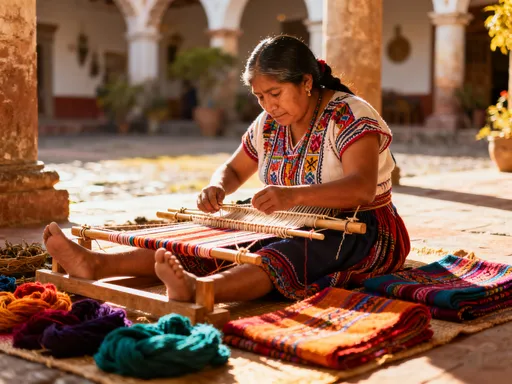
One of the most profound ways to connect with Antigua’s cultural roots is through participation in traditional textile making. The backstrap loom, a tool used by Maya weavers for over two thousand years, remains central to this practice. Unlike industrial looms, the backstrap is portable, personal, and intimately tied to the body—its tension adjusted by the weaver’s own weight. Participating in a workshop offers more than a craft lesson; it provides insight into a worldview where patterns encode identity, history, and spiritual belief.
Several community-run cooperatives in and around Antigua offer short workshops where visitors can try their hand at weaving under the guidance of Kaqchikel women. These sessions typically begin with an introduction to the symbolism embedded in traditional designs—zigzags representing mountains, diamonds symbolizing the four directions, and stepped frets evoking ancestral temples. Each village has its own distinctive style, and the colors used often derive from natural dyes: cochineal insects for crimson, indigo for deep blue, and avocado pits for soft brown. Learning how these materials are harvested and prepared underscores the sustainability and ingenuity of indigenous knowledge.
The act of weaving itself is meditative, requiring focus and patience. Even a few inches of fabric take hours to complete, offering a humbling reminder of the labor behind every handwoven piece. More importantly, these workshops are not performances. They are spaces of cultural transmission, where artisans share their heritage while sustaining their livelihoods. Many cooperatives, such as those affiliated with the Asociación de Mujeres del Altiplano, reinvest proceeds into education and healthcare for their communities.
For travelers, the value lies not in producing a perfect textile but in the exchange of respect and attention. Asking thoughtful questions, listening to personal stories, and purchasing directly from the artisans support this ecosystem. It’s essential to seek out programs that are locally led rather than foreign-operated, ensuring that benefits remain within the community. When done with integrity, this experience becomes more than a souvenir—it becomes a story of connection.
Flavors That Tell Stories: Cooking Classes with Guatemalan Families
Food is perhaps the most intimate expression of culture, and in Antigua, cooking classes offer a doorway into Guatemalan family life. Unlike formal culinary schools, the most meaningful experiences take place in home kitchens, where grandmothers, mothers, and daughters teach recipes passed down through generations. Preparing dishes like pepián—a rich, slow-cooked meat stew with indigenous roots—or tamales—steamed masa filled with meats, olives, and raisins—reveals how history, geography, and celebration converge on the plate.
These classes often begin with a visit to the market to select fresh ingredients, reinforcing the connection between land and table. Corn, the sacred staple of Maya agriculture, appears in multiple forms: as masa for tortillas, as atol (a warm corn-based drink), and as the foundation of tamales. Chili varieties—ranging from mild to fiery—add depth and regional character. As participants grind spices on a volcanic stone molcajete or knead dough by hand, they engage in rituals that have sustained families for centuries.
Beyond technique, these sessions emphasize the social role of food. Meals in Guatemala are rarely rushed; they are occasions for gathering, storytelling, and expressing care. The act of sharing a meal—especially one you’ve helped prepare—builds trust and warmth. Many hosts welcome questions about their lives, their traditions, and the changes they’ve witnessed over time. This openness fosters empathy and understanding that transcends language barriers.
Equally significant is the economic and cultural impact of these classes. When hosted by local families rather than international operators, they provide direct income and affirm the value of traditional knowledge. Organizations like Mayan Families and local cooperatives have helped formalize these opportunities while ensuring fair compensation. For travelers, choosing such programs means supporting cultural preservation in its most authentic form. And when you later recreate a recipe at home, you carry not just a dish, but a memory of connection.
Festivals Beyond the Calendar: When Culture Takes Over the Streets
In Antigua, time is marked not only by clocks but by festivals—moments when the entire city becomes a living expression of faith, history, and community. While Semana Santa (Holy Week) is the most renowned, drawing international attention for its elaborate processions, smaller celebrations dedicated to patron saints or agricultural cycles occur throughout the year. These events are not tourist attractions; they are deeply felt communal rituals that reveal the soul of Guatemalan spirituality and social life.
Semana Santa, in particular, showcases a fusion of Catholic and Maya traditions. For days, residents rise before dawn to prepare alfombras—elaborate carpets made from colored sawdust, flowers, fruit peels, and volcanic sand—laid painstakingly in the streets for religious processions to pass over. The work is collective, involving entire neighborhoods, and the atmosphere is one of quiet dedication rather than spectacle. As penitents in purple robes carry heavy wooden floats through the streets, the air fills with incense and the solemn notes of brass bands.
Observing these moments requires sensitivity. Photography is permitted but should be done discreetly, without flash, and never in a way that disrupts the solemnity. It’s customary to remove hats and speak in hushed tones during processions. Many locals appreciate when visitors make a small donation to help fund the alfombra materials, a gesture that acknowledges the effort involved. For those planning a visit around Semana Santa, booking accommodations a year in advance is advisable, as the city fills quickly.
Yet equally moving are lesser-known celebrations, such as the Fiesta de Santiago Apóstol in nearby Santiago Sacatepéquez or the celebration of the Virgin of Assumption in August. These events feature traditional dances, marimba music, and communal meals, offering a more intimate glimpse into local life. Attending them with humility—arriving early, dressing modestly, and accepting invitations to share food—can lead to some of the most memorable interactions of a trip. The key is to approach festivals not as entertainment, but as sacred expressions of identity.
Language as a Cultural Gateway: Why Learning a Little Spanish (or Kaqchikel) Matters
While many in Antigua’s tourism sector speak English, making an effort to communicate in Spanish—or even a few words of Kaqchikel—can transform a visit. Language is more than a tool for navigation; it is a bridge to relationship. A simple "¿Cómo está?" or "Gracias, señora" often elicits a brighter smile, a longer conversation, or an unexpected invitation. These small exchanges accumulate into a deeper sense of belonging.
The city is home to numerous language schools that offer immersive programs for adults, many of which pair students with local families for homestays. This setup provides not only structured lessons but also daily practice in real-life contexts—ordering at a market, discussing the weather with a neighbor, or understanding a news broadcast. The benefits extend beyond vocabulary; they foster cultural fluency, helping visitors understand humor, formality, and social cues.
In recent years, there has also been a growing movement to revitalize Kaqchikel, one of Guatemala’s 21 Mayan languages. Bilingual education programs in surrounding villages are helping children maintain their ancestral tongue while learning Spanish. Some cultural centers in Antigua offer introductory workshops for visitors interested in learning basic phrases. While fluency is not expected, even saying "wachibʼej" (hello) or "chiwach" (how are you?) can open doors and signal respect.
For those unable to commit to formal study, conversational meetups and language exchange cafes provide informal opportunities to practice. These gatherings, often held in quiet courtyards or bookshops, pair travelers with locals seeking to improve their English. The exchange is balanced, friendly, and deeply human. In these moments, the boundaries between visitor and resident soften, and genuine friendship becomes possible. Language, in this sense, is not just a skill—it is an act of connection.
Choosing the Right Experiences: Balancing Authenticity and Respect
As cultural tourism grows in popularity, so does the risk of commodification—where traditions are reduced to performances for foreign audiences. In Antigua, the difference between authentic engagement and superficial spectacle often comes down to intention and structure. The most meaningful experiences are those led by locals, rooted in community needs, and designed for mutual exchange rather than one-sided consumption.
When selecting tours or workshops, travelers should look for indicators of ethical practice. Does the organization employ local guides as decision-makers, not just employees? Are artisans paid fairly and given credit for their work? Do cooking classes take place in family homes rather than commercial kitchens? Programs affiliated with cooperatives, nonprofits, or social enterprises—such as those supported by the Antigua Guatemala Tourism Board’s community tourism initiative—are more likely to meet these standards.
Red flags include experiences that feel staged, overpriced, or disconnected from daily life. For example, a "Maya shaman" ceremony conducted in broken Spanish for paying tourists in a hotel garden is likely inauthentic. True spiritual practices are private and community-based, not commercialized. Similarly, photo ops with children in traditional dress, especially when offered by unaffiliated individuals, can exploit cultural identity for profit.
The goal is not to avoid cultural tourism altogether, but to practice it mindfully. This means researching providers in advance, reading reviews from past participants, and prioritizing programs that emphasize education, sustainability, and long-term community benefit. When travelers support initiatives that empower local voices, they contribute to cultural preservation rather than erosion. And in doing so, they become part of a larger story—one of dignity, resilience, and shared humanity.
Antigua’s true magic lies not in its postcard views, but in its living culture. By engaging mindfully—with curiosity, respect, and a willingness to participate—you don’t just visit. You connect. And that changes everything. Whether you’re grinding corn for tortillas, walking beside a procession in silent reverence, or laughing with a language partner over mispronounced words, you become part of a moment that is real, fleeting, and deeply human. These are the experiences that linger long after the trip ends—not as memories of places, but as echoes of connection. In a world that often feels fragmented, Antigua reminds us that culture, at its best, is a bridge. Cross it with care, and you may find yourself changed in ways you never expected.