You Won’t Believe These Hidden Corners of Granada
Granada, Spain, is more than just the Alhambra and flamenco. I stumbled upon quiet courtyards, secret viewpoints, and local neighborhoods that most tourists never see. These hidden theme areas—steeped in history, culture, and authenticity—transformed my trip from ordinary to unforgettable. If you’re looking to go beyond postcard sights, Granada’s lesser-known spots offer a deeper, more personal journey through Andalusia’s soul. With its layered past and vibrant present, the city invites travelers to slow down, wander with intention, and discover beauty in the overlooked. This is not a guide to ticking off landmarks, but an invitation to experience Granada as a living, breathing place shaped by centuries of tradition and daily life.
Beyond the Alhambra: Why Hidden Granada Matters
Each year, over 2.5 million visitors walk through the Alhambra’s grand gates, drawn by its intricate stucco work, serene courtyards, and legendary history. While this UNESCO World Heritage Site is undoubtedly one of the world’s most breathtaking palaces, its overwhelming popularity can unintentionally overshadow the rest of the city. Long lines, crowded terraces, and photo-centric itineraries often reduce the experience to a visual checklist rather than a cultural immersion. This is where the value of exploring hidden Granada becomes clear. Venturing beyond the main attractions allows travelers to engage with the city’s rhythm, witness everyday life, and form meaningful connections with its people and places.
Research shows that travelers who spend time in less-visited neighborhoods report higher levels of satisfaction and emotional connection to destinations. In Granada, this shift in focus reveals a city that is not just preserved in history books but actively shaped by its residents. The narrow alleyways of Albaicín, the cave homes of Sacromonte, and the quiet plazas of Realejo each tell stories that are rarely included in standard guidebooks. These areas offer authenticity—not as a curated performance for tourists, but as a lived reality. By stepping off the main paths, visitors gain a more balanced perspective, one that honors both the grandeur of the past and the vitality of the present.
Moreover, seeking out hidden corners supports sustainable tourism. When travelers disperse across different neighborhoods, they reduce pressure on over-visited sites and contribute more evenly to the local economy. A coffee at a family-run café in Realejo, a meal at a neighborhood tapas bar, or a small purchase from an artisan in Albaicín all make a difference. These choices help preserve the character of Granada’s communities, ensuring they remain vibrant rather than transformed into tourist zones. Exploring hidden Granada is not just a personal enrichment—it’s a responsible way to travel.
Albaicín’s Quiet Alleys: A Timeless Moorish Escape
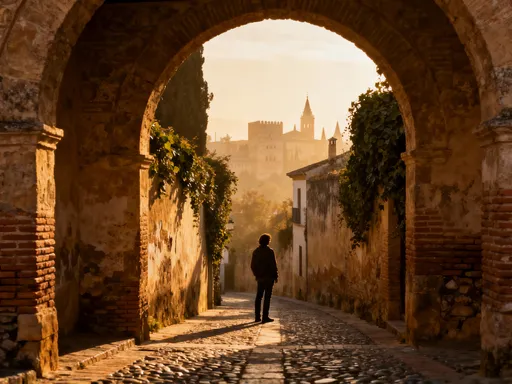
The Albaicín neighborhood, another UNESCO-listed site, is often crowded with tourists rushing to Mirador de San Nicolás for sunset photos. Yet just steps away from these popular spots lie quiet lanes where time seems to pause. Wandering through Callejón de las Monjas, a narrow passageway lined with whitewashed walls and climbing jasmine, one can hear the distant chime of church bells and the soft murmur of neighbors greeting each other. These alleys, built on the steep hillside overlooking the Alhambra, were once part of the medieval Muslim quarter and retain their historic layout and charm.
Plaza Larga, a long rectangular square tucked deep within Albaicín, offers a different kind of experience altogether. Unlike the polished plazas near tourist centers, this local hub bustles with everyday life—children playing, elders chatting on benches, and shopkeepers arranging fresh produce. Small family-run businesses line the square: a traditional bakery where the scent of anise cookies fills the air, a spice vendor selling saffron and paprika in hand-labeled jars, and a quiet bookstall with well-worn Spanish novels. Visiting in the early morning or late afternoon reveals the neighborhood at its most authentic, when the heat of the day has passed and residents reclaim their streets.
One of the most rewarding discoveries in Albaicín is finding a hidden tea house with a view. These unmarked spots, often located in converted homes or tucked behind iron gates, serve mint tea in delicate glasses while offering panoramic views of the Alhambra across the valley. Some are run by local women who welcome small groups for quiet afternoons of conversation and reflection. To find them, ask gently at neighborhood shops or follow the sound of soft music drifting from a courtyard. These spaces are not advertised online, preserving their intimacy and cultural significance. Sitting there, sipping tea as the sun dips behind the Nasrid palaces, one feels not like a tourist, but like a guest in a private moment of Granada’s soul.
Sacromonte’s Cave Culture: Where Gypsies, Music, and Legends Live
Perched on the hillside opposite Albaicín, the Sacromonte neighborhood is home to Granada’s Romani community and a unique tradition of cave dwellings carved into the soft rock. Unlike the reconstructed caves sometimes presented for tourists, many of these homes are still lived in, passed down through generations. The area has long been associated with flamenco, particularly *zambra*, a passionate, intimate style performed in small, dimly lit spaces. Attending a *zambra* show in a family-run cave is one of the most powerful cultural experiences in Spain—an evening of raw emotion, rhythmic footwork, and soulful singing that feels both ancient and immediate.
The history of Sacromonte is complex and deeply rooted. After the Reconquista, many Roma families settled in these hills, drawn by the availability of land and a degree of autonomy. Over time, they developed a distinct cultural identity, blending Andalusian, North African, and Romani influences. The caves themselves are naturally cool in summer and warm in winter, making them ideal homes in Granada’s variable climate. Today, visitors can tour some of the caves turned into small museums, such as the Cuevas del Sacromonte, which showcase traditional crafts, instruments, and daily life. But the true heart of the neighborhood lies in its private performances, where music is not a spectacle but a shared expression of identity.
For respectful and meaningful visits, it’s important to attend shows hosted by local families rather than commercial venues. These intimate gatherings often begin with a simple meal and end with spontaneous dancing. Photography should be discreet, and applause is more than polite—it’s a sign of respect. The community values authenticity, and visitors who approach with humility are often welcomed warmly. The path up to Sacromonte offers scenic views and a sense of journey, winding past wildflowers and olive trees. Reaching the top, one feels not just higher in elevation, but closer to the spirit of Granada’s most enduring traditions.
Realejo’s Literary Trails: Granada’s Jewish Quarter with a Bohemian Pulse
Once the heart of Granada’s Jewish community before the 15th-century expulsion, the Realejo district has transformed into a dynamic neighborhood where history and creativity intersect. Stone markers embedded in the pavement trace the boundaries of the old Jewish quarter, offering quiet moments of reflection. Today, Realejo is known for its independent bookshops, artisan coffee houses, and colorful street art that brings ancient walls to life. Walking through its streets feels like flipping through the pages of a living novel—one that blends medieval memory with modern expression.
Book lovers will find treasures in shops like Librería Argot, a cozy bookstore that hosts poetry readings and literary events. Nearby, small galleries display works by local artists, from abstract paintings to handcrafted ceramics. The neighborhood’s plazas—Plaza de San Bartolomé, Plaza del Cristo de la Misericordia—serve as gathering spots where residents sip coffee, play chess, or simply sit in the sun. Unlike the more tourist-heavy areas, Realejo maintains a relaxed, residential atmosphere, making it ideal for slow exploration.
The blend of past and present is especially evident in Realejo’s food scene. Traditional tapas bars sit beside vegan cafes and fusion restaurants, reflecting the neighborhood’s openness to new ideas. A stroll through Realejo can easily turn into an afternoon of discovery: a hidden courtyard garden, a mural depicting Granada’s multicultural history, or a small chapel with centuries-old tiles. The district’s gentle hills and tree-lined streets make walking pleasant at any time of day. For travelers seeking a deeper understanding of Granada’s identity, Realejo offers a thoughtful, reflective journey through layers of memory and renewal.
The Darro River Path: Nature and History Side by Side
Running from the heart of the city to the foothills of the Sierra Nevada, the Darro River creates a green corridor often missed by tourists who stick to main streets. The riverside path, shaded by willow and poplar trees, offers a peaceful escape from the bustle above. Starting near Puente de las Chirimías and following the water upstream, walkers pass remnants of old mills, stone bridges, and quiet gardens. The sound of flowing water, the rustle of leaves, and the occasional sight of kingfishers or dragonflies create a sense of calm rarely found in city centers.
Historically, the Darro powered Granada’s textile industry, and its banks were lined with *acequias*—irrigation channels that supported agriculture and daily life. Today, the river is quieter, but its presence remains vital. Along the path, interpretive signs explain the engineering of the old water system and the role of the river in shaping the city’s development. In spring, wildflowers bloom along the banks, and in summer, locals gather at shaded benches to read or rest. The path is well-maintained and accessible, making it suitable for all ages and fitness levels.
One of the most enchanting stretches lies beyond the Alhambra’s outer walls, where the river flows through a more natural landscape. Here, small pools form in the rock, and the sound of the city fades. It’s not uncommon to see families picnicking, children skipping stones, or artists sketching the scenery. This part of the walk feels like a secret, even though it’s only minutes from major attractions. The Darro River path is a reminder that nature and history are not separate from urban life but woven into its fabric. For travelers who value quiet moments and sensory experiences, this route offers a different kind of sightseeing—one that engages the heart as much as the eyes.
Hidden Eateries: Where Locals Dine Away from the Crowds
Granada is famous for its free tapas culture—order a drink, and a small plate of food appears at no extra cost. But while many tourists flock to bars near Plaza Nueva or Elvira Street, the most authentic experiences happen in quieter neighborhoods. In Realejo, Albaicín, and even residential corners of the city center, family-run bars serve tapas that reflect local tastes and seasonal ingredients. These are not mass-produced snacks, but thoughtful dishes made with care—perhaps fried aubergine with honey, grilled sardines with lemon, or chickpeas with chorizo.
One way to find these spots is to follow the locals. A bar with more older residents than camera-toting visitors is often a good sign. Another clue is a simple menu written on a chalkboard, changing daily based on what’s fresh. Markets like Mercado San Agustín offer another entry point to Granada’s food culture. Open since the 19th century, this covered market hosts butchers, fishmongers, and produce vendors, as well as small stalls serving hot meals. Sitting at a counter with a plate of grilled octopus and a glass of local wine feels like being let in on a well-kept secret.
Etiquette matters in Granada’s tapas scene. It’s common to stand at the bar, move from place to place, and try a bit at each stop. Ordering just one drink at a crowded bar isn’t ideal—locals often spend hours hopping between spots, enjoying the rhythm of social dining. A simple “gracias” when receiving tapas and a friendly smile go a long way. Some of the best meals happen by chance: a recommendation from a shopkeeper, a scent drifting from an open door, or a table full of laughing neighbors. These moments aren’t found in guidebooks, but they define the essence of Granada’s culinary heart.
Sunset at Mirador de San Nicolás… and the Viewpoints That Aren’t
No visit to Granada is complete without seeing the Alhambra at sunset, and Mirador de San Nicolás delivers one of the most iconic views in Spain. But the sheer number of visitors—often packed shoulder to shoulder with tripods and phones—can make the experience feel more like an event than a moment of connection. For those seeking a quieter alternative, several lesser-known viewpoints offer equally stunning vistas without the crowds. Jardines de Cármenes, a small garden tucked behind a quiet street in Albaicín, provides a serene setting with unobstructed views of the Alhambra’s towers glowing in the evening light.
Another option is walking along the outer walls of the Alhambra from the Generalife side, where narrow paths open to unexpected panoramas. These spots are often used by locals for quiet reflection or evening strolls. Timing is key—arriving 30 minutes before sunset allows time to settle in and absorb the atmosphere as the light shifts. The play of shadows across the palace, the deepening colors of the sky, and the soft hum of the city below create a deeply emotional experience.
For photography, a simple tip is to focus not just on the Alhambra, but on the surrounding context—the terracotta roofs of Albaicín, the silhouette of the Sierra Nevada, or the flicker of candlelight in a nearby window. These details tell a fuller story. The most memorable views are not always the most famous ones, but those discovered through patience and curiosity. Standing in silence as the city lights begin to twinkle, one feels a profound sense of belonging, as if Granada has shared a secret meant only for those who took the time to look beyond the obvious.
Conclusion: The Real Magic of Granada Is Off the Map
Granada’s true essence is not found in crowded viewpoints or souvenir shops, but in the quiet moments between landmarks—in a shared cup of tea, a spontaneous flamenco rhythm, a conversation with a shopkeeper, or a walk along a forgotten river path. The city’s layered history, from Moorish palaces to Romani caves, from Jewish quarters to literary cafes, invites exploration that goes beyond sightseeing. By embracing theme-based journeys—focused on music, food, nature, or history—travelers can form deeper connections with the places they visit.
The most meaningful travel experiences are not measured in photos taken, but in moments felt. Granada rewards those who wander with intention, who listen more than they speak, and who value authenticity over convenience. It is a city that reveals itself slowly, like the unfolding of a carefully written poem. To know Granada is not to see everything, but to feel something real in the spaces between.
So put down the map, step off the main streets, and let curiosity be your guide. Whether you’re tracing the footsteps of poets, tasting tapas in a hidden bar, or watching the sunset from a quiet garden, remember that the real magic of Granada lies not in the places you find, but in the way they find you. Discover it one hidden moment at a time.