You Won’t Believe What I Found Driving Through Berlin
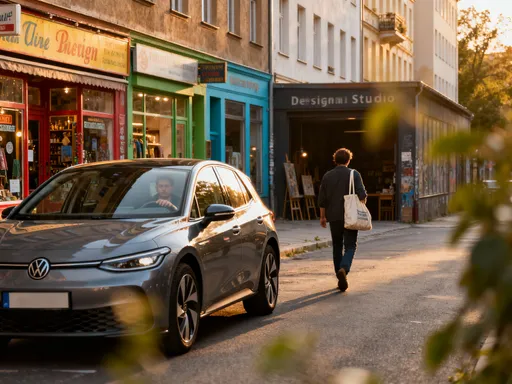
Driving through Berlin totally changed how I see city shopping. It’s not just about malls or markets—it’s the freedom to explore hidden boutiques, local design studios, and vibrant neighborhoods at your own pace. I never expected how seamless self-driving could make discovering authentic German style, from minimalist fashion to handmade crafts. This is shopping redefined—spontaneous, personal, and full of surprises around every corner.
Why Self-Driving Unlocks a Better Shopping Experience in Berlin
Travelers often assume that major European capitals are best navigated by foot or public transport, but Berlin challenges that notion. While the U-Bahn and S-Bahn are reliable, they can limit access to neighborhoods that lie just beyond the central zones or require multiple transfers. Self-driving removes these constraints, offering a fluid way to experience the city’s diverse retail landscape without rushing or re-planning routes. For shoppers, this means more time discovering and less time waiting.
Having a car allows for spontaneous detours—like pulling over after spotting a hand-painted sign for a ceramics studio in Prenzlauer Berg or circling back to a quiet street in Charlottenburg lined with family-run fabric shops. Public transit schedules don’t dictate your rhythm. Instead, you move with the pulse of the city, lingering where inspiration strikes. This flexibility is especially valuable when visiting areas like Neukölln, where creative energy thrives in converted warehouses and former industrial spaces not always highlighted on tourist maps.
Parking in Berlin is manageable with a bit of local knowledge. Most residential neighborhoods operate under the “blue zone” system, where short-term parking is allowed with a valid parking disc. These zones typically permit stays of up to two hours, ideal for browsing a cluster of shops or enjoying a coffee break. Major shopping districts and malls offer dedicated parking garages, often with flat-rate pricing for several hours. Navigation apps like Google Maps or HERE WeGo provide real-time updates on available spots, reducing stress and circling time.
Equally important is the ability to carry purchases comfortably. Unlike in cities where luggage and shopping bags must be hauled across subway platforms, Berlin’s car culture allows you to load items as you go. This makes it feasible to buy larger pieces—such as a vintage lamp from a design collective or a set of hand-thrown dinnerware—without worrying about transport logistics. The trunk becomes an extension of your shopping list, transforming practical concerns into opportunities for more meaningful acquisitions.
Emotionally, driving through Berlin fosters a sense of autonomy that deepens the travel experience. There’s a quiet thrill in deciding to extend a stop because the light hits a mural just right, or discovering a weekend pop-up market tucked behind a community garden. These unplanned moments often become the most memorable—proof that exploration, not efficiency, is the heart of authentic travel.
From High-End Malls to Underground Markets: Berlin’s Diverse Shopping Landscape
Berlin’s shopping culture thrives on contrast. It is a city where high fashion coexists with DIY ethics, and where curated luxury shares space with grassroots creativity. This duality makes it one of Europe’s most exciting retail destinations, especially for travelers seeking more than branded storefronts. Driving allows you to move fluidly between these worlds, experiencing both polished elegance and raw authenticity in a single day.
Begin on Kurfürstendamm in Charlottenburg, often referred to as Berlin’s answer to Paris’s Champs-Élysées. Here, international luxury brands like Louis Vuitton and Burberry stand alongside German heritage names such as Escada. The wide boulevard, lined with chestnut trees, offers a classic European shopping experience—elegant, orderly, and rich in history. Yet even within this refined setting, independent jewelers and niche perfumeries add local flavor, reminding visitors that Berlin’s style DNA resists total commercialization.
Just a short drive southeast lies Mitte, the historic heart of Berlin and a hub for contemporary design. Boutiques like A Kind of Guise and Manufactum showcase minimalist menswear and timeless household goods rooted in functionality and craftsmanship. These stores appeal to those who value longevity over trends, offering pieces that age gracefully. Concept spaces such as Bikini Berlin elevate the experience further, combining fashion, art, and dining under one roof. Its rooftop terrace overlooks the Berlin Zoo, creating a surreal blend of urban energy and natural calm—a metaphor for the city itself.
Then there’s the other side of Berlin’s shopping soul: the flea markets, artist collectives, and underground fashion pop-ups. Mauerpark Flea Market in Prenzlauer Berg is a weekend institution, drawing thousands with its mix of vintage clothing, vinyl records, handmade jewelry, and live karaoke. It’s chaotic, colorful, and full of character. Similarly, the Markthalle Neun food market in Kreuzberg transforms on Thursdays into Street Food Thursday, where local chefs test new concepts and artisans sell small-batch goods. These spaces celebrate imperfection, experimentation, and community—values deeply embedded in Berlin’s cultural fabric.
What ties these experiences together is accessibility through self-driving. Without a car, visiting both Kurfürstendamm and Mauerpark in one day would require multiple transit changes and significant walking. With a vehicle, the transitions are smooth. You can leave a luxury boutique at noon and arrive at a pop-up market by 1:30, still with energy to explore. This range—not just in products but in atmosphere and intention—defines Berlin’s retail appeal. It’s a city that honors both the meticulously designed and the passionately handmade.
The Hidden Gems Only Drivers Can Reach
Some of Berlin’s most rewarding shopping experiences lie just beyond the reach of subway lines. These are the places that don’t appear on standard tourist itineraries but are cherished by locals and in-the-know visitors. A car unlocks access to these hidden gems, turning a day of shopping into a true expedition of discovery.
Just a 25-minute drive from central Berlin, near Berlin Brandenburg Airport (BER), lie several designer outlet villages and industrial park retail clusters. While not as flashy as city-center boutiques, these locations offer significant savings on high-quality German and European brands. Stores specializing in outdoor gear, leather goods, and home textiles often stock last season’s collections at reduced prices, making them ideal for practical yet stylish purchases. Because these areas have limited public transport links, they remain uncrowded and relaxed—ideal for thoughtful browsing.
Further afield, on the city’s western and northern edges, small craft villages and artisan workshops welcome visitors by appointment or during weekend open-house events. In places like Wandlitz or Oranienburg, woodworkers, glassblowers, and textile artists open their studios to the public. These visits are more than shopping—they’re immersive experiences. You might watch a potter shape a vase on a wheel, then purchase a piece still warm from the kiln. Such items carry stories, making them far more meaningful than mass-produced souvenirs.
Seasonal artisan fairs in suburban parks are another driver-exclusive opportunity. Held in green spaces like Grunewald or Köpenick, these weekend events feature local makers selling everything from beeswax candles to hand-knit wool scarves. Parking is often free or low-cost, and the surrounding nature enhances the experience—imagine buying a linen tablecloth while listening to birdsong in a pine forest. These fairs reflect Berlin’s deep appreciation for sustainability, slow living, and regional craftsmanship.
What makes these destinations special is their authenticity. Because they’re not designed for mass tourism, the interactions feel genuine. Artisans are often present to explain their process, and prices reflect fair labor rather than inflated souvenir markups. For the thoughtful traveler, these purchases become lasting connections to the places and people behind them. And with a car, transporting delicate or bulky items—like a hand-carved wooden bowl or a set of ceramic tiles—is no longer a challenge.
How to Plan Your Route for Maximum Shopping Efficiency
To make the most of self-driven shopping in Berlin, a little planning goes a long way. The city is expansive, and while driving offers freedom, a strategic route ensures you maximize discovery without wasting time on backtracking or traffic. Grouping neighborhoods by geographic proximity allows for a smooth, logical flow throughout the day.
Start in the west: Charlottenburg offers a refined beginning with its grand boulevards and upscale boutiques. Arrive early—around 10 a.m.—to avoid weekend crowds and secure convenient parking. Spend a couple of hours exploring Kurfürstendamm and the quieter side streets where independent bookshops and vintage furniture stores hide in plain sight. By noon, head east toward Mitte, a 20-minute drive that takes you from imperial elegance to contemporary cool.
Arrive in Mitte by midday, when concept stores and galleries are fully open. Bikini Berlin, located near Breitscheidplatz, is worth a dedicated stop. Its multi-level layout features rotating pop-ups, sustainable fashion labels, and a rooftop café with panoramic views. After browsing, drive south to Schöneberg, a 15-minute journey through leafy residential avenues. This neighborhood exudes charm, with independent fashion boutiques, organic bakeries, and quiet plazas perfect for a midday break.
In the afternoon, continue southeast to Neukölln, a hotspot for alternative culture and vintage shopping. Areas around Weserstraße and Sonnenallee are lined with thrift stores, record shops, and designer resale outlets. Parking can be competitive, so use the Parkopedia app to locate garages or designated zones. Plan to finish here by early evening, when the neighborhood’s cafes and wine bars begin to fill with locals.
Throughout the day, leverage digital tools. Google Maps’ timeline feature helps estimate travel times based on current traffic, while apps like ParkNow or EasyPark simplify payment in regulated zones. When loading or unloading purchases, use designated short-term stops—often marked with white zigzag lines—to avoid fines. And don’t underestimate the value of coffee breaks: Berlin’s specialty roasteries, like The Barn or Five Elephant, offer excellent brews and a chance to rest while staying immersed in the city’s creative vibe.
Finally, be mindful of market hours. Flea markets like Mauerpark are weekend-only, typically open from 9 a.m. to 6 p.m. Indoor markets such as Markthalle Neun have specific event days—Street Food Thursday, for example, runs only from 5 to 10 p.m. Planning around these schedules ensures you don’t miss out on unique experiences.
What to Buy: Authentic Berlin Products Worth the Space in Your Trunk
In a city overflowing with creative energy, the best souvenirs aren’t found in airport gift shops. Berlin rewards those who seek out authentic, locally made goods—items that reflect the city’s ethos of sustainability, craftsmanship, and individuality. With the storage space a car provides, you can bring home more than trinkets; you can carry pieces of Berlin’s spirit.
One standout is Apfelwein liqueur, a regional specialty produced in small batches outside the city. Unlike mass-market fruit spirits, these artisanal versions use hand-pressed apples and natural fermentation, resulting in a complex, aromatic drink perfect for gifting or savoring at home. Look for bottles labeled “handcrafted” or “from Brandenburg orchards” at specialty liquor stores or farmers’ markets.
Fashion lovers will appreciate pieces from local brands like 1207 Berlin, which blends streetwear aesthetics with high-quality tailoring. Their limited-run jackets, hoodies, and accessories often feature subtle nods to Berlin’s architecture and subcultures. Because many of these brands operate through small studios or pop-up shops, finding them feels like uncovering a secret—one made even more satisfying when you can fit several pieces in the trunk.
Home goods are another category where Berlin shines. Family-run shops in Prenzlauer Berg and Kreuzberg sell linen aprons, hand-thrown ceramics, and beeswax food wraps—practical items rooted in sustainable living. These are not just purchases; they’re invitations to adopt a slower, more intentional way of life. The ability to buy in bulk—such as a full set of dinnerware or multiple textiles—without lugging them on public transit makes self-driving invaluable.
For those drawn to art and design, limited-edition prints from independent galleries or screen-printed posters from street artists offer a wearable form of cultural memory. Many artists sell directly from studios or weekend fairs, often signing their work upon purchase. These pieces not only decorate a home but also preserve the story of where and how they were acquired.
Ultimately, the goal is to collect meaning, not clutter. Berlin’s best souvenirs are those that reflect personal taste and genuine connection. And with a car, the only limit is your discernment—not your carrying capacity.
Balancing Exploration and Practicality: Parking, Timing, and Local Etiquette
While self-driving enhances freedom, it also comes with responsibilities. Berliners value order, sustainability, and mutual respect—principles that extend to how vehicles are used in urban spaces. Understanding local parking rules and driving etiquette ensures a smooth, stress-free experience while showing respect for residents.
The blue zone system is central to street parking in residential areas. Within these zones, drivers must display a parking disc indicating their arrival time. Stays are typically limited to two hours, with clear signage marking boundaries. Overstaying results in fines, so it’s wise to set a phone reminder or use a digital parking app that tracks time automatically. In commercial districts and near major attractions, paid parking garages are more common and often safer for longer stays.
When loading or unloading purchases, never double-park. Berlin has a strong cycling culture, and blocking bike lanes is not only illegal but also dangerous. Instead, use designated loading zones—usually marked with white zigzag lines—or pull into a nearby garage for a few minutes. Many shopping areas have short-term drop-off points ideal for this purpose.
Timing matters. Weekday mornings are generally the best for parking availability and lighter traffic. Saturdays draw larger crowds, especially in popular districts like Mitte and Neukölln. Sundays are quieter, but many shops are closed, so plan accordingly. Avoid driving during rush hours (7–9 a.m. and 5–7 p.m.) to minimize stress and fuel consumption.
Finally, observe local customs. Berliners appreciate drivers who are aware, courteous, and eco-conscious. If you’re staying for an extended period, consider combining shopping trips with visits to parks or cultural sites to make the most of your rental. And whenever possible, support businesses that prioritize sustainability—whether it’s a zero-waste shop in Friedrichshain or a café using compostable packaging.
Why This Experience Changes How You Travel Forever
Driving through Berlin reshapes the very idea of city shopping. It transforms what could be a checklist of stores into a dynamic, personal journey—one that unfolds at your pace, guided by curiosity rather than schedules. The ability to move freely across neighborhoods, discover hidden workshops, and carry meaningful purchases without compromise redefines what’s possible in an urban break.
More than convenience, self-driving fosters connection. It brings you closer to local life, allowing you to see how Berliners live, create, and express themselves through design and craft. You’re not just observing culture—you’re participating in it, one thoughtful purchase at a time. This engagement supports small businesses and independent makers, contributing to the city’s creative economy in a tangible way.
And perhaps most importantly, it shifts your mindset. Travel becomes less about ticking off landmarks and more about curating experiences. The trunk of your car fills not just with goods, but with stories—the potter in Oranienburg who explained his glazing technique, the vintage jacket found in a Neukölln basement shop, the bottle of Apfelwein bought from a farmer at a weekend market. These moments linger long after the trip ends.
For women between 30 and 55—many of whom balance family, work, and personal interests—this kind of travel offers rare freedom. It’s self-directed, enriching, and deeply satisfying. It proves that city breaks can be both practical and poetic, structured and spontaneous. Berlin, with its blend of history, creativity, and openness, is the perfect place to rediscover what travel can be.
So the next time you plan a European getaway, consider arriving with a rental car key in hand. Let the open road—even within a city—lead you to unexpected finds, authentic connections, and a renewed sense of wonder. Because sometimes, the best souvenirs aren’t what you buy. They’re what you discover along the way.