You Gotta See What I Found in Atlanta — This City’s Got Soul
I just checked in to Atlanta, and wow — this city surprised me. From vibrant street art to soulful food scenes, every corner tells a story. I came for the vibe, but stayed for the experiences: think music history, lush parks, and flavors that hit different. Atlanta isn’t just a stopover — it’s a destination with rhythm, culture, and heart. Let me take you through the real moments that made my trip unforgettable.
First Impressions: Landing in Atlanta
Touching down at Hartsfield-Jackson Atlanta International Airport is like stepping into the pulse of a city that never sleeps. As the world’s busiest airport, it operates with a quiet efficiency that puts travelers at ease. The moment you clear security and step onto the Plane Train, there’s a sense of motion — not just physical, but emotional. You’re not just arriving; you’re entering a place where movement, connection, and energy define daily life. The airport itself is a microcosm of Atlanta’s diversity, with travelers from every corner of the globe, local vendors serving peach cobbler and sweet tea, and announcements delivered in calm, welcoming voices.
Boarding the MARTA rail for the ride into downtown offers one of the best first glimpses of the city. The skyline rises gradually — a blend of glass towers and historic brick buildings, framed by the ever-present green of surrounding trees. Unlike many major cities that feel dense and overwhelming, Atlanta unfolds with breathing room. The skyline isn’t oppressive; it’s balanced by open spaces, parks, and neighborhoods that feel lived-in and authentic. As the train moves through neighborhoods like East Point and Garnett, you begin to notice the rhythm — people walking dogs, kids laughing outside community centers, and murals that hint at the city’s artistic heartbeat.
Checking into a mid-century boutique hotel in Midtown, I was greeted with a glass of iced tea and a genuine “Welcome to Atlanta” from the front desk. That warmth — the Southern hospitality often talked about but rarely experienced in full — is real here. It’s not performative; it’s woven into the way people speak, move, and interact. A cab driver later shared his favorite local BBQ spot without being asked. A barista in a coffee shop recommended a hidden jazz lounge. These small moments aren’t tourist traps — they’re reflections of a city that values connection. Atlanta doesn’t just host visitors; it invites them in.
Downtown Pulse: Where Culture Meets Action
At the heart of downtown, Centennial Olympic Park serves as both a landmark and a living space. Built for the 1996 Summer Olympics, it has evolved into a true public square — a place where families picnic, tourists snap photos, and street performers command attention. On a sunny afternoon, the fountain comes alive with children splashing in the mist, while couples lounge on benches shaded by willow oaks. The park isn’t just decorative; it’s functional, symbolic, and deeply integrated into the city’s identity. Its open layout encourages gathering, movement, and pause — a rare balance in urban design.
Just steps away, the Georgia Aquarium stands as one of the largest in the world, home to thousands of animals and a mesmerizing ocean tunnel that feels like walking through the deep sea. What makes it special isn’t just scale — it’s accessibility. Families, seniors, and solo travelers all move through its exhibits with equal wonder. The whale sharks, the sea otters, the coral reefs — each display is crafted to educate and inspire. Nearby, the World of Coca-Cola offers a different kind of immersion. This isn’t just a museum about a soft drink; it’s a journey through global culture, marketing history, and taste. Sampling over 100 beverages from around the world in the Taste It! section is a joyful, sensory-rich experience that even skeptics find delightful.
Bridging these two attractions is Pemberton Place, named after John Pemberton, the pharmacist who created Coca-Cola. The area functions as a cultural corridor, where history, flavor, and innovation intersect. It’s here that you begin to see how Atlanta turns legacy into living experience. The CNN Studio Tour, located just a block away, adds another layer. Walking through the newsroom, seeing anchors prepare for broadcast, and sitting behind a real anchor desk gives visitors a rare look at how stories are made. It’s not flashy — it’s informative, respectful of the craft, and quietly inspiring. For anyone who’s ever wondered how the news comes together, this tour makes the invisible visible.
Art & Expression: Murals, Music, and Hidden Studios
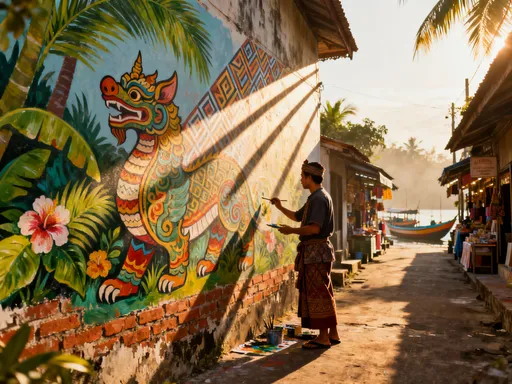
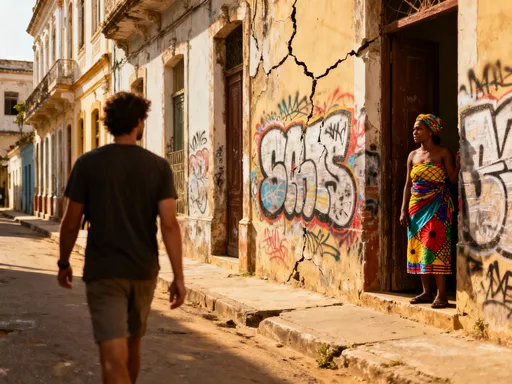
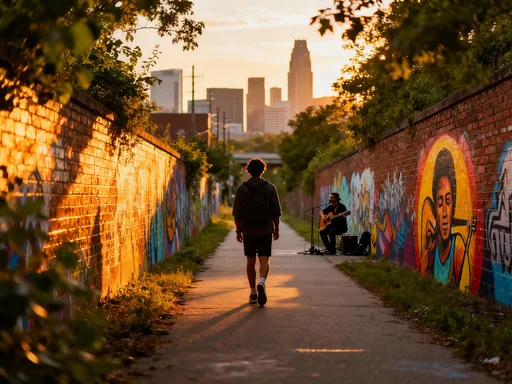
Atlanta’s creative spirit is impossible to miss — it’s painted on walls, echoing in backroom clubs, and alive in community studios. In neighborhoods like Old Fourth Ward and Reynoldstown, street art isn’t decoration; it’s dialogue. Murals depict civil rights icons, local heroes, and abstract expressions of joy and resistance. One particularly striking piece in the Krog Street Tunnel shows two hands reaching toward each other across a crack in the wall — a powerful metaphor for unity and healing. These works aren’t commissioned by corporations; many emerge from grassroots efforts, local artists, and neighborhood pride.
A visit to Studio Bee, a graffiti arts hub founded by artist Greg Mike, offers insight into the city’s underground art scene. Housed in a converted warehouse, it’s part gallery, part workshop, part sanctuary for creators. Bright colors explode across canvases, and spray cans hiss in the background as artists experiment with form and message. What stands out is the sense of community — artists mentor teens, collaborate across styles, and open their doors to the public. This isn’t art for the elite; it’s art for the people, by the people.
Music, too, pulses through Atlanta’s veins. While the city is often associated with hip-hop — and rightly so — its sonic landscape is far broader. The Masquerade, a historic music venue tucked beneath a railroad viaduct, has hosted legends from R.E.M. to Outkast. Today, it remains a launchpad for emerging artists across genres. On the night I visited, a soul-jazz ensemble filled the air with warm horns and smooth vocals, drawing a crowd of all ages. The energy was electric but never overwhelming — intimate, even. Atlanta doesn’t just produce music; it nurtures it, protects it, and lets it evolve.
Green Escape: Parks That Breathe Life
In a city known for its pace, green spaces are not luxuries — they’re necessities. The Atlanta BeltLine is perhaps the most ambitious urban renewal project in recent American history. What began as a vision to repurpose old railway corridors has become a 22-mile network of trails, parks, and art installations connecting 45 neighborhoods. Walking or biking a section of the Eastside Trail feels like moving through a living postcard — wildflowers bloom in spring, autumn leaves blaze in October, and public art changes with the seasons.
But the BeltLine is more than scenic. It’s a social equalizer. You’ll see joggers in designer gear, families on tandem bikes, seniors walking dogs, and street vendors selling cold drinks — all sharing the same path. Public fitness zones, dog parks, and community gardens are integrated naturally, making wellness accessible to all. The沿线 (along the line) development has sparked new restaurants, galleries, and affordable housing initiatives, proving that thoughtful urban planning can uplift entire communities.
Piedmont Park, spanning 189 acres in Midtown, is another cornerstone of Atlanta’s green identity. On any given weekend, it’s alive with activity — yoga classes on the Great Lawn, paddle boats gliding across Lake Clara Meer, and food trucks lining the pathways. The Atlanta Dogwood Festival, held here each spring, draws thousands with art, music, and blooming trees. But even on a quiet Tuesday morning, the park offers peace. Benches under oak trees, winding trails through wooded areas, and open fields for kite flying make it a true sanctuary.
The Atlanta Botanical Garden, adjacent to Piedmont Park, elevates the experience further. Its Japanese Garden, with koi ponds, stone lanterns, and cherry blossoms, feels like a quiet corner of Kyoto. The Canopy Walk, suspended 40 feet above the ground, offers a treetop view of the forest — a perspective that shifts how you see the city. These green spaces aren’t afterthoughts; they’re central to Atlanta’s soul. They remind residents and visitors alike that nature and urban life can coexist — beautifully.
Flavor Journey: From BBQ to Global Bites
To taste Atlanta is to understand its history, resilience, and transformation. Southern cuisine is the foundation — rich, slow-cooked, and deeply comforting. A meal at a family-run BBQ joint in the West End delivers smoky brisket, tender ribs, and sides like collard greens simmered with smoked turkey. The sauce — tangy, slightly sweet, with a hint of heat — tells a story of regional pride. Peach cobbler, warm and bubbling, served with a scoop of vanilla ice cream, feels like dessert as heritage.
The Sweet Auburn Curb Market, one of the oldest public markets in the city, is a living archive of Atlanta’s food culture. Opened in 1924, it survived segregation, urban decline, and redevelopment to become a vibrant hub. Inside, vendors sell everything from fried green tomatoes to handmade empanadas. One stall offers “soul food to go” — meatloaf, mac and cheese, candied yams — prepared by a woman whose family has cooked in Atlanta for generations. Another sells artisanal honey from local beekeepers. The market isn’t frozen in time; it’s evolving, embracing new flavors while honoring the past.
And those new flavors are impossible to ignore. Atlanta’s immigrant communities have transformed its culinary landscape. In the neighborhood of Buford Highway — often called the city’s most diverse corridor — you can eat Ethiopian injera in one stop, Vietnamese pho in the next, and Georgian khachapuri just down the block. A short drive to Duluth reveals one of the largest Korean communities in the Southeast, where bustling restaurants serve kimchi jjigae, bibimbap, and fresh banchan. These aren’t niche experiences; they’re mainstream, celebrated, and deeply woven into the city’s identity. Atlanta doesn’t just tolerate diversity — it feasts on it.
History with Heart: Civil Rights Legacy Explored
No visit to Atlanta is complete without confronting its central role in the American civil rights movement. The National Center for Civil and Human Rights is not a traditional museum — it’s an emotional journey. The “Rolls Down Like Water” exhibit traces the movement from the 1950s to today, using original documents, photographs, and interactive displays. One moment stands out: a lunch counter simulation where visitors sit and feel vibrations as audio recordings of insults and threats play — a visceral reminder of the courage required to demand equality.
Nearby, the Martin Luther King Jr. National Historical Park offers a more personal connection. Walking through Dr. King’s childhood home on Auburn Avenue, you see the modest rooms where a global leader was shaped. The Ebenezer Baptist Church, where he preached alongside his father, still holds services — the pulpit unchanged. Standing at his tomb, beside Coretta Scott King, with the eternal flame burning nearby, brings a quiet reverence. These sites don’t glorify; they educate, honor, and inspire.
What’s powerful is how Atlanta presents this history — not as something distant, but as a living legacy. School groups tour the sites with intense focus. Visitors leave notes at the Reflecting Pool. Community events, like the annual King Holiday Observance, keep the message alive. The city doesn’t shy away from pain; it transforms it into purpose. In a time when social justice remains urgent, Atlanta offers a blueprint — not of perfection, but of progress.
Local Living: Neighborhood Vibes Beyond Tourist Zones
To see Atlanta at its most authentic, step beyond the postcard spots. Inman Park, one of the city’s oldest streetcar suburbs, exudes charm — Victorian homes with wraparound porches, tree-lined sidewalks, and a farmers’ market every Sunday. Locals gather at the park’s gazebo for live music, while kids chase bubbles in the grass. A coffee shop on Euclid Avenue buzzes with laptop workers and friends catching up — the kind of place where the barista knows your order after two visits.
West Midtown, once an industrial zone, has transformed into a hub of creativity and lifestyle. Repurposed warehouses now house design studios, craft breweries, and boutique fitness classes. A stroll down Howell Mill Road reveals a mix of old and new — a decades-old diner next to a sleek vegan café, a mural of a phoenix rising from flames above a tech startup. This isn’t gentrification without soul; it’s evolution with intention. Community input, green spaces, and support for small businesses keep the area grounded.
Evenings here feel special. A jazz trio plays at a tucked-away lounge, the notes floating into the night air. A pop-up dinner in a backyard garden brings strangers together over shared plates. These aren’t staged experiences — they’re organic, unscripted moments of connection. This is where Atlanta feels most alive: not in the spotlight, but in the quiet hum of daily life. It’s a city that works hard, plays thoughtfully, and values belonging.
Atlanta isn’t just checked off a list — it’s felt. Its blend of nature, culture, and history creates a travel experience that lingers. Whether you're chasing flavor, rhythm, or reflection, this city delivers with authenticity. Come with curiosity, and leave with soul.