You Won’t Believe What I Discovered in Copenhagen
Copenhagen isn’t just clean streets and pretty bikes—it’s alive with culture you can feel in your bones. I went looking for sights but found something deeper: real moments, local rhythms, and traditions that pull you in. From candlelit winter rituals to open-air art that speaks without words, this city doesn’t perform—it lives. If you want more than a photo op, if you crave connection over checklist tourism, then Copenhagen’s quiet magic is waiting. This is not a city that shouts; it whispers, invites, and slowly reveals itself to those who take the time to listen. And what I discovered changed the way I think about travel forever.
The Soul of a City: Why Culture Matters More Than Landmarks
Copenhagen stands apart not because of grand monuments or ancient ruins, but because of how its people live. Unlike many European capitals where tourism has reshaped entire districts into polished but hollow experiences, Copenhagen remains grounded in its daily life. The city’s cultural richness isn’t confined to museums or performances—it’s embedded in routines, architecture, and even silence. What makes this different from typical tourist trails is authenticity. You won’t find actors in period costumes reenacting history in the streets. Instead, you’ll see parents biking with children in wooden cargo bikes, elders reading newspapers in sunlit parks, and neighbors exchanging quiet nods at corner shops. These are not staged moments—they are the fabric of Danish life.
At the heart of this cultural texture is hygge, a concept often simplified as coziness but which runs much deeper. It’s about creating warmth, safety, and presence in everyday settings. It’s lighting candles on a gray afternoon, sharing a meal without distractions, or simply sitting together in comfortable silence. In Copenhagen, hygge isn’t a trend—it’s a way of being. This philosophy shapes how spaces are designed, how people interact, and how visitors are welcomed. When travelers slow down and tune into these rhythms, they begin to experience the city not as spectators, but as temporary participants. Immersive travel, then, isn’t about seeing more—it’s about noticing more. It’s about shifting from a checklist mindset to one of curiosity and openness.
The difference between ticking off attractions and truly connecting lies in intention. A tourist might visit Nyhavn for the colorful buildings and photos. A traveler seeking culture will return at dusk, when the lights reflect on the water and locals gather in small groups with glasses of wine. They’ll notice how conversations flow softly, how people seem present rather than distracted. That shift—from visual consumption to emotional resonance—is what transforms a trip into a meaningful experience. Copenhagen rewards those who stay long enough to feel its pulse, who choose depth over speed, and who understand that the soul of a place lives not in its postcards, but in its people.
Morning Rituals: Starting the Day Like a Local
In Copenhagen, mornings unfold with intention. There’s no rush, no frantic energy. Instead, there’s a deliberate slowness, a respect for the beginning of the day that feels almost sacred. Danes often start with coffee—black, strong, served in simple ceramic mugs—and a slice of dense, dark rye bread topped with pickled herring, cheese, or smoked salmon. This isn’t just breakfast; it’s a ritual of grounding. The act of sitting down, even for ten minutes, with a warm drink and good bread, sets a tone of mindfulness that carries through the day. For visitors, adopting this rhythm—even briefly—can be a powerful way to sync with the city’s tempo.
One of the most revealing experiences I had was visiting a neighborhood bakery in Nørrebro, a diverse and vibrant district known for its independent shops and multicultural energy. At a small, family-run bakery tucked between a florist and a secondhand bookshop, I watched as regulars greeted the staff by name. The air was rich with the scent of sourdough and caraway seeds. I ordered a loaf of rugbrød, the traditional Danish rye bread, and a cup of coffee. As I waited, an older woman next to me smiled and said, “Good choice. That’s what my mother used to make.” In that moment, food became memory, connection, and continuity. These small exchanges, unscripted and genuine, are the quiet magic of local life.
There’s also an unspoken etiquette in Copenhagen’s public spaces that reflects a deep cultural value: respect for shared environments. People don’t shout on public transit. They step aside on bike lanes. They say “undskyld” (excuse me) even for minor bumps. Morning greetings are subtle—often just a nod or eye contact—but they acknowledge the presence of others. This isn’t coldness; it’s a form of quiet courtesy. For travelers, observing and mirroring these small behaviors can open doors to deeper connection. When you move through a city with awareness and respect, you become part of its rhythm rather than an interruption to it. Starting the day like a local isn’t about perfection—it’s about presence, simplicity, and the courage to move slowly in a world that often demands speed.
Design as a Way of Life: From Museums to Metro Rides
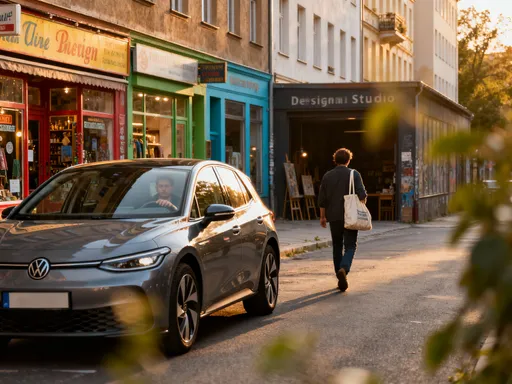
In Copenhagen, design is not a luxury—it’s a necessity. It’s not reserved for galleries or high-end boutiques; it’s in the bus stop, the park bench, the children’s playground. This understanding becomes clear when visiting the Designmuseum Danmark, a beautifully preserved building that houses centuries of Danish and international design. Inside, you’ll find iconic mid-century furniture by Arne Jacobsen and Hans Wegner, yes—but also everyday objects: kitchenware, textiles, lighting. What ties them together is a commitment to functionality, beauty, and human need. Form follows purpose, but never at the expense of feeling. This is design that serves, not impresses.
But the real lesson isn’t found behind glass cases. It’s outside, in the city itself. Take the metro, for example. Clean, efficient, and punctual, it’s also thoughtfully designed. Stations are bright and safe, with clear signage in Danish and English. Seating is ergonomic. Lighting is soft but effective. Even the sound of the doors closing is gentle, not jarring. These details aren’t accidents—they’re the result of a culture that values user experience in every public service. The same principle applies to street furniture. Benches are placed where people naturally pause, often facing the sun or a view. Bike racks are abundant and practical. Lighting is warm and human-scaled, never harsh or excessive.
What makes Danish design truly remarkable is that it’s inclusive. It considers children, the elderly, people with disabilities. Playgrounds are not afterthoughts; they’re creative, nature-integrated spaces that encourage exploration. Public restrooms are clean and accessible. Even trash bins are well-designed and strategically located, reflecting a belief that dignity belongs in every part of life. This isn’t about aesthetics alone—it’s about care. When a city designs with empathy, it sends a message: you matter. For travelers, noticing these details changes how they see the city. They begin to understand that Copenhagen’s beauty isn’t just visual—it’s ethical. It’s a place where thoughtfulness is built into the bricks and mortar, where every choice, from a doorknob to a bridge railing, reflects a quiet commitment to human well-being.
Art That Breathes: Experiencing Culture Beyond Galleries
Copenhagen’s artistic spirit doesn’t stay indoors. While museums like the Louisiana and SMK offer world-class collections, some of the most powerful art in the city lives in the open air. It’s on walls, in parks, along the harbor. In the district of Christiania, known for its alternative community and colorful murals, art pulses with raw energy. Though parts of Christiania have restricted access, the public areas are filled with vibrant, ever-changing street art that reflects social commentary, freedom, and creativity. These are not commissioned pieces—they emerge organically, often painted over and renewed, embodying a living, breathing culture.
Along the harbor, especially in the Nordhavn and Refshaleøen areas, you’ll find installations that blend nature, memory, and imagination. One sculpture, made of weathered wood and rope, stands like a ship’s prow pointing toward the sea—a quiet tribute to Copenhagen’s maritime roots. Another, a series of mirrored panels set into a seawall, reflects the sky and water in shifting patterns, inviting passersby to pause and see the world differently. These works don’t demand attention; they invite contemplation. Locals don’t treat them as tourist stops. They walk past, sometimes stopping, sometimes not. But when they do engage, it’s with a sense of ownership and familiarity. Art here isn’t something to be consumed—it’s part of the landscape, part of daily life.
What’s striking is how Copenhagen residents interact with public art—not as distant observers, but as participants. Children climb on sculptures. Couples take photos not for social media, but for memory. Artists leave notes or add small elements to existing works. This dynamic relationship between people and art reflects a broader cultural value: creativity as a shared right, not a privilege. It’s okay to touch, to respond, to add your voice. For travelers, this openness is a gift. It means you don’t need a ticket or a guidebook to experience culture. You just need to walk, look, and allow yourself to be moved. In a city where art breathes, every corner holds the possibility of surprise, connection, and meaning.
Seasonal Traditions: Dancing with the Light (and Dark)
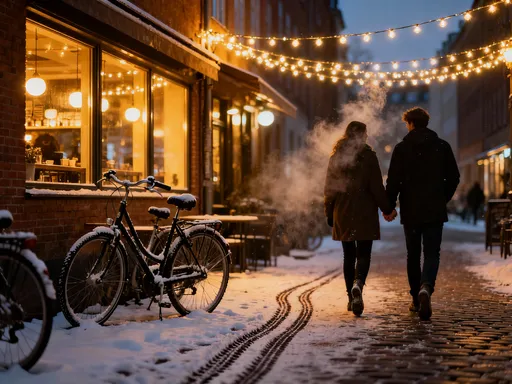
Copenhagen’s relationship with light defines its soul. With winter days barely lasting seven hours, darkness could feel oppressive. But instead of resisting it, the city embraces it—with candles, festivals, and communal warmth. The Danish word lys, meaning light, carries emotional weight. It’s not just illumination; it’s hope, comfort, resilience. Nowhere is this more visible than during jul, the Danish Christmas season. From late November onward, the city glows with thousands of lights. Markets appear in squares and gardens, selling handmade ornaments, mulled wine, and roasted nuts. The air smells of cinnamon and pine. But more than the decorations, it’s the mood that captivates—a collective decision to find beauty in the dark.
One of the most moving experiences I had was attending the Tivoli Gardens’ Christmas market. While Tivoli is a popular tourist destination, during jul, it transforms into something deeper. Families stroll hand in hand. Children press their faces to bakery windows. Elderly couples sit by fire pits, wrapped in blankets. The music is soft—harp, choir, folk tunes. There’s no rush, no commercial frenzy. It feels sacred. Another highlight is the Lucia procession, held in churches and community centers, where a woman dressed in white with a crown of candles sings ancient songs of light returning. Though rooted in Christian tradition, it’s widely celebrated as a cultural event, a poetic reminder that darkness is temporary.
But the celebration of light isn’t limited to winter. In summer, when daylight stretches past 10 p.m., Copenhagers spill into parks, gardens, and rooftops. Picnics, open-air concerts, and spontaneous gatherings fill the long evenings. The city breathes differently—slower, fuller. This rhythm of dancing with the seasons, of honoring both light and dark, teaches a quiet wisdom. It’s a rejection of constant productivity, a return to natural cycles. For travelers, experiencing this balance can be deeply restorative. It offers a model of living in harmony with time, with nature, with community. In Copenhagen, light isn’t just seen—it’s felt, shared, and cherished as a collective gift.
Table Talk: Meals That Tell Stories
In Copenhagen, meals are not just about nourishment—they’re about connection. One of the most memorable moments of my visit was sharing a homemade smørrebrød lunch with a local family in Vesterbro. The table was set simply: wooden boards, linen napkins, glasses of water and beer. The open-faced sandwiches were works of art—rye bread topped with pickled red onions, fresh dill, perfectly sliced beef, and a dollop of remoulade. As we ate, the mother explained how her grandmother taught her to layer flavors with care, to use every part of the ingredient, to never waste. “Food is a language,” she said. “It tells you who we are.”
What struck me most was the pace. We ate slowly. We talked between bites. No phones, no distractions. This wasn’t a performance—it was ordinary. Yet in its simplicity, it felt profound. The Danish approach to dining emphasizes seasonality, minimal waste, and quality over quantity. Markets like Torvehallerne are filled with local produce, artisanal cheeses, and sustainably caught fish. Even in restaurants, portion sizes are modest, presentation is clean, and service is calm. There’s no pressure to order more, to impress, to consume. Instead, there’s a quiet respect for the meal as a shared event.
For travelers, sharing a meal in a private home is one of the most intimate ways to experience culture. It bypasses the surface and enters the heart. You learn about family history, values, humor. You taste traditions passed down through generations. And you feel, even briefly, like you belong. In a world where travel can sometimes feel transactional—tickets, tours, tips—this kind of connection is rare and precious. It reminds us that food is more than fuel. It’s memory, identity, and care. In Copenhagen, every bite can be a story, and every table can be a bridge.
Beyond the Guidebook: Choosing Authenticity Over Convenience
The most transformative moments in Copenhagen happened when I stepped off the beaten path. Not because the main attractions aren’t worth seeing—they are—but because the city’s true character reveals itself in quieter places. One afternoon, I visited a local library in Østerbro. At first, it seemed like any other public library. But as I browsed, I noticed displays of community art, books in dozens of languages, and a corner where seniors played chess. I struck up a conversation with a librarian, who recommended a neighborhood concert that evening. I went. It was held in a small church hall, with a folk band and homemade pastries. No tourists. Just locals. And I felt, for a moment, like I was exactly where I was meant to be.
Authenticity in travel often comes from saying no. No to the crowded observation deck. No to the overpriced souvenir shop. No to the guided tour that rushes through three sites in an hour. Instead, say yes to the park bench, the neighborhood market, the free walking tour led by a volunteer. These choices require patience and curiosity, but they yield richer rewards. Joining a community event, attending a local workshop, or simply sitting in a café and observing can open doors that money can’t buy. The best memories I brought home weren’t from famous landmarks, but from unplanned conversations, shared silences, and moments of quiet wonder.
Respecting local spaces is equally important. Copenhageners value their privacy and peace. Taking photos of people without permission, loud behavior in residential areas, or treating neighborhoods like photo studios can disrupt the harmony. Instead, move with humility and awareness. Ask before photographing. Speak softly. Follow local customs. When travelers honor the city’s rhythm, they are more likely to be welcomed in return. The goal isn’t to blend in perfectly—but to show up with respect, openness, and a willingness to learn. In doing so, we don’t just see a culture. We join it, however briefly.
Copenhagen taught me that culture isn’t something you see—it’s something you join. The real beauty lies not in perfection, but in presence. By choosing connection over consumption, travelers can leave with more than souvenirs: they gain perspective. And maybe, just maybe, a little more humanity.